 Ferndale Siding
 Exterior Work Built for Custer's Coastal Climate
Custer sits in the northwest corner of Whatcom County, close enough to the Strait of Georgia and Semiahmoo Bay that salt-laden air is a routine part of the weather here, not an occasional visitor. Add in the long, wet Pacific Northwest winters and the shoulder seasons where damp air just sits against a house for weeks at a time, and you have a climate that is genuinely tough on exterior building materials. Homeowners in Custer are not dealing with the same conditions as someone forty miles inland, and the siding, roofing, and trim on a home here should be chosen with that in mind.
We serve Custer as part of our regular Whatcom County service area, working out of nearby Ferndale. That matters more than it might seem — a crew that drives this stretch of Whatcom County every week knows how the exposure changes house to house, which sides of a home take the worst of the weather, and what actually holds up out here versus what looks good on a sample board in a showroom.
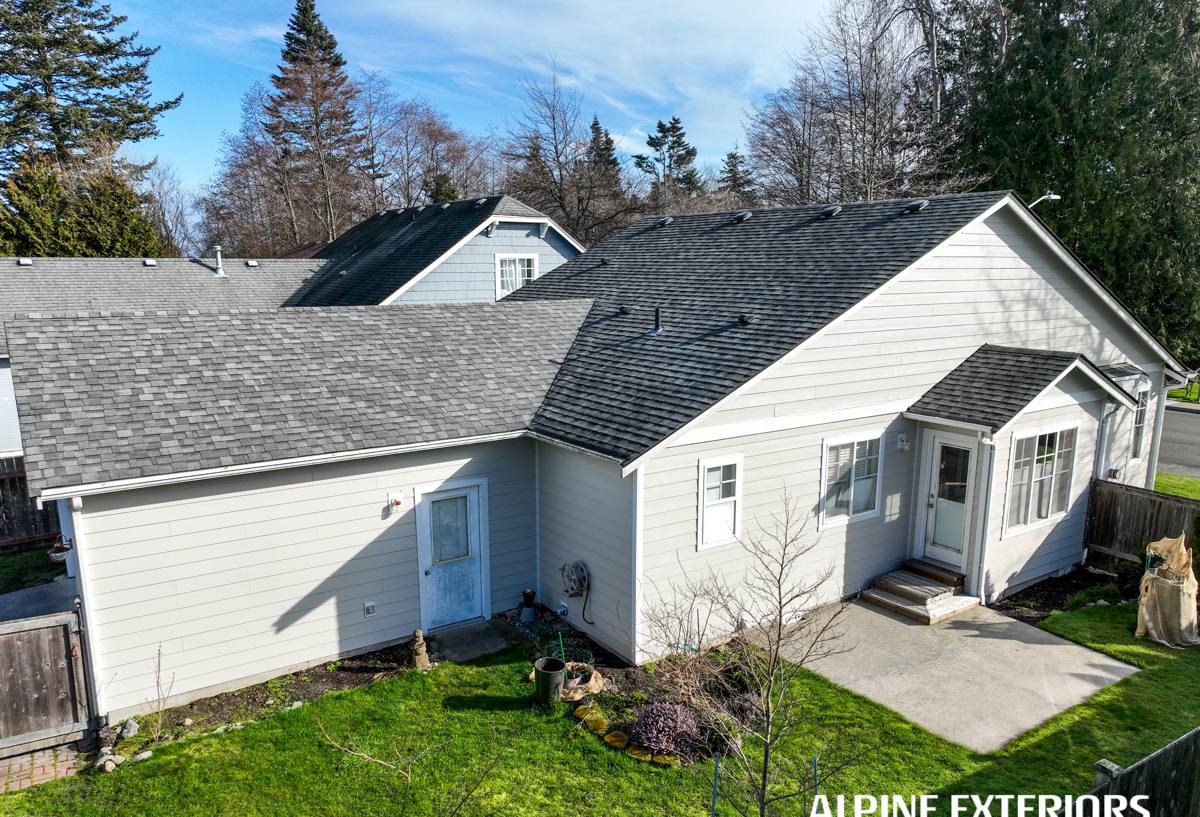
What Custer Homes Are Actually Up Against
Salt Air and Corrosion
Proximity to the water means a fine, near-constant presence of salt in the air, especially on homes with any kind of westward or northward exposure. Salt air accelerates corrosion on fasteners, flashing, and any metal components on a home's exterior. It also interacts with certain siding materials in ways that show up as pitting, discoloration, or accelerated wear over the years — problems that are much less common on homes twenty or thirty miles from the coast.
Driving Rain
Whatcom County doesn't just get a lot of rain — it gets a lot of wind-driven rain, particularly during fall and winter storm systems that push moisture sideways into walls rather than straight down onto roofs. That kind of exposure punishes any siding system with weak seams, poor caulking practices, or materials that absorb and hold water. It's also why proper flashing and water management behind the siding matter as much as the siding material itself.
Moss Season
The extended damp season in this part of the state creates ideal conditions for moss and algae growth on roofs, siding, decking, and anywhere else moisture lingers without much direct sun. Moss holds moisture against a surface far longer than open air would, which is a slow but real threat to any material that isn't built to handle sustained dampness. On roofs it's a maintenance issue; on siding, especially wood-based products, it can become a structural one over time.
Why Siding Material Is the First Decision, Not an Afterthought
A lot of siding problems we get called out to inspect in this region trace back to the original material choice, not poor maintenance. In a climate like Custer's, the material has to tolerate near-constant moisture exposure, resist the effects of salt air, and hold its finish without constant re-coating. That's a shorter list of products than most homeowners expect, and it's why we standardized on one.
Why We Install Only James Hardie Fiber Cement
We install James Hardie fiber cement siding exclusively. We don't install vinyl, LP SmartSide, Cemplank, Allura, primed spruce, or cedar. That's a deliberate professional standard, not a sales preference, and it's rooted in how those materials perform specifically in coastal, wet, moss-prone conditions like Custer's.
- Fiber cement is non-combustible — a real advantage in wildfire-adjacent regions and simply a sound long-term choice regardless.
- It doesn't absorb and swell with moisture the way wood-based and some engineered wood products can, which matters directly in a driving-rain climate.
- ColorPlus factory-applied finish is baked on and warranted, rather than field-applied paint that has to be maintained and re-coated on a shorter cycle.
- HZ5 and HZ10 product lines are engineered specifically for the moisture and freeze-thaw conditions of the Pacific Northwest, not a one-size-fits-all national product.
- Rigid, dimensionally stable panels hold caulk lines and seams tighter over time, which is exactly what you want when wind is driving rain sideways into a wall.
We're not going to claim the alternatives are junk — they're not, and each has a place in some market. Vinyl is inexpensive and low-maintenance in mild climates. Cedar has real aesthetic appeal and a long track record when meticulously maintained. LP SmartSide and other engineered wood products have improved considerably. But every one of them asks a homeowner to accept a trade-off — more maintenance, more moisture sensitivity, a shorter finish life, or all three — that we don't think makes sense on a home exposed to salt air and driving rain for a good chunk of the year. Fiber cement doesn't ask for that trade-off, which is why it's the only siding we put on a house.
How the Common Alternatives Compare in This Climate
| Material | Moisture Behavior | Maintenance in Custer's Climate | Finish Life |
|---|---|---|---|
| James Hardie Fiber Cement | Does not absorb/swell; engineered HZ lines for wet regions | Low — occasional wash-down | Factory ColorPlus finish, long warranty |
| Vinyl | Doesn't absorb water but can warp/crack with temperature swings and impact | Low, but seams and panels can loosen over time | Color molded-in, fades over years, not repaintable easily |
| Cedar | Absorbs moisture readily; needs consistent sealing | High — regular refinishing, moss and rot watch | Short — repaint/reseal cycle every few years |
| LP SmartSide / Engineered Wood | Moisture-resistant treatment, but edges and cuts are vulnerable | Moderate — caulking and paint maintenance | Field-applied finish, moderate repaint cycle |
Full Exterior Protection: Roofing, Windows, and Decks
Siding is only one piece of how a Custer home holds up against the coastal climate. We also handle roofing, windows, and decks, because these systems all interact — a compromised roof edge or poorly sealed window can undermine even well-installed siding by letting moisture behind it.
Roofing
Given the moss season described above, roofing in this area needs attention to ventilation, moisture shedding, and materials that don't invite prolonged moss growth. We look at the whole roof system, not just the shingles, when we're on a Custer property.
Windows
Window flashing and sealing is one of the most common failure points we find on older homes out here, particularly on walls that face into prevailing storms. Replacing siding without addressing failing window flashing just relocates the water problem.
Decks
Outdoor living spaces in Whatcom County take a beating from the same driving rain and damp seasons — decking materials and fastener choices matter just as much here as they do on the walls of the house.
What Our Installation Process Looks Like
Fiber cement siding performs the way it's designed to only when it's installed correctly — this is a material that rewards careful work and punishes shortcuts, especially in a wet climate. Our process on a Custer home typically includes:
- An on-site assessment of existing siding, sheathing condition, and any moisture damage already present.
- Correcting or upgrading water management — house wrap, flashing, and drainage planes — before any new siding goes up.
- Installing James Hardie panels or lap siding to manufacturer specification, including proper fastening, clearances, and caulking at seams and penetrations.
- Final inspection of trim, transitions, and any areas most exposed to wind-driven rain.
Skipping the water-management step is one of the most common causes of premature siding failure we see on inspections, regardless of the siding brand originally installed. It's not a step we skip.
Why a Local Crew Matters in Custer
A contractor based out of Ferndale and working Whatcom County regularly has a working knowledge of how exposure varies within just a few miles here — a home closer to open water versus one more sheltered inland, or a home on a west-facing slope that catches the worst of winter storms directly. That local familiarity shapes practical decisions: where extra flashing attention is warranted, which sides of a house need closer inspection during a quote, and what realistic maintenance expectations look like for this specific stretch of coastline. It also means a shorter response time if something needs a follow-up look after installation.
Signs Your Current Siding May Be Struggling
Whether your home currently has vinyl, cedar, engineered wood, or aging fiber cement, these are the signs worth a professional look, especially in a Custer exposure:
- Visible moss or algae buildup on siding, not just the roof
- Soft spots, bubbling, or discoloration, particularly near the bottom of walls or around windows
- Paint or finish that's peeling, chalking, or needing re-coating more often than every several years
- Gaps or cracking at seams and corner boards after storms
- A noticeably higher heating bill that could point to compromised wall assembly behind the siding
What Affects Cost on a Custer Siding Project
| Factor | Why It Matters |
|---|---|
| Home size and wall complexity | More corners, dormers, and trim details increase labor and material needs |
| Existing water damage | Rot or compromised sheathing found during tear-off must be repaired before new siding goes on |
| Siding profile and color | Lap width, panel style, and ColorPlus color selection affect material cost |
| Exposure level | Homes with heavier wind and rain exposure may need additional flashing detail work |
| Scope | Siding-only versus a combined siding, window, and trim project changes both cost and timeline |
We don't publish blanket per-square-foot pricing because these variables genuinely change the number from one Custer home to the next — an accurate estimate comes from actually walking the property.
Get a Local, No-Pressure Estimate
If you're weighing siding, roofing, window, or deck work on a Custer home and want an honest read on what your exterior is actually facing out here, we're glad to take a look. Use the form below to request a free estimate — no pressure, just a straightforward assessment from a crew that works this part of Whatcom County regularly.