 Ferndale Siding
 Cordata's Climate Is Harder on Siding Than It Looks
Homes in the Cordata area sit inside one of the wetter, cooler pockets of Whatcom County's marine climate, and that combination is tougher on exterior siding than most homeowners realize until something starts to fail. Salt-tinged air moving in off Puget Sound corrodes fasteners and unprotected trim over time. Driving rain, pushed sideways by wind rather than falling straight down, finds its way into seams, laps, and corner joints that would stay dry in a milder climate. And a long moss season — stretching from fall through spring in a shaded, tree-lined area like this — keeps siding surfaces damp for months at a stretch, which accelerates rot wherever water has a way in.
None of that means siding is a lost cause here. It means the material and the installation both have to be chosen and executed with this specific climate in mind, not a generic one. That's the lens we bring to every Cordata-area project.
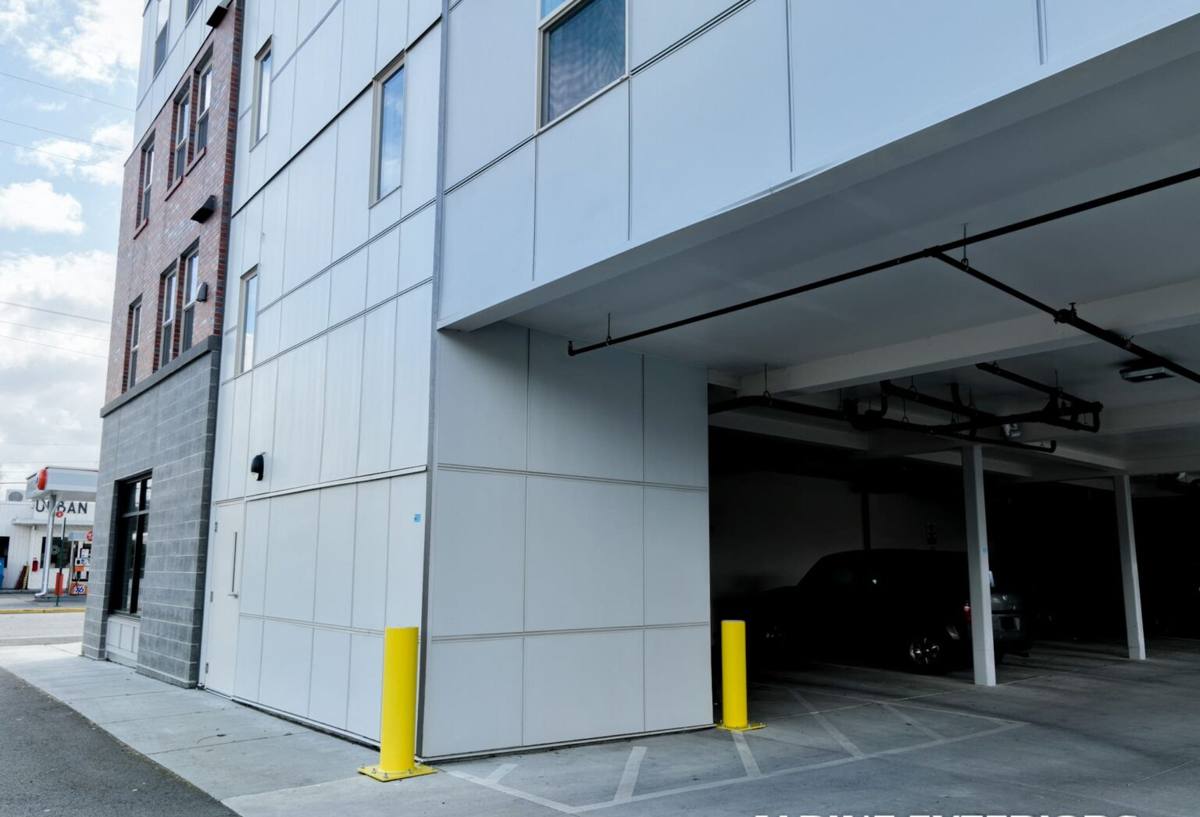
What Correct Siding Installation Actually Involves
"Siding installation" sounds simple from the curb, but the work that actually keeps a Whatcom County home dry happens in layers most people never see. A correct installation is a system, not just a set of boards nailed to a wall.
The Weather-Resistive Barrier Comes First
Before any siding goes up, the wall needs a continuous weather-resistive barrier, properly lapped shingle-style so water always drains outward and down, never inward. Every penetration — outlets, hose bibs, light fixtures, vents — needs to be flashed and sealed into that barrier, not just caulked over after the fact. This layer is what actually keeps bulk water out of the wall assembly; the siding itself is the second line of defense, not the only one.
Flashing at Every Transition
Windows, doors, decks, roof-to-wall intersections, and any place two planes of the house meet are where driving rain finds its way in. Each of those transitions needs its own flashing detail, installed in the correct order relative to the barrier and the siding, so water sheds down and out rather than pooling behind the cladding.
Fastening and Clearances
Fiber cement siding has specific fastener spacing, embedment depth, and edge-distance requirements — get those wrong and you get cracking, blow-outs in wind, or premature paint failure at the fastener heads. Ground clearance, deck clearance, and roof-line clearance all matter too: siding installed too close to grade or to a roof surface stays wet longer and starts absorbing splash-back and moss spores almost immediately.
Skip or rush any one of these layers and the siding can look fine for a year or two while moisture is already working behind it. That gap between "looks fine" and "is fine" is exactly where a lot of premature siding failure in this region comes from.
Why We Install Only James Hardie Fiber Cement
We standardized on James Hardie fiber cement siding for every home we side, including in Cordata, because it's the product that holds up best against exactly the conditions described above. It's non-combustible, it doesn't swell or rot the way wood-based products can when they take on moisture, and it carries a factory-applied ColorPlus finish that resists the fading and chalking that plain-primed products are prone to under years of coastal-influenced sun and rain. Hardie also builds region-specific HZ formulations engineered for climate zones like ours, and backs the product with a strong transferable warranty when it's installed to their specification.
We don't install vinyl, LP SmartSide, primed spruce or cedar boards, or fiber cement alternatives like Cemplank or Allura. Each of those has legitimate uses elsewhere, but none of them is the product we're willing to put our name behind for a Whatcom County exterior. If you want the honest reasoning behind that, we go into more detail on our pages comparing Hardie to each of those alternatives — the short version is that Hardie is the one product where the material, the finish, and the warranty all line up with what this climate actually demands.
Profiles: Lap, Shingle, and Panel
James Hardie makes several siding profiles — lap, shingle, and vertical or panel styles — and the right choice for a Cordata home usually comes down to the home's architecture and how much of the wall sits in shade. Traditional lap siding remains the most common choice and performs well across most exposures. Shingle-style Hardie siding gives a distinct textured look that works well on gable ends and accent areas, though its additional seams mean flashing and installation detail matter even more. Panel systems suit modern architectural styles and simplify some of the seam work, but still require correct joint treatment at every panel edge.
Why Factory-Applied Color Matters Here
Color plays a bigger role in this climate than people expect. A factory-applied ColorPlus finish holds up to UV and moisture far better than field-applied paint, which matters on walls that see long stretches of damp, shaded exposure through the moss season. Darker colors on south- and west-facing walls will fade and show wear differently than the same color on a shaded north wall, so we walk through color and orientation together during the estimate rather than treating it as an afterthought.
Our Installation Process for Cordata Homes
Every project runs through the same disciplined sequence, whether it's a full re-side or new construction.
- On-site assessment. We inspect the existing wall assembly, sheathing condition, and any signs of existing moisture damage before quoting anything.
- Tear-off and sheathing repair. Old siding and trim come off, and any soft or water-damaged sheathing gets replaced — not covered over.
- Weather barrier installation. A continuous, correctly lapped barrier goes on the entire wall, with flashing integrated at every window, door, and penetration.
- Hardie panel, plank, or shingle installation. Fastened per James Hardie's published spec for our climate zone, with correct clearances at grade, roofline, and decks.
- Trim, caulking, and touch-up. Factory-finished trim and ColorPlus touch-up paint are used so seams and cut edges match and stay protected.
- Final walkthrough. We review the finished exterior with the homeowner and flag any maintenance items specific to the site — shade, drainage, plantings close to the wall, and so on.
Problems We Commonly Find on Older Homes in This Area
A lot of our Cordata-area work starts as a repair estimate that turns into a full siding conversation once we see what's actually happening behind the old cladding. The pattern is consistent enough that it's worth laying out plainly.
| What Homeowners Notice | What's Usually Happening | Why It Matters Here |
|---|---|---|
| Dark green or black streaking, especially on north-facing walls | Moss and algae colonizing siding that stays damp too long | The long moss season means shaded walls rarely get enough dry time to resist growth on their own |
| Soft or spongy spots near the bottom of walls | Wood-based siding or trim absorbing splash-back and ground moisture | Constant driving rain and damp soil keep the lowest courses wet more of the year than in drier climates |
| Peeling or bubbling paint around nail heads | Corrosion or moisture intrusion at fastener penetrations | Salt-influenced air accelerates fastener corrosion faster than an inland climate would |
| Gaps opening at butt joints and corners | Wood movement or failed caulk joints that were never properly flashed | Repeated wet-dry cycling through the rainy season works these joints loose over time |
None of these are unusual for the region — they're the predictable result of siding and detailing that wasn't built for this specific set of conditions.
Cost Factors for a Siding Installation Project
Every home is different, but the price of a siding project in this area is driven by a consistent set of factors. We won't quote a number without seeing the house, but this is what actually moves the estimate.
| Factor | Why It Affects Cost |
|---|---|
| Home size and wall complexity | More square footage and more corners, gables, and transitions mean more material and more labor-intensive detailing |
| Existing sheathing condition | Rot or moisture damage found during tear-off adds repair work before new siding can go on |
| Siding profile chosen | Lap, shingle, and panel Hardie products vary in material cost and installation time |
| Trim and detail work | Window and door surrounds, fascia, and corner treatments add labor beyond the flat wall areas |
| Access and site conditions | Steep grades, tight setbacks, or heavy landscaping close to the walls can slow the job down |
As a rough starting point, most full siding replacements on homes in this area run from the mid five figures into the low six figures depending on size and scope — but the only way to know what your home actually needs is a site visit.
Why Local Experience in This Area Matters
A contractor who's installed siding on dozens of homes in and around Ferndale and greater Whatcom County knows things a crew from outside the area won't: which wall orientations hold moisture longest through the moss season, how much ground clearance actually holds up against this region's rain patterns, and what flashing details matter most given how weather typically hits this part of the county. That knowledge shows up in small decisions — where to add an extra flashing detail, how tight to run clearances, which trim details to reinforce — that don't show up on a spec sheet but do show up in how the siding performs five and ten years out.
It also matters for warranty follow-through. James Hardie's warranty coverage depends on correct installation to their specification. A crew that installs Hardie regularly in this exact climate is far less likely to make the kind of installation mistake that could complicate a future warranty claim.
What to Ask Before Hiring a Siding Contractor
Whether you talk to us or anyone else, these are the questions worth asking before signing a contract:
- Are you a certified or factory-trained installer for the specific siding product you're proposing?
- Will you inspect and replace damaged sheathing, or just cover over what's there?
- What weather-resistive barrier and flashing details will you use at windows, doors, and penetrations?
- What fastener spacing and clearance standards will you follow, and are they written into the contract?
- Who handles the manufacturer's warranty registration, and what would void it?
- Can you walk me through how you'd handle drainage and moss exposure on the shadier sides of my house?
Caring for Your Siding After Installation
A correctly installed Hardie exterior needs very little upkeep compared to wood-based alternatives, but a small amount of seasonal attention goes a long way in this climate.
- Rinse off accumulated moss, pollen, and grime with a garden hose once or twice a year, especially on shaded, north-facing walls.
- Keep gutters clear so overflow doesn't run directly down the siding face.
- Trim back shrubs and landscaping so air can circulate along the wall and siding can dry between rain events.
- Touch up any chips or scrapes near the bottom of walls promptly with matching ColorPlus paint to keep the finish sealed.
- Have caulking at trim joints and penetrations checked every few years, since it's the one component that ages faster than the siding itself.
If your Cordata-area home is due for new siding, or you're just not sure whether what's on the walls now is still doing its job, we're happy to take a look. We offer free, no-pressure estimates — walk the property with you, point out anything we find, and give you a straight answer on what it would take to do the job right.