 Ferndale Siding
 Siding Replacement for Homes Along the Lummi Nation Shoreline
Homes in and around Lummi Nation sit close to the water, and that changes what siding has to deal with year-round. Between the salt-laden air coming off Bellingham Bay and the Strait, the driving rain that blows straight into west- and south-facing walls, and the long stretch of gray, damp months that let moss and algae take hold, exterior walls here work harder than siding does twenty miles inland. Ferndale Siding Company replaces siding in this area regularly, and the pattern is consistent: whatever went up on these homes originally rarely made it past year fifteen or twenty without serious problems, and a lot of it failed sooner.
This page focuses on one thing: what a proper siding replacement looks like for a home in this specific stretch of Whatcom County, and why the details matter more here than they would somewhere drier and further from the shoreline.
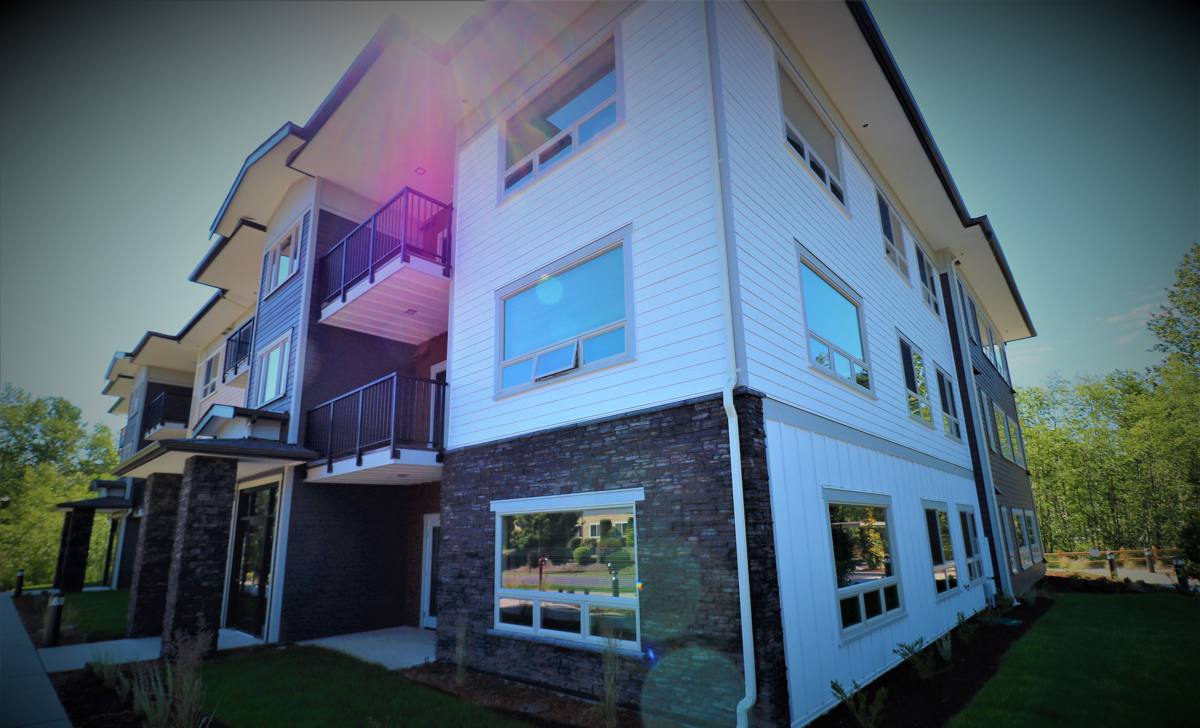
What Salt Air, Driving Rain, and Moss Actually Do to Siding
These three conditions don't act alone — they compound each other, and that's why coastal siding failures often look worse than the age of the house would suggest.
Salt Air
Airborne salt is corrosive to fasteners, flashing, and any exposed metal trim. It also settles into porous or lightly finished siding surfaces, holding moisture against the wall longer than plain rainwater would. Over years, that constant low-grade exposure accelerates fastener corrosion, paint breakdown, and edge deterioration on materials that weren't engineered for it.
Driving Rain
Wind off the water doesn't just drop rain on a wall — it drives it sideways, forcing water up under laps, into seams, and behind poorly sealed trim and penetrations. Siding that relies on caulk and paint film alone to stay watertight, rather than on correct lap geometry and flashing, tends to let water in exactly where those details are weakest.
Moss and Algae
Shade, moisture, and mild temperatures make this part of Whatcom County good moss country — great for the landscape, hard on siding. Moss holds water against the surface, and on materials that swell or absorb moisture, that constant dampness is what starts rot, delamination, or coating failure long before the siding is actually "used up."
Signs a Lummi Nation Home Needs Siding Replacement, Not Another Repair
Not every siding problem calls for a full tear-off. But there's a point where patching stops making sense, and homes in this area tend to hit that point earlier than the national averages you'll read online. Signs it's time to talk replacement rather than repair:
- Soft, spongy, or crumbling siding when you press on it, especially near the bottom courses or around windows and doors
- Paint that won't hold — repeated peeling or bubbling within a couple of years of repainting
- Persistent moss or dark staining that comes back within a season of cleaning
- Visible gaps, warping, or buckling in panels or lap boards
- Soft trim or sheathing discovered when a section of siding is pulled back
- Rising energy bills with no other explanation, which can point to moisture-compromised insulation behind the siding
If more than one or two of these show up at once, it usually means moisture has been getting behind the cladding for a while, not just sitting on top of it.
What a Correct Siding Replacement Involves
The siding itself is the part homeowners see, but most of the work that determines whether a replacement lasts 10 years or 40 happens underneath it. In a wet, salt-exposed, wind-driven environment, skipping any of these steps is where future callbacks come from.
Full Tear-Off and Sheathing Inspection
We remove the old siding down to the sheathing rather than installing over it. That's the only way to find hidden rot, soft sheathing, or past water damage before it's sealed behind a brand-new wall. Any compromised sheathing or framing gets repaired before anything new goes up — covering damaged wood with new siding just delays a bigger problem.
Water-Resistive Barrier and Flashing
A correctly lapped weather-resistive barrier, properly integrated window and door flashing, and consistent kick-out flashing at rooflines are what actually keep driving rain out — the siding itself is the second line of defense, not the first. This is the step that matters most in a wind-and-rain-exposed location like this one, and it's also the step that's easiest to shortcut if a crew is moving fast.
Installing to Manufacturer Spec
Correct fastener placement, proper clearance at grade and roofing, correct panel gaps for expansion, and factory-specified nailing patterns aren't cosmetic details — they're what the product's warranty is actually based on, and what keeps water from finding its way behind the cladding over time.
Trim, Caulk, and Finish Details
Corners, butt joints, and penetrations (vents, hose bibs, light fixtures) are where most siding leaks start. Doing these carefully, with the right sealants and factory-finished trim rather than field-painted cuts left exposed, matters more in a salt-air environment where standard caulk and paint break down faster.
Why We Install Only James Hardie Fiber Cement
Ferndale Siding Company installs James Hardie fiber cement siding exclusively — we don't install vinyl, LP SmartSide, or cedar. That's a deliberate standard, not a sales preference. Fiber cement is non-combustible, doesn't rot or swell the way wood-based products can, and holds its factory-applied ColorPlus finish far longer than field-applied paint holds up against salt air and UV. Hardie's HZ5 product line in particular is engineered for cold, wet, high-moisture climates like ours, and the company backs it with a strong, transferable limited warranty when it's installed to spec.
That last part — installed to spec — is the catch with any siding product. Fiber cement performs the way it's designed to only when the water-resistive barrier, flashing, fastening, and clearances underneath it are done right. That's true of every material, but the consequences of getting it wrong show up faster in a coastal, high-moisture location like Lummi Nation than they would somewhere drier inland.
Comparing Siding Materials for This Climate
| Material | Salt Air / Moisture Resistance | Moss & Algae Behavior | Maintenance | Typical Lifespan Here |
|---|---|---|---|---|
| Vinyl | Doesn't rot, but can warp, crack, or fade under UV and wind stress | Moss grows on the surface; doesn't hold water into the material itself | Low, but panels are hard to repair invisibly | Variable — wind and UV shorten life near the water |
| LP SmartSide (engineered wood) | Vulnerable at cut edges and seams if moisture gets in | Can support rot if moss holds moisture against an unsealed edge | Moderate — edge sealing and repainting over time | Shorter in high-moisture coastal exposure if details fail |
| Cedar | Absorbs moisture; needs ongoing sealing/staining | Prone to moss and mildew without regular maintenance | High — recurring refinishing | Shorter without disciplined upkeep |
| James Hardie fiber cement | Engineered for wet climates (HZ5); doesn't rot or swell | Factory finish resists moss staining better than field-applied paint | Low — occasional washing | Long-term, backed by transferable warranty when installed to spec |
This table reflects material behavior in general, not a claim about any specific product failing — every material on it can perform well when installed correctly and maintained. The differences show up in how forgiving each one is of coastal exposure and how much upkeep it demands to stay that way.
Our Siding Replacement Process
1. On-Site Assessment
We walk the exterior, check current siding condition, look for signs of trapped moisture, and assess trim, flashing, and drainage paths — including how the house handles wind-driven rain from its most exposed sides.
2. Written Estimate
You get a clear scope and price before anything starts — what's being torn off, what sheathing repair (if any) is anticipated, and which Hardie products and colors fit the home.
3. Tear-Off and Repair
Old siding comes off, sheathing and framing are inspected, and any damage is repaired before the new water-resistive barrier goes on.
4. Installation to Spec
Flashing, barrier, and Hardie siding go on per manufacturer specification, with attention to the fastener corrosion and driving-rain issues that are specific to this location.
5. Final Walkthrough
We review the finished work with you, cover care and cleaning going forward, and make sure the warranty paperwork is in order.
What Affects the Cost of a Siding Replacement Here
- Home size and wall complexity — more corners, dormers, and penetrations mean more labor and trim detail
- Extent of hidden damage — sheathing or framing repair adds cost but is far cheaper to fix now than after it's sealed up
- Removal and disposal — full tear-off of old material versus a simpler removal scope
- Siding profile and color — lap width, texture, and ColorPlus finish selections affect material cost
- Access and site conditions — waterfront and wooded lots can affect equipment access and staging
We give firm, itemized estimates after seeing the actual house — broad ranges without an on-site look aren't useful to you and tend to be wrong in one direction or the other.
Choosing a Crew That Already Works This Area
A contractor who mostly works dry, inland neighborhoods can still do fine work, but they may not default to the flashing details and fastener choices that matter most a few hundred yards from saltwater. Before hiring anyone for a siding replacement in Lummi Nation, it's worth asking:
- Do you install to the manufacturer's written specification, and can you explain your flashing details?
- Will you inspect and repair sheathing before installing new siding, not just over existing damage?
- What warranty applies to the material, and what applies to your labor?
- Have you worked on homes in this specific area, with this level of wind and salt exposure?
- Can I see the written scope of work before you start, not just a verbal quote?
A straight answer to each of these tells you more about a contractor than any brochure will.
If your siding is showing wear, or you just want a second opinion on whether it's a repair or a replacement, we're happy to take a look. Reach out for a free, no-pressure estimate — there's a short form below to get started.