 Ferndale Siding
 Board & Batten Siding for Lynden Homes
Lynden has a look. Between the farmhouses on the outskirts of town, the Dutch-influenced architecture downtown, and the newer builds going up on former farmland, vertical board and batten siding fits the community's character in a way that flat lap siding sometimes doesn't. It reads as agricultural without looking dated, and it works equally well on a century-old farmhouse and a brand-new build on a quarter-acre lot.
But board and batten isn't just a style choice out here. In Whatcom County, how that siding is built matters as much as how it looks. We install board and batten siding for homeowners in Lynden as one piece of a company that works this specific climate every week, and this page walks through what that actually means for your house.
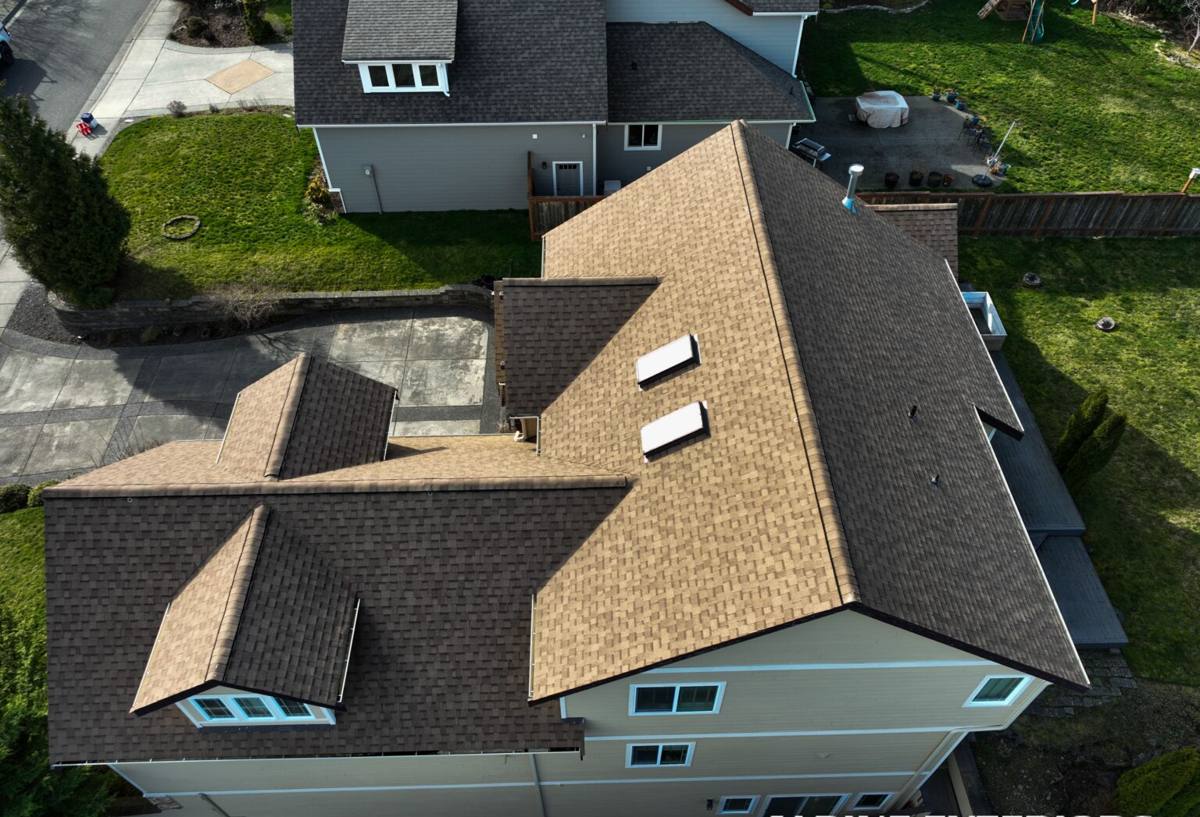
What Lynden's Climate Does to Vertical Siding
Lynden sits inland from the coast, out in the Nooksack River valley, which changes the exposure profile compared to homes closer to Bellingham Bay or Ferndale itself. You get less of the direct salt-air corrosion that coastal-facing homes deal with, but you make up for it in other ways: open farmland means more wind-driven rain hitting exterior walls, low-lying areas near the river hold moisture and fog longer into the morning, and Whatcom County's broader marine climate still delivers a moss season that can run half the year on north-facing and shaded elevations.
Vertical siding styles like board and batten are more exposed to this than people expect. The battens create dozens of extra seams and fastening points running the full height of the wall, and every one of those seams is a place where water can get behind the cladding if the assembly isn't built correctly. On a lap siding wall, gravity does a lot of the work moving water down and off. On a board and batten wall, water has more vertical joints to test on its way down, which is exactly where moss, staining, and rot problems tend to start first.
What this means in practice
- Batten spacing and fastening have to account for wood movement and moisture cycling, not just look even from the street
- The wall needs a real drainage plane behind the siding, not just house wrap stapled flat to the sheathing
- Sealant and flashing details at trim, window heads, and penetrations carry more of the waterproofing burden than they would on horizontal siding
- Material choice matters more here than almost anywhere else in the region, because a board and batten assembly built with the wrong product front-loads maintenance for the next twenty years
Why We Only Install James Hardie for This Style
We don't install vinyl board and batten, LP SmartSide board and batten, or raw cedar board and batten, and it's worth explaining why, because all three get sold in this market and all three have real trade-offs that matter more on a vertical profile than they do elsewhere.
Vinyl board and batten panels are affordable and low-maintenance in mild climates, but they're a poor match for a valley climate with real temperature swings and wind exposure — vinyl expands and contracts more than fiber cement, the battens can telegraph waviness over time, and impact resistance is limited. LP SmartSide is engineered wood, and engineered wood's weak point is exactly what board and batten stresses most: end grain and cut edges exposed at every batten and panel seam, which is where moisture intrusion starts if caulking and flashing aren't maintained on schedule. Cedar board and batten looks beautiful when it's new, but it's a maintenance commitment — refinishing, caulk renewal, and vigilance against the same moss and moisture issues Whatcom County throws at every exterior surface, at a real ongoing cost of time and money.
James Hardie fiber cement doesn't have a grain to swell or rot, doesn't support combustion, and holds paint and factory finish far longer than wood-based alternatives because it isn't absorbing and releasing moisture the same way. For a siding style that lives or dies on how well the assembly manages water, that's the difference that matters most.
The Hardie board and batten system
We build board and batten walls using HardiePanel vertical siding as the field panel, with Hardie trim boards installed as the battens over the panel seams. Both are manufactured to the HZ5 specification engineered for climates like ours — cold, wet winters and real humidity swings — and both carry Hardie's factory ColorPlus finish, which is baked on and warranted against cracking, chipping, and fading in a way field-applied paint isn't.
What a Correct Board & Batten Installation Involves
The visible part of board and batten — panels and battens, evenly spaced, painted a clean color — is the easy part to get right. The parts that determine whether the wall performs for the next 30 years are underneath and around it.
| Assembly Detail | Why It Matters in Lynden's Climate |
|---|---|
| Weather-resistive barrier, properly lapped | First line of defense behind the panel; a torn or improperly lapped barrier lets wind-driven rain reach the sheathing |
| Rainscreen gap / furring strips | Lets any moisture that gets behind the panel drain and dry instead of sitting against the wall, which matters most on shaded or north-facing walls where moss and damp linger longest |
| Batten fastening and spacing | Fastened per manufacturer spec so the panel and batten can handle seasonal movement without cracking caulk joints |
| Flashing at windows, doors, and penetrations | Vertical siding channels water past these points more directly than lap siding; poor flashing here is the most common source of hidden leaks |
| Ground clearance and bottom-of-wall detailing | Keeps the bottom course clear of splashback and standing moisture, especially relevant on lots with poor drainage or flat grading |
Our Process for a Lynden Board & Batten Project
- On-site assessment. We look at your home's exposure — which walls face prevailing wind and rain, where moss and staining already show up, and what condition the existing siding and sheathing are in.
- Tear-off and sheathing check. Old siding comes off and we inspect the sheathing underneath for rot or damage before anything new goes up. Problems found here get fixed before we cover them, not after.
- Weather barrier and drainage plane. A new weather-resistive barrier is installed and lapped correctly, with a rainscreen gap built in so the wall can dry.
- Panel and batten installation. HardiePanel goes up first, followed by Hardie trim battens over the seams, fastened to spec for spacing and movement.
- Flashing, trim, and sealant. Windows, doors, corners, and penetrations get flashed and sealed as part of the install, not treated as an afterthought.
- Final walkthrough. We go over the finished work with you before calling the job done.
Cost Factors for Board & Batten Siding
Board and batten typically costs somewhat more than standard lap siding in labor, because of the extra material and fastening involved in the battens themselves. Beyond the base material, a few things move the price on a given Lynden home:
| Factor | Why It Affects Cost |
|---|---|
| Existing siding removal and sheathing condition | Tear-off and any rot repair add time before new siding can go on |
| Wall height and number of stories | Taller walls and multi-story sections require more scaffolding, staging, and labor time |
| Trim and architectural detail | Gable ends, dormers, and multiple roof pitches add cutting and fitting time on a vertical profile |
| Batten spacing chosen | Tighter batten spacing uses more trim material and fastening labor than wider spacing |
| Access around the home | Fencing, landscaping, and outbuildings common on Lynden's larger rural lots can affect staging and equipment access |
We give a straightforward number after walking your property — not a rough phone quote — because these factors vary enough house to house that a generic estimate isn't useful to you.
Living With Board & Batten Siding in Whatcom County
Fiber cement board and batten is genuinely low-maintenance compared to wood or the upkeep vinyl requires to stay looking sharp, but "low-maintenance" doesn't mean "zero-attention" anywhere in this climate. A short annual routine keeps a correctly installed Hardie board and batten wall performing the way it should for decades.
- Rinse siding annually, focusing on north-facing and shaded walls where moss and mildew take hold first
- Walk the exterior once a year checking caulk lines around windows, doors, and batten-to-trim joints for cracking or gaps
- Keep gutters clear so overflow doesn't run down and pool against siding or trim boards
- Trim back landscaping and tree cover that keeps a wall shaded and damp longer than it needs to be
- Address any impact damage or loose trim promptly rather than letting a small gap become a moisture entry point
Why Hire a Crew That Already Works Lynden
Board and batten siding punishes generic installation more than most siding styles, because the assembly details that matter — drainage, flashing, batten fastening — are exactly the details that get skipped by crews trying to move fast on unfamiliar terrain. A crew that already installs siding across Whatcom County knows how the local moss season behaves on shaded walls, how driving rain moves across open Lynden lots, and how to detail a wall so it's still performing correctly ten winters from now, not just on install day.
That local familiarity also shows up in smaller, practical ways — knowing what permitting looks like in the area, understanding how rural and semi-rural lots around Lynden are laid out for access and staging, and being available for a follow-up visit without a long drive if something needs a second look.
If you're considering board and batten siding for a home in Lynden, we're happy to come take a look, walk the property with you, and put together a clear, no-pressure estimate — no obligation, no hard sell, just an honest look at what your home needs.