 Ferndale Siding
 Deck Repair Built for Marietta's Wet, Salty Air
Marietta sits close to the water on the edge of Ferndale, and that location comes with a trade-off. The same setting that makes it a nice place to have a deck is also what wears one down faster than most inland neighborhoods in Whatcom County. Salt-laden air off the bay, near-constant winter rain, and a moss season that can stretch from October through May all work on wood, fasteners, and framing in ways that a generic deck repair crew from outside the area doesn't always plan for. We work Marietta regularly, so we know what tends to fail first and what a repair actually needs to hold up here.
This page is about one job: repairing existing decks on Marietta properties. Not a sales pitch for a full rebuild you don't need, and not a generic national checklist. Just a straight explanation of what local conditions do to a deck, what a correct repair covers, and how we handle the work.
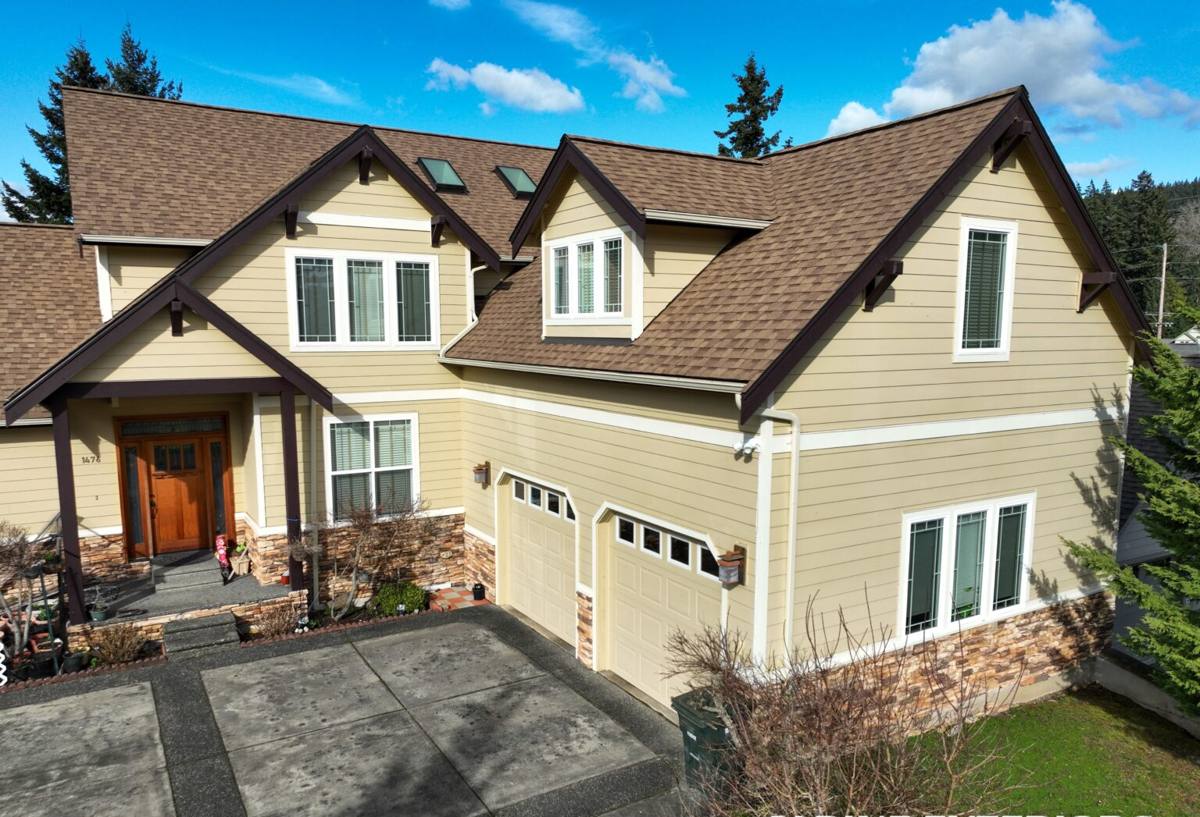
How Marietta's Climate Wears Down a Deck
Salt Air and Metal Fasteners
Homes close to saltwater deal with a slow, steady corrosion problem that inland homes mostly don't. Nails, screws, joist hangers, and post bases that aren't rated for coastal exposure will rust and weaken over the years, sometimes well before the wood around them shows obvious damage. A deck can look structurally fine on the surface while the fasteners holding it together are quietly losing strength underneath.
Moss, Algae, and Trapped Moisture
Whatcom County's moss season is long, and Marietta's proximity to the water keeps humidity high even between rain events. Moss and algae take hold on decking boards, stair treads, and anywhere shade keeps a surface from drying out. Beyond making a deck slick and dangerous underfoot, moss holds moisture directly against the wood, which accelerates rot in the boards and in the joists below them.
Driving Rain and Ledger Board Rot
The ledger board — the piece that attaches the deck to the house — is one of the most common failure points we find during inspections. Driving rain pushed by coastal wind finds gaps in flashing or caulking that weren't sealed correctly the first time, and water gets behind the ledger where it can't dry out. That's a structural issue, not a cosmetic one, and it's one of the reasons a deck repair should always include a proper structural check, not just a look at the decking boards.
Signs Your Marietta Deck Needs Repair
- Boards that feel spongy, springy, or soft when you walk on them
- Persistent green or black staining that comes back within weeks of cleaning
- Visible rust streaks running down from screw heads or hardware
- Railings or stair stringers that wobble or feel looser than they used to
- Gaps, cracks, or soft spots where the deck meets the house
- Standing water that doesn't drain within an hour or two after rain stops
- Nails backing out or popping up above the board surface
Any one of these on its own might be minor. Several at once, or anything near the ledger board or support posts, is worth a proper look before it turns into a bigger repair.
What a Correct Deck Repair Actually Involves
A repair that only replaces the boards you can see is a cosmetic fix, not a deck repair. On a Marietta property, we treat the framing and fasteners as just as important as the decking surface, because that's usually where the real damage is hiding.
Structural Inspection First
Before any boards come off, we check the ledger board attachment and flashing, the condition of the joists and beams, the post bases where they meet concrete footings, and the fasteners throughout. This tells us whether we're looking at a surface repair or something that needs framing work.
Addressing the Cause, Not Just the Symptom
If moisture is getting behind the ledger board, we fix the flashing and sealing, not just the rotted wood around it. If moss keeps coming back in the same spot, we look at whether drainage or airflow under the deck is part of the problem. Replacing a board without addressing why it failed usually means repeating the repair in a year or two.
Matching Materials and Fasteners to the Environment
Given the salt air here, we use fasteners and hardware rated for coastal or marine-grade exposure wherever the original hardware wasn't up to that standard. It costs a little more upfront than standard hardware, but it's the difference between a repair that lasts and one that starts corroding again within a few seasons.
Repair or Replace? What We Look At
Not every deck problem calls for a full rebuild, and not every deck is worth patching indefinitely. Here's how we generally think about it:
| Factor | Leans Toward Repair | Leans Toward Replacement |
|---|---|---|
| Framing condition | Joists and ledger are structurally sound | Rot or corrosion found in multiple framing members |
| Age of deck | Under 15-20 years old | Original construction is decades old and near end of service life |
| Extent of damage | Isolated boards, hardware, or railing sections | Damage is widespread across the surface and substructure |
| Ledger board | Properly flashed, attached, and dry | Long-term water intrusion behind the ledger |
| Code compliance | Railings, spacing, and attachment already meet current standards | Older deck doesn't meet current safety code and needs upgrades anyway |
We'll give you an honest read on which side of that line your deck falls on. If a repair will genuinely hold up, that's what we recommend — we're not in the business of selling replacements people don't need.
Our Deck Repair Process
- On-site inspection. We check decking, framing, ledger attachment, posts, footings, railings, and stairs, and note anything showing rot, corrosion, or movement.
- Written scope and estimate. You get a clear breakdown of what needs to be fixed and why, with pricing before any work starts. No pressure, no upsell you didn't ask for.
- Repair the cause. We address flashing, drainage, and fastener issues alongside the visible damage so the same problem doesn't resurface.
- Replace only what's compromised. Sound wood and hardware stay. Damaged or corroded material gets replaced with materials suited to Marietta's exposure.
- Final walkthrough. We check the deck is solid, level, and safe before we consider the job done, and point out anything you should keep an eye on going forward.
Materials We Use — And Why
For fasteners and structural hardware, we use hot-dip galvanized or stainless steel components rated for coastal exposure rather than standard interior-grade hardware. Standard hardware is fine in a dry inland climate, but it's an ongoing maintenance headache this close to the water, and we'd rather do the job once correctly than have you calling us back in three years about rust stains.
For decking surfaces, both quality pressure-treated wood and composite decking can work well in Marietta's climate, and the right choice depends on your budget, how the deck is used, and how much upkeep you want to take on. Wood costs less upfront but needs regular cleaning and periodic sealing to fight moss and moisture. Composite costs more initially but generally sheds moss more easily and doesn't need staining. We'll walk you through the honest trade-offs for your specific deck rather than pushing one option across the board.
Keeping a Repaired Deck Healthy: Owner Checklist
- Sweep leaves and debris off the deck surface regularly through fall and winter
- Clean moss and algae off boards and stairs at least once a year, ideally before it builds up
- Check that gaps between boards stay clear so water can drain instead of pooling
- Look at the ledger board area for staining or gaps once or twice a year
- Keep gutters and downspouts near the deck clear so runoff isn't draining onto it
- Reseal or restain wood decking on the schedule the product calls for, not just when it looks faded
- Address small issues — a loose board, a rust streak — before they spread
Why a Local Marietta Crew Matters
A repair crew that mostly works drier, inland areas will often reach for standard hardware and standard timelines because that's what works where they usually build. On a Marietta deck, that approach tends to age poorly. We work in this part of Whatcom County regularly, which means we're used to planning around the rain, sequencing work so framing isn't left exposed longer than it has to be, and specifying hardware that's actually built for salt air rather than hardware that's merely acceptable for it. That local familiarity is less about convenience and more about the repair still being solid five years from now instead of two.
If your deck has soft spots, rust stains, stubborn moss, or just feels less solid than it used to, we're happy to take a look. The estimate is free, there's no pressure to sign anything on the spot, and you'll get a straight answer about whether you're looking at a repair or something bigger — just fill out the form below to get started.