 Ferndale Siding
 Building Decks for Blaine's Salt Air and Rain
Blaine sits close enough to the water that homes there deal with a different set of conditions than decks built further inland. Salt-laden air off the bay, wind-driven rain that gets pushed sideways under railings and against ledger boards, and a moss season that can stretch from October well into April all put extra demands on outdoor structures. A deck built with generic, one-size-fits-all methods might look fine for a year or two, then start showing soft spots, corroded fasteners, or slick, moss-covered boards well before it should.
We build decks out of Ferndale and work in Blaine regularly enough to know which details matter here and which corners never to cut. This page covers what a Blaine deck actually needs, what correct construction looks like, and how we approach the job from first visit to final walkthrough.
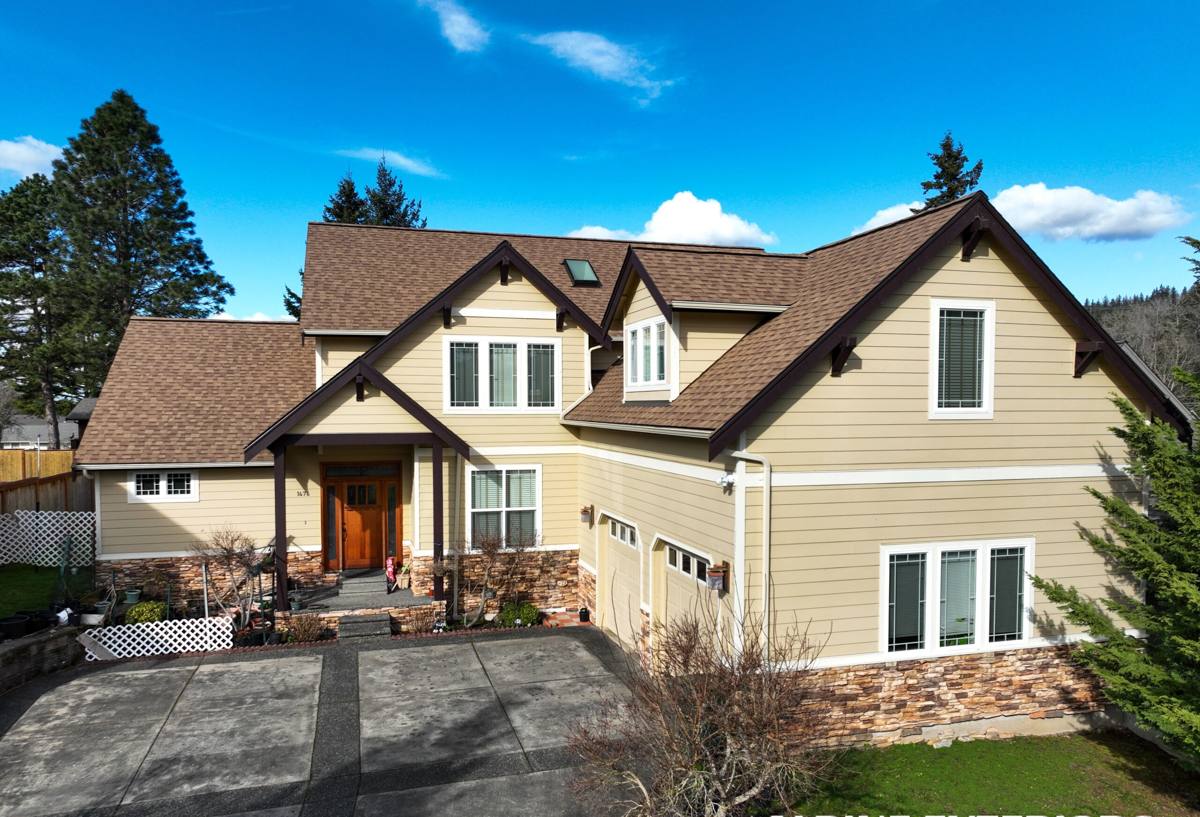
What Salt Air and Driving Rain Do to a Deck Over Time
Two forces do most of the damage to decks near Blaine: airborne salt and prolonged moisture exposure. Neither one destroys a deck overnight — the damage is gradual, which is exactly why it's easy to miss until repair costs climb.
Salt Air and Metal Hardware
Salt in the air accelerates corrosion on any exposed metal — nails, screws, joist hangers, post bases, and railing brackets. Standard electro-galvanized fasteners that would hold up fine 15 miles inland can start rusting within a couple of years this close to the water. Once a fastener corrodes, it loses holding strength long before the rust is visible from the surface, which is part of why fastener choice matters more here than most homeowners expect.
Driving Rain and Trapped Moisture
Rain in this part of Whatcom County rarely falls straight down — wind pushes it sideways, forcing water into joints, under railings, and behind ledger boards that aren't properly flashed. Wood that stays damp for extended periods is where rot starts, almost always from the inside of a joint outward, not from the visible face of a board. By the time discoloration or softness shows up on the surface, the structural damage underneath is usually further along than it looks.
Moss and Surface Wear
Blaine's long wet season gives moss and algae plenty of time to establish on deck surfaces, especially in shaded areas or spots that don't get much sun exposure through the winter. Beyond the cosmetic issue, moss holds moisture against the decking surface and creates a genuinely slick, unsafe walking surface — a real concern on stairs and near entry points.
Choosing the Right Decking Material for This Climate
There's no single "best" decking material for every home — it depends on budget, maintenance tolerance, and how much sun or shade the deck gets. Here's how the common options actually perform in a wet, salt-air environment like Blaine's.
| Material | Moisture & Salt Performance | Maintenance | Typical Lifespan |
|---|---|---|---|
| Pressure-treated wood | Good if properly sealed and drained; end grain and fastener points are the weak spots | Needs re-sealing/staining every 1-2 years in this climate | 15-20 years with upkeep |
| Cedar | Naturally rot- and insect-resistant, but still absorbs moisture over time without sealing | Sealing every 1-2 years to hold color and resist moss | 15-25 years with upkeep |
| Composite decking | Excellent — doesn't absorb water or rot, though lower-quality boards can trap surface moisture that grows algae | Periodic cleaning; no staining or sealing | 25-30+ years |
| PVC/capped polymer | Best moisture and salt resistance of common options; fully sealed surface | Lowest maintenance; occasional cleaning | 30+ years |
We don't push one material on every homeowner. A well-built cedar or pressure-treated deck can serve a Blaine home well for decades — it just requires the owner to keep up with sealing on a schedule instead of "when it starts looking bad." Composite and PVC cost more upfront but trade ongoing maintenance for consistent performance, which is worth discussing honestly against your budget rather than assuming either option is automatically right.
Framing and Substructure: Where Most Deck Failures Start
The decking boards get all the attention, but the framing underneath is what actually determines how long a deck lasts and how safe it is. This is also where corners get cut on lower-quality builds, because it's the part nobody sees once the project is finished.
- Joists and beams sized correctly for the actual span and load, not the minimum that happens to pass inspection
- Ground contact-rated lumber used anywhere framing sits close to soil or grade, not standard pressure-treated stock
- Proper airflow underneath the deck so framing can dry out between rain events instead of staying damp for weeks
- Footings set below frost depth and sized for the soil conditions on the specific lot, not a generic footing spec
- Post bases that keep wood posts elevated off concrete, preventing the wicking that rots post bottoms from below
A deck that looks great on the surface but was framed with undersized joists or poor drainage underneath will develop problems years before it should — and by the time those problems surface, they usually mean tearing into finished decking to fix them.
Ledger Attachment and Flashing: The Single Biggest Point of Failure
If a deck is attached to the house — which most are — the ledger board connection is the single most common source of rot and structural failure in this climate. Wind-driven rain pushes water behind the ledger unless it's flashed correctly, and once water gets trapped between the ledger and the house wall, it can rot both the ledger and the wall framing behind it without any visible sign from outside.
Correct ledger installation means proper flashing that directs water out and away from the house, a gap or drainage path behind the ledger so it isn't sitting flush against a moisture trap, and structural fasteners rated for the actual load — not just enough screws to hold the board in place temporarily. This is one detail we never shortcut, because it's the hardest one to fix after the fact without tearing the deck off the house.
Fasteners and Hardware Built for a Marine Environment
Given how much salt air affects metal near Blaine, fastener selection isn't a minor spec detail — it directly affects how long the deck holds together. We use stainless steel or heavy hot-dip galvanized fasteners and connectors rated for coastal exposure rather than standard electro-galvanized hardware, particularly for structural connections like joist hangers, ledger bolts, and post bases where a failure isn't just cosmetic.
The cost difference between standard and corrosion-resistant hardware on a typical deck is modest compared to the total project cost. The cost of replacing rusted-out structural hardware in a finished deck a few years down the road is not.
Our Deck Building Process
Every deck we build in the Blaine area goes through the same core process, adjusted for the specific site conditions:
- Site visit and assessment — we look at drainage, sun/shade exposure, soil conditions, and how the deck will connect to the house before recommending anything.
- Material and design conversation — an honest walkthrough of decking material options, layout, and railing choices against your budget and maintenance preferences.
- Permitting — we handle the paperwork and coordinate any required inspections so nothing gets built out of compliance.
- Framing and structural work — footings, posts, beams, joists, and ledger attachment, built to span and load requirements rather than minimums.
- Decking, railing, and finish work — installed with attention to drainage, fastener placement, and the small details that determine how the deck ages.
- Final walkthrough — we go over the finished deck with you, including what maintenance it will need and on what schedule.
Permits and Local Considerations
Deck construction in unincorporated Whatcom County and nearby jurisdictions typically requires a building permit once the deck exceeds a certain height or size, along with inspections at key stages such as footings and framing. Requirements can vary depending on exact location, lot conditions, and whether the property falls under specific shoreline or setback rules given Blaine's proximity to the water. We handle this process as part of the job rather than leaving it for the homeowner to sort out, and we won't build a deck that skips required permitting just to save time.
Maintenance Checklist for Blaine Homeowners
Whatever material your deck is built from, a few habits go a long way toward getting the full lifespan out of it in this climate:
- Rinse or sweep the surface regularly through fall and winter to keep moss and organic debris from building up
- Check and re-seal wood decking on a 1-2 year schedule rather than waiting until it visibly needs it
- Inspect the ledger board area and any spots where the deck meets the house for staining or soft wood at least once a year
- Keep gutters and downspouts near the deck clear so runoff isn't dumping extra water onto or under the structure
- Look at exposed fasteners and hardware periodically for early rust, especially on older or lower-grade hardware
- Confirm under-deck airflow isn't blocked by stored items, plantings, or added skirting that traps moisture
Why Hiring a Crew That Already Works Blaine Matters
A deck built without accounting for salt air, driving rain, and a long moss season will need repairs sooner than one built with those conditions in mind from the start — the materials and methods aren't fundamentally different, but the details around flashing, fastener choice, and drainage are where the difference shows up years later. Working regularly in Blaine and the surrounding Ferndale area means we're not guessing at how a deck will hold up here; we've seen which choices pay off and which ones lead to callbacks.
If you're planning a new deck or replacing one that's showing its age, we're happy to take a look and walk you through your options. Reach out for a free, no-pressure estimate using the form below.