 Ferndale Siding
 Decks Built for a Waterfront Neighborhood
Sandy Point sits close enough to the water that the air itself is part of the design problem. A deck built the same way you'd build one inland — same fasteners, same wood, same finish schedule — will show its age here years before it should. Salt-laden air, wind-driven rain off the Strait, and a long wet season that keeps everything damp for months at a time all work on a deck's weak points: fasteners, end grain, ledger connections, and anything that traps moisture instead of shedding it.
We build and repair decks for homes throughout Ferndale and Whatcom County, and Sandy Point is one of the areas where we pay the closest attention to material selection and detailing, because the margin for error is smaller. This page walks through what actually matters for a deck built in this specific environment — not generic deck-building advice, but the choices that make the difference between a deck that lasts and one that needs early rework.
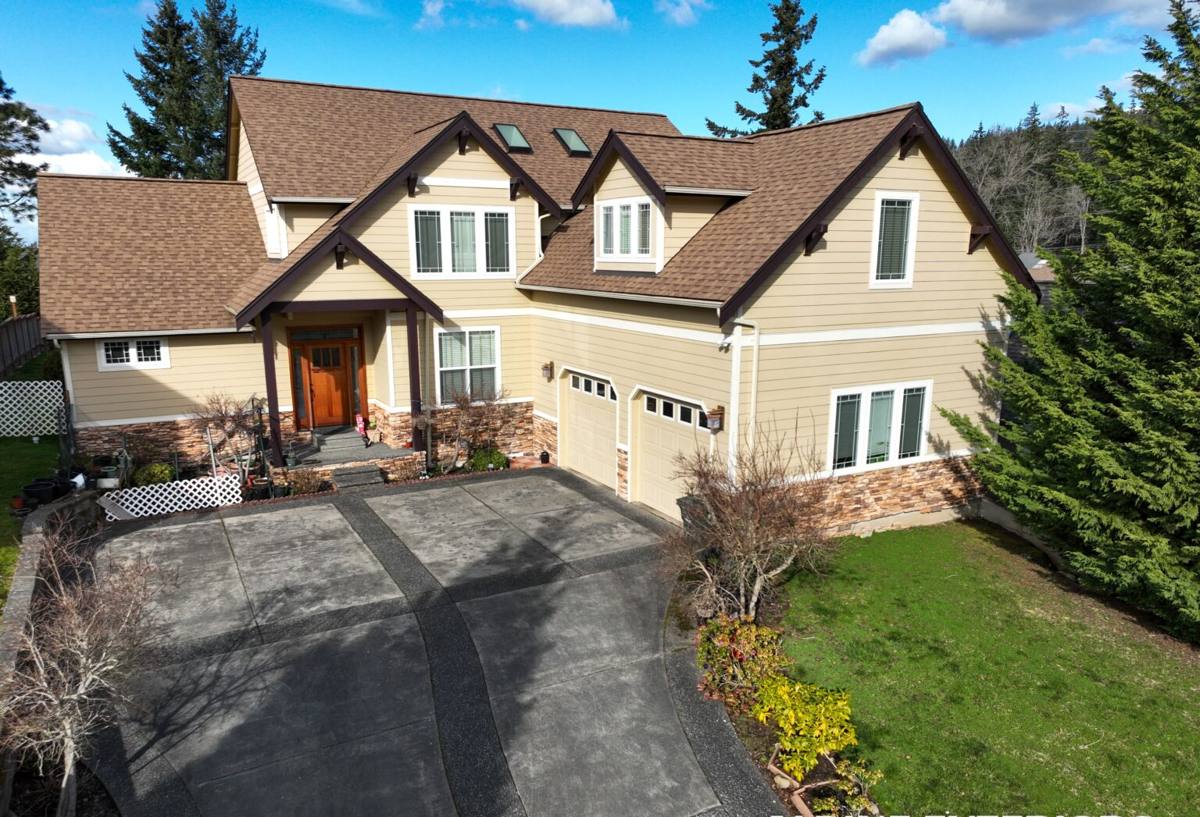
What Salt Air and Moss Season Actually Do to a Deck
It helps to understand the two or three mechanisms that cause most of the problems we see on decks near the water in this county, so the material and construction choices later make sense.
Salt Air and Corrosion
Airborne salt accelerates corrosion on any exposed metal — nails, screws, joist hangers, railing hardware, bolts. Standard electro-galvanized fasteners can start showing rust streaks and pitting within a few seasons in a coastal-exposure spot like Sandy Point. Once a fastener corrodes, it loses holding strength quietly, often long before the problem is visible from the surface.
Driving Rain and Moisture Intrusion
Rain here doesn't just fall straight down — wind off the water pushes it sideways into ledger boards, railing posts, and any gap where two materials meet. That means flashing details and end-grain sealing matter more here than in a sheltered inland yard, because water is finding its way into joints that a calmer climate would leave dry.
Moss, Algae, and the Long Wet Season
Whatcom County's wet season runs long, and shaded or low-airflow deck areas stay damp for extended stretches. That's exactly the condition moss and algae need. Beyond being a slip hazard on stairs and low decks, a moss layer holds moisture against the decking surface, which shortens the life of wood and can dull the surface of composite boards if it's never cleaned off.
Choosing a Decking Material for Sandy Point Conditions
There's no single "best" decking material — the right choice depends on how much maintenance the homeowner wants to do, budget, and how exposed the deck is to wind and salt spray. Here's how the common options compare specifically for this kind of coastal, high-moisture site.
| Material | How it holds up near the water | Maintenance | Typical lifespan here |
|---|---|---|---|
| Pressure-treated wood | Good structural performance if detailed correctly; end cuts and fastener points need extra protection | Annual cleaning, periodic sealing/staining | 15-20 years with upkeep |
| Cedar | Naturally moisture- and insect-resistant, but softer surface wears with wind-driven grit and salt | Regular oil/sealer, gray-out if left untreated | 15-20 years |
| Composite decking | Doesn't absorb water or rot; resists moss staining better than wood on shaded sections | Periodic washing to prevent surface algae film | 25-30 years |
| PVC/cellular PVC | Fully moisture-proof board; handles salt exposure without corroding or rotting | Lowest of the group — occasional rinse | 25-30+ years |
We don't push one product on every job. A wood deck detailed correctly — good drainage, sealed end cuts, proper fastener choice — can perform well for a homeowner who's willing to do yearly upkeep. Composite and PVC trade a higher up-front cost for less time spent maintaining the surface, which is often the right call for a second home or a deck that gets less regular attention. We'll walk through the honest trade-offs for your specific deck rather than defaulting to whatever's easiest to install.
Fasteners and Hardware: The Part That Fails First
Most deck failures near the water start with hardware, not decking boards. This is the detail that separates a deck that holds up from one that needs early repair, and it's largely invisible once the project is finished.
- Stainless steel fasteners and structural hardware in coastal-exposure areas, rather than standard galvanized, to resist salt-driven corrosion
- Hot-dip galvanized or stainless joist hangers and structural connectors, matched to the fastener material to avoid galvanic corrosion between dissimilar metals
- Sealed or capped end cuts on any wood component, since end grain absorbs water many times faster than a board's face
- Ledger flashing detailed to shed water away from the house band board, not just sit against it
- Gapped board spacing and proper joist slope so water actually drains instead of pooling under the surface
None of this is exotic — it's standard good practice. But it's exactly the kind of detail that gets skipped when a deck is priced and built by someone who doesn't regularly work this close to the water and doesn't think about it by default.
Railings, Stairs, and Code Requirements
Most decks over 30 inches off grade need code-compliant guardrails, and stairs need proper rise/run and graspable handrails — Ferndale and Whatcom County permitting follows the state building code on these points. Beyond meeting code, railing hardware near the water deserves the same corrosion-resistant fastener treatment as the deck's structure, since railing posts and baluster connectors take direct wind and rain exposure and are the hardware a homeowner actually touches and leans on. Stair treads in shaded, moss-prone spots also benefit from a surface with some texture, since a smooth wet board on a stair is a real fall risk during the wet months.
How We Approach a Sandy Point Deck Project
Our process is the same whether it's a full rebuild or a first-time deck, adjusted for the site conditions we find:
- Site visit and assessment — we look at sun/shade exposure, wind direction, drainage, and how close the deck sits to salt spray or standing moisture, since these drive material and detailing decisions.
- Honest material conversation — we walk through the wood-versus-composite-versus-PVC trade-offs for your specific deck and how you plan to use and maintain it, with real cost ranges, not a pitch for the most expensive option.
- Structural plan — footings, framing layout, and fastener/hardware spec set for the exposure level of the site, plus ledger flashing detail where the deck attaches to the house.
- Permitting — we handle the permit and inspection process through the applicable Whatcom County or City of Ferndale jurisdiction so the deck is built to code from the ground up.
- Build and walkthrough — construction, followed by a walkthrough covering how to care for the specific materials you chose.
Maintenance That Actually Matters Here
A well-built deck near Sandy Point still needs some seasonal attention — the goal is to keep water and moss from getting a foothold rather than scrubbing damage out after it's already done.
- Sweep debris and standing organic matter off the deck surface regularly, especially under furniture and in shaded corners where airflow is limited
- Wash the deck surface at least once a year (more often on shaded sections) to remove the algae film before it becomes a slip hazard
- Check railing and stair hardware annually for early rust streaks or loosening, which show up faster in salt air than inland
- Re-seal or re-stain wood decking on the schedule the product calls for — skipping a cycle in this climate costs more ground than it would inland
- Confirm gaps between boards stay clear so water keeps draining through rather than pooling on the surface
- Clear gutters and downspouts near the deck so overflow isn't dumping extra water onto the structure during heavy rain
Why a Local Ferndale Crew Makes a Difference
A deck built by a crew that doesn't regularly work this close to the water has no particular reason to over-spec the hardware or think hard about ledger flashing — those details cost a little more time and material, and they don't show up on a walkthrough the day the job finishes. We work in Ferndale and the surrounding Whatcom County waterfront communities, including Sandy Point, often enough that stainless fasteners and proper drainage detailing are just how we build, not an upsell. We also know which fastener and material choices have actually held up over years of salt air and wet winters in this specific area, rather than guessing from a spec sheet written for a different climate.
If you're planning a new deck or need an honest look at whether an existing one is holding up the way it should, we're glad to come take a look. There's a free, no-pressure estimate form below — tell us a bit about your project and we'll get back to you.