 Ferndale Siding
 Birch Bay Decks Work Harder Than Most
A deck in Birch Bay sits in a different environment than one a few miles inland. The combination of salt-laden marine air off the bay, wind-driven rain, and a moss season that can stretch from October through May puts real, ongoing stress on wood, fasteners, and connections. Homes closer to the water see it first: rust bleeding from screw heads, railings that feel loose a year or two after installation, decking that stays damp in shaded corners long after the rain stops. None of that is inevitable. It's a sign the deck wasn't built with this specific environment in mind.
We've built and repaired decks throughout Whatcom County, and Birch Bay projects get treated differently from the start — not because the carpentry is harder, but because the margin for error is smaller. A framing or fastener choice that would be fine in a drier, more sheltered yard can fail years early this close to the water.
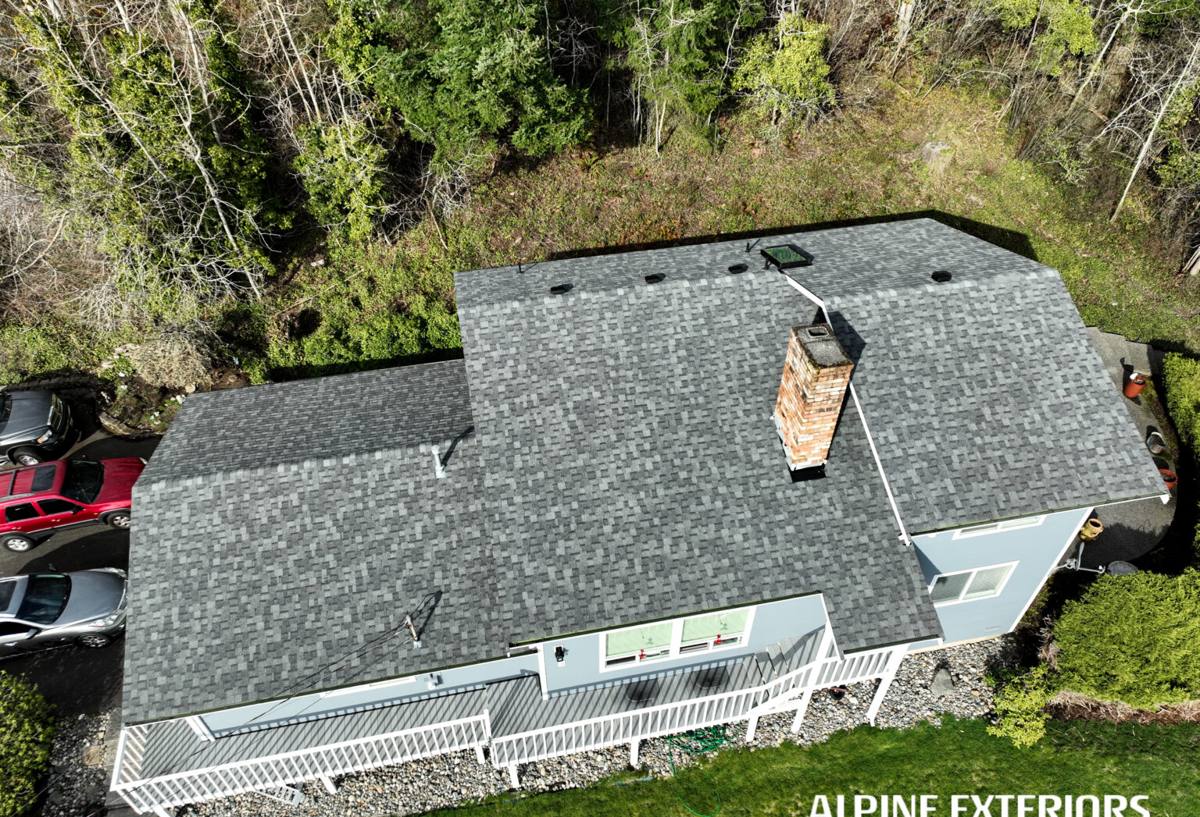
What Salt Air and Driving Rain Actually Do to a Deck
Corrosion Where You Can't See It
Salt air accelerates corrosion on any fastener or connector that isn't rated for it. The problem isn't usually the visible deck screws — it's the joist hangers, structural screws, and post bases hidden underneath. Once those start to corrode, they lose holding strength quietly, with no visible warning until something moves or fails. Every fastener and connector we use on a Birch Bay deck is stainless steel or a coating rated for coastal/high-corrosion exposure, not standard galvanized hardware.
Moisture That Doesn't Fully Dry Out
Whatcom County gets plenty of rain everywhere, but Birch Bay's exposure means wind-driven rain reaches surfaces a sheltered inland deck would never see — undersides of rail caps, the backs of fascia boards, ledger connections against the house. Wood that stays damp for extended stretches is exactly what feeds rot and the moss and algae growth that make decking surfaces slick and dark. Detailing for drainage and airflow matters more here than in most parts of the county.
UV and Wind Exposure
Open, water-facing lots often get more direct wind and sun than tree-sheltered inland lots. That accelerates finish breakdown on wood decking and puts more load on railing connections during storms. Framing and railing attachment need to account for that exposure, not just meet the bare minimum span tables.
Framing and Fasteners: Where a Deck Actually Fails First
Almost every deck failure we get called out to repair starts below the decking boards, not on top of them. Getting this right is the difference between a deck that needs cosmetic refinishing in ten years and one that needs structural repair.
- Ledger flashing: The ledger board connection to the house is the single most common source of hidden rot. It needs proper flashing that sheds water away from the house sheathing, not just caulk.
- Joist hangers and structural screws: Rated for coastal exposure, not standard exterior-grade galvanized.
- Post bases: Elevated above the decking surface and set on proper footings so posts don't sit in standing water.
- Joist tape or cap flashing: Protects the tops of framing lumber from the moisture that collects under decking boards.
- Airflow underneath: Decks built low to the ground or with poor cross-ventilation stay damp longer and moss faster.
Choosing Decking Material for This Environment
There's no single "best" decking material for Birch Bay — there's a right trade-off depending on your budget, how much upkeep you're willing to do, and how exposed the deck is. We'll walk through the honest pros and cons for your specific site rather than push one product.
| Material | How It Handles Salt Air & Moisture | Maintenance | Typical Lifespan |
|---|---|---|---|
| Pressure-treated lumber | Good if sealed and re-sealed regularly; end cuts and fastener holes are the weak points | Annual cleaning, re-seal every 1-2 years | 15-20 years with upkeep |
| Cedar | Naturally rot-resistant but still needs finish maintenance in salt air; grays faster near the water | Cleaning and refinishing every 1-2 years | 15-25 years with upkeep |
| Composite decking | Doesn't absorb moisture or rot; some boards can trap moss/algae on the surface if not cleaned | Periodic washing, no sealing or staining | 25-30+ years, manufacturer-dependent |
| PVC decking | Fully moisture-resistant, holds up well to salt exposure | Lowest maintenance of the group | 25-30+ years, manufacturer-dependent |
Whatever material you choose, the framing underneath should be built to the same coastal-grade standard. A premium composite deck built on undersized, poorly protected framing will still fail early — the surface material only protects itself, not the structure below it.
Footings and Framing for Birch Bay Sites
Birch Bay lots vary — some are flat and close to grade, others slope toward the water or sit on sandier, less stable soil than you'll find further inland in Whatcom County. Footing depth and sizing need to match the actual soil on your lot, not a generic assumption. On sloped or waterview lots, we also pay close attention to how the deck structure handles wind uplift, since elevated decks facing open water catch more wind than a similar deck tucked into a sheltered yard. Guardrail posts, in particular, need to be attached with hardware sized for that load — a common shortcut we see on older or DIY decks is undersized post attachment that looks fine until it's tested by real wind and a leaning adult.
Permits and Local Requirements
Most new decks and significant deck rebuilds in unincorporated Whatcom County — which includes Birch Bay — require a building permit, and projects near the shoreline can also fall under additional review depending on setback and critical areas rules. Requirements depend on deck height, size, and proximity to the water or property lines, and they can change, so we don't guess — we confirm what applies to your specific lot before work starts. Handling this step correctly matters for two reasons: it protects your ability to sell or insure the property later, and it makes sure the structural details (footing depth, railing height, guard spacing) actually meet code rather than just looking right.
Our Deck Building Process
- On-site evaluation: We look at sun and wind exposure, drainage, soil, and how the deck ties into the house before we design anything.
- Design and material selection: We walk through decking and railing options honestly, including the maintenance trade-offs, so you're choosing based on real information.
- Permitting: We handle or coordinate the permit and any required review for your lot.
- Framing built to coastal standards: Corrosion-rated fasteners and connectors, proper ledger flashing, and footings sized for your soil — not the minimum code allows.
- Decking and railing installation: Installed with attention to drainage, airflow, and fastening details that matter most in this climate.
- Final walkthrough: We go over care and maintenance specific to the material you chose, so the deck actually reaches its expected lifespan.
Keeping a Birch Bay Deck Healthy After It's Built
Even a well-built deck needs some seasonal attention in this climate. This is the same list we give our own deck clients:
- Sweep debris off the deck regularly, especially in fall — trapped leaves hold moisture against the surface and feed moss growth.
- Wash the deck surface at least once or twice a year to remove salt residue, dirt, and early moss before it takes hold.
- Check railing posts and stair connections annually for movement — early looseness is cheap to fix, ignored looseness isn't.
- Re-seal or re-stain wood decking on the schedule the product actually requires for coastal exposure, not the inland-average schedule on the can.
- Keep gutters and downspouts clear where they discharge near or onto the deck structure.
- Inspect under the deck once a year for standing water, rot, or corrosion on hardware.
Why Local Experience Matters for This Job
A deck built by a crew that doesn't regularly work this close to the water will often meet code and still underperform here, because code is a minimum, not a guarantee against salt air and moss. We've seen the specific ways decks fail in Birch Bay — where moisture sits, which hardware corrodes first, which spots get missed on flashing — because we've been called back to fix that work. Building it right the first time with materials and details matched to this exposure costs less over the life of the deck than repairing avoidable damage a few years in.
If you're planning a new deck, replacing an aging one, or just want an honest look at whether your current deck's framing is holding up, we're happy to take a look. There's a free, no-pressure estimate form below — tell us a bit about your property and we'll go from there.