 Ferndale Siding
 Windows Near Semiahmoo Work Harder Than Windows Inland
Homes in and around Semiahmoo sit close enough to the water that windows deal with a different set of stresses than a house a few miles inland in Ferndale proper. Salt-laden air corrodes hardware and dulls finishes faster. Wind-driven rain off the water finds every gap in flashing and trim. And the long stretch of gray, low-sun months that Whatcom County gets every year keeps north- and west-facing walls damp for weeks at a time, which is exactly the kind of environment that grows moss and mildew on anything that isn't sealed and draining correctly.
Energy-efficient windows are marketed everywhere with the same generic pitch — lower bills, better comfort, modern look. All of that can be true, but only if the product and the installation are matched to the actual conditions the window will face. A window rated for a mild, dry climate but installed with marine-grade exposure in mind is a window that will underperform and age poorly, no matter how good the glass package is.
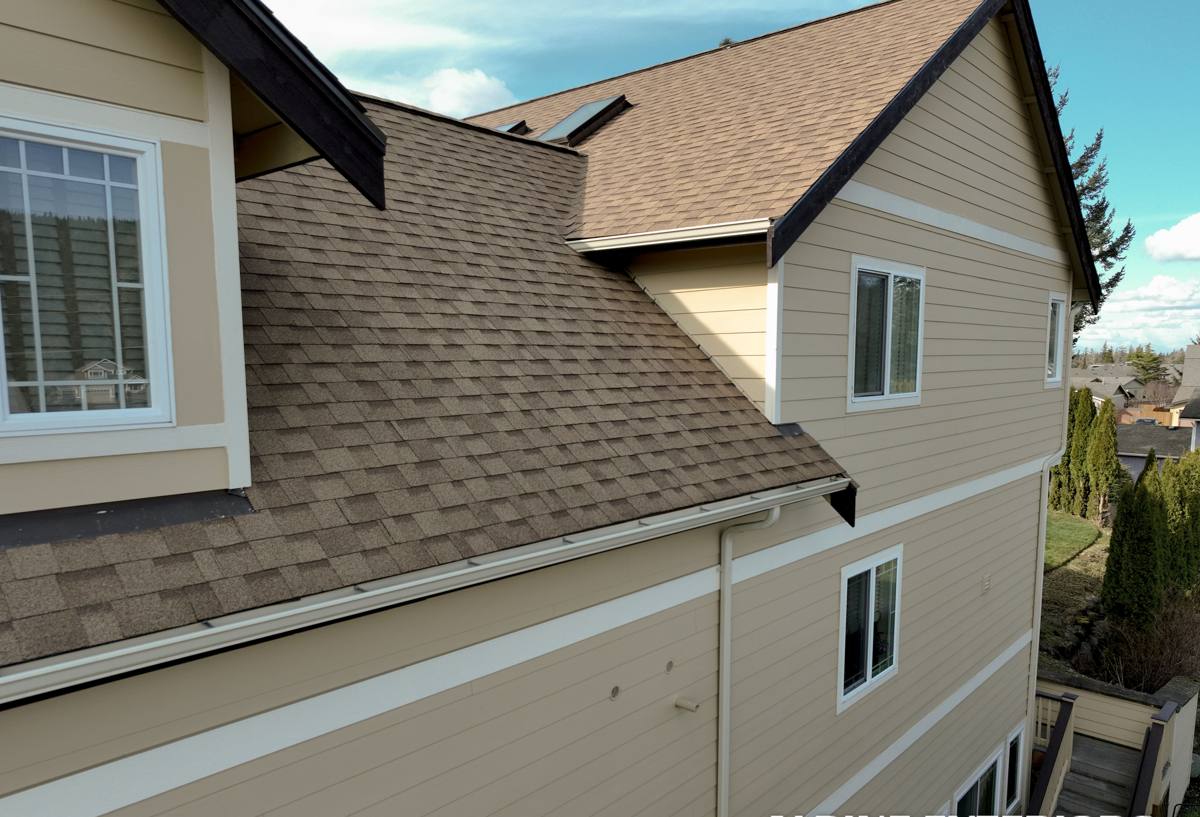
What "Energy-Efficient" Should Mean in This Climate
For homes near Semiahmoo, the ratings that matter most aren't just about keeping heat in during winter — they're about managing moisture and wind pressure at the same time. Three numbers on the label do most of the work:
| Rating | What It Measures | Why It Matters Here |
|---|---|---|
| U-Factor | How much heat escapes through the window | Lower is better for our long, damp heating season |
| SHGC (Solar Heat Gain Coefficient) | How much solar heat passes through the glass | Moderate SHGC helps on the rare sunny day without overheating in summer |
| Air Leakage (AL) | How much air passes through the assembly | Lower AL matters more here because wind off the water pressurizes gaps that would sit quiet inland |
Low-E glass coatings and argon or krypton gas fills between panes are standard on any window worth installing today. What separates a good job from a mediocre one is whether the frame, spacer, and glass package were chosen as a set for a marine-influenced climate, rather than picked off a generic "energy efficient" shelf.
Condensation Resistance Deserves Extra Attention
In a climate with long stretches of cool, humid air, the inside surface of a window can sweat if the glass package and frame don't manage temperature differential well. Persistent condensation on interior glass or, worse, inside the frame cavity, is often the first visible sign that a window's insulating value doesn't match the conditions it's in. This is worth asking about directly when comparing window options — a condensation resistance (CR) rating, where available, tells you more about real-world comfort near the water than the U-factor alone.
Frame Material Matters More With Salt Air in the Mix
Frame choice is where a lot of the long-term performance difference actually lives, and it's more consequential for a Semiahmoo-area home than for one further from the water.
| Frame Type | How It Handles Salt Air & Moisture | Trade-Offs |
|---|---|---|
| Vinyl | Doesn't corrode; welded corners resist water intrusion when installed correctly | Lower-end vinyl can warp under heat/cold cycling if reinforcement is skipped |
| Fiberglass | Very stable, resists corrosion and expansion/contraction well | Higher upfront cost than vinyl |
| Aluminum | Prone to corrosion and thermal transfer near salt air unless thermally broken and properly coated | We're selective about where we recommend it in this environment |
| Wood-Clad | Attractive, but exposed wood or failed cladding seams invite rot in a damp, mossy climate | Requires more diligent maintenance to keep ahead of moisture |
We're not telling homeowners any given material is "bad" — every option above has a place. Our standard is choosing the frame that matches how exposed a particular wall or elevation is to wind-driven rain and salt air, and being upfront when a popular option carries a maintenance burden that doesn't fit a low-maintenance goal.
Installation Is Where Efficiency Is Actually Won or Lost
A high-performance window installed poorly will underperform a mid-range window installed correctly. This is true everywhere, but the margin for error shrinks near the water because wind pressure and driving rain expose flashing mistakes faster than a calm, dry site would.
- Flashing sequenced correctly with the water-resistive barrier so water is directed out, never trapped behind the window
- Sill pan installed under every window opening to catch and drain any moisture that does get past the exterior seal
- Continuous insulation around the rough opening, not just foam sprayed in gaps, to avoid thermal bridging at the frame
- Weep holes and drainage paths left clear and functional, not sealed over or blocked by trim
- Interior and exterior sealant compatible with the frame material and rated for our climate's temperature swings
- Hardware and fasteners rated for corrosion resistance, not standard-grade steel that will rust in salt-influenced air
Every one of these steps is invisible once the trim goes back on. That's exactly why the installer's habits matter more than the brand name on the window itself.
Our Process for Semiahmoo-Area Window Projects
1. On-Site Assessment
We look at each window opening individually — exposure to wind and rain, condition of the existing flashing and sheathing, and any signs of past moisture intrusion around the frame. Homes near the water rarely have uniform exposure on all four sides, so recommendations often differ wall to wall.
2. Product Selection Matched to Exposure
We walk through frame material, glass package, and hardware options against the specific conditions of the home, including honest trade-offs on cost, maintenance, and expected lifespan — not a one-size-fits-all recommendation.
3. Removal and Opening Prep
Old windows come out carefully to protect the surrounding wall assembly. Any rot, damaged sheathing, or failed flashing found underneath gets addressed before a new window goes in — installing a new window over a compromised opening just hides the problem for a few years.
4. Installation and Sealing
Sill pans, flashing, insulation, and sealant go in following the sequence that keeps water moving out and away from the structure, matched to the specific frame and siding type involved.
5. Final Check and Cleanup
We test operation, check seals, and walk the finished openings with the homeowner before calling the job done.
Signs a Semiahmoo Home's Windows Are Falling Behind
- Visible condensation between panes, meaning the seal has failed and the gas fill is gone
- A noticeable draft near the frame on windy days off the water
- Soft trim, discoloration, or a musty smell near window openings, especially on north- or west-facing walls
- Moss or dark streaking building up on sills or trim faster than on the rest of the siding
- Difficulty opening or closing, which often points to a warped or swollen frame
- Rooms near large windows that feel noticeably colder in winter than the rest of the house
What Affects Cost
| Factor | How It Affects the Job |
|---|---|
| Frame material | Vinyl typically costs less upfront than fiberglass; wood-clad runs higher and adds long-term maintenance |
| Number and size of openings | More openings and larger custom sizes increase both material and labor |
| Condition of existing openings | Rot or failed flashing discovered during removal adds repair work before the new window can go in |
| Exposure level | Wind- and rain-exposed elevations near the water may call for upgraded sealing details |
| Glass package | Upgraded low-E coatings or triple-pane options add cost but improve comfort and efficiency |
We give a broad range during the initial conversation and a firm number after the on-site assessment, once we know the actual condition of the openings involved.
Why It Matters That We Already Work This Area
A crew that regularly works Semiahmoo and the broader Ferndale and Whatcom County area has already seen how salt air, wind, and moss-season dampness affect windows over years, not just at install day. That shows up in small decisions — which corner of a house typically takes the worst weather, which frame materials hold up versus which ones need more upkeep near the water, and how to sequence flashing so it actually sheds water in a driving rain rather than just on paper. It also means we're a known, findable crew if a question comes up on a window we installed five years ago, not a name that only shows up for the sale.
Keeping Windows Performing After Installation
Even the right window installed correctly benefits from basic upkeep in this climate. Rinsing salt residue off frames and hardware a few times a year slows corrosion. Keeping weep holes and drainage paths clear of debris and moss prevents water from backing up into the frame. A quick visual check each fall — before the wet season sets in — for any cracking sealant or soft trim can catch a small issue before it becomes a bigger repair.
If you're weighing window options for a home near Semiahmoo, we're happy to take a look and give you a straight, no-pressure estimate. Fill out the form below and we'll walk the property, talk through what actually fits your home's exposure, and give you real numbers to work with.