 Ferndale Siding
 Sandy Point's Waterfront Climate Is Hard on Siding
Sandy Point sits right up against the water, and that location comes with a set of siding problems most inland Ferndale homes never have to deal with. Salt-laden air off the Strait moves through the neighborhood constantly, driving rain comes in sideways during winter storms, and the combination of shade, moisture, and mild temperatures keeps moss and mildew active for most of the year. Siding here isn't just cosmetic — it's the first line of defense against a climate that never really lets up.
Whatcom County gets its share of wet weather everywhere, but waterfront exposure changes the math. Salt air accelerates corrosion on fasteners and trim metal, wind-driven rain finds gaps that would stay dry a mile inland, and homes tucked under trees or facing north hold moisture longer into the season. A siding product and installation that would hold up fine in a dry subdivision inland can fail early on a Sandy Point lot.
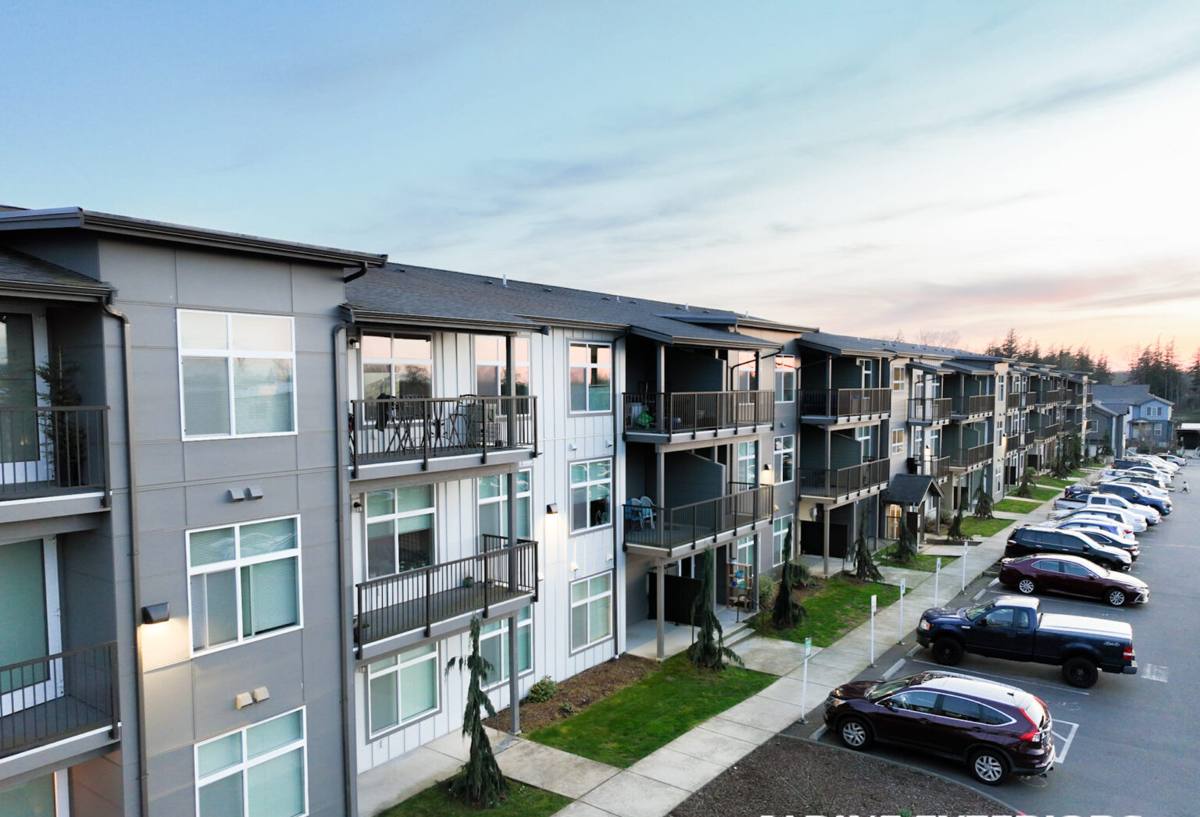
What Sandy Point Homes Actually Need From Their Siding
Moisture Management First
The single biggest factor in siding longevity here isn't the material's color or texture — it's how well the whole assembly manages water. That means a correctly lapped water-resistive barrier behind the siding, properly flashed windows and doors, and a siding product that doesn't swell, rot, or delaminate when it stays damp for days at a time.
Salt and Wind Resistance
Fasteners, trim, and the siding material itself need to shrug off salt exposure without corroding or chalking prematurely. Wind load matters too — homes with open water views often catch more direct wind than a sheltered lot a few blocks inland, which affects fastening schedules and how siding is detailed at corners and edges.
Moss and Organic Growth Resistance
Shaded, damp conditions are exactly what moss and algae need to take hold. Siding that holds moisture at the surface, or that has seams and laps where organic debris can collect, will show green and black staining faster than a product engineered to shed water quickly and dry out between rain events.
Why We Install Only James Hardie Fiber Cement
We don't install vinyl, LP SmartSide, primed wood, or other fiber cement brands, and Sandy Point is exactly the kind of environment that explains why. Vinyl can warp and fade under sun and salt exposure and offers little real protection against wind-driven rain at the seams. Wood and wood-based products need consistent, ongoing maintenance to resist rot and moss in a climate that's damp more months than it's dry. James Hardie's fiber cement is non-combustible, dimensionally stable when wet, and manufactured with a factory-applied ColorPlus finish that's baked on rather than field-painted — which matters a great deal on a home that's going to see salt spray and UV together, year after year.
Hardie's HZ5 product line is engineered specifically for climates like ours — Pacific Northwest damp-freeze conditions with sustained moisture exposure — rather than a one-size-fits-all national spec. That's not a marketing detail; it affects how the board is formulated to resist moisture intrusion and hold its shape over decades on a house like the ones along Sandy Point.
James Hardie also backs its siding with a non-prorated limited warranty that's transferable if the home changes hands, which is a real consideration on a waterfront property where buyers tend to look closely at exterior condition and moisture history. That coverage only means something if the installation followed Hardie's specifications in the first place, which is part of why we install to spec every time rather than cutting corners that would put the warranty at risk.
Comparing Hardie Siding Profiles for a Waterfront Home
Not every Hardie profile makes sense for every home. Here's how the common options stack up for a Sandy Point property:
| Profile | Best Use | Waterfront Considerations |
|---|---|---|
| HardiePlank Lap Siding | Whole-home siding, most common choice | Wide lap spacing sheds wind-driven rain well; smooth or cedarmill texture, both hold the ColorPlus finish equally well |
| HardieShingle | Accent gables, dormers, character homes | More seams than lap siding, so flashing detail at each course matters more in driving rain |
| HardiePanel | Modern or board-and-batten styles | Fewer horizontal laps for water to catch, but vertical joints need careful sealing and battens |
| HardieTrim | Corners, fascia, window and door trim | Matches the siding's expansion behavior; keeps salt-exposed trim from becoming the weak point |
Signs Your Current Siding Is Losing the Battle
Waterfront exposure tends to show wear in predictable places before it becomes an obvious problem. Worth checking for, especially heading into another wet season:
- Soft or spongy spots when you press on siding near the bottom courses or below windows
- Paint or finish that's bubbling, peeling, or chalking faster on walls facing the water than on sheltered walls
- Persistent moss or black staining that comes right back after cleaning
- Visible gaps or separation at trim joints and corners, especially after a windy winter
- Warping, cupping, or waviness in panels, which usually means moisture has already gotten behind the surface
Any one of these is worth a closer look. On their own they don't always mean full replacement is needed, but they do mean the siding, and whatever is behind it, should be inspected before another wet season adds to the damage.
What Affects the Cost of a Sandy Point Siding Project
Every home is different, so we don't quote pricing without seeing the property, but a few factors consistently move the number on waterfront jobs:
| Factor | Why It Matters |
|---|---|
| Tear-off vs. re-side over existing material | Removing old siding adds labor but lets us inspect and repair sheathing and the water barrier underneath, which matters more on a home that's had years of salt and rain exposure |
| Site access | Some Sandy Point lots have tighter access for staging materials and equipment than a standard inland lot |
| Trim and detail complexity | Homes with more windows, dormers, or architectural detail need more flashing and trim work per square foot |
| Existing damage | Rot or moisture damage found once old siding comes off needs to be repaired before new siding goes on, which isn't always visible from the outside beforehand |
| Home size and siding profile | Larger homes and more detailed profiles like HardieShingle take more labor time than a straightforward lap siding job |
What a Correct Installation Involves
Fiber cement siding is only as good as the installation behind it. On a Sandy Point home, we pay particular attention to:
- A continuous, correctly lapped water-resistive barrier with all seams taped or shingled to shed water downward
- Properly flashed and sealed window and door openings, since these are the most common entry points for wind-driven rain
- Manufacturer-specified fastener spacing and embedment, using corrosion-resistant fasteners rated for coastal exposure
- Correct minimum clearance between the siding's bottom edge and roofing, decks, and grade, so moisture has somewhere to go
- Properly caulked and detailed joints at corners and trim, rather than butt joints that open up over time
- Rain-screen or drainage plane detailing where the home's exposure and design call for it
Skipping any one of these doesn't show up as a problem in year one. It tends to show up in year five or ten, as trapped moisture, staining, or siding that's failed from behind while the face still looks fine.
Our Process on Sandy Point Projects
We start with a walk-around of the exterior to look at existing siding condition, trim, flashing, and any moisture damage that's already present — waterfront homes often have wear concentrated in specific spots, like north-facing walls, areas under trees, or low corners near grade, and that tells us where to focus the inspection. From there we put together a scope that covers tear-off, any sheathing repair needed, water-resistive barrier installation, and the Hardie siding and trim package that fits the home.
During the install, we sequence work around the weather rather than pushing through a driving rain event, and we inspect flashing and barrier work before it gets covered, because once siding goes up, that layer isn't visible again for decades. When the job's done, we walk it with the homeowner and go over what regular maintenance looks like for a home in this specific location.
Living With Salt Air and Moss: What Upkeep Actually Looks Like
Correctly installed Hardie siding is low-maintenance, not no-maintenance. In a Sandy Point environment, a little seasonal attention keeps it looking and performing the way it should:
- Rinse the exterior once or twice a year to clear salt residue, especially on walls facing open water
- Keep gutters clear so water isn't overflowing down the siding face during heavy rain
- Trim back vegetation that's shading siding and keeping it damp longer than it needs to be
- Check caulking at trim joints and penetrations every couple of years and re-seal where it's cracked or pulled away
- Address moss or algae staining early with a gentle wash rather than letting it establish and spread
Why It Matters That We Already Work in Sandy Point
A crew that's only ever sided homes a few miles inland doesn't automatically know how to detail a house facing open water, and it shows up in the small decisions — fastener choice, flashing sequence, how tight to run caulk joints that are going to see direct salt spray. Working regularly in and around Ferndale and along the Whatcom County coastline means we already know which walls on a waterfront lot take the worst weather, what the local building and permitting process looks like, and how to plan a project around a site that may have limited access or tighter setbacks near the water.
That local familiarity doesn't replace a proper inspection of your specific home, but it does mean fewer surprises during the project and a scope of work that's realistic from the first estimate.
If your Sandy Point home's siding is showing wear, or you're planning ahead for a re-side before another wet season sets in, we're happy to take a look and put together a straightforward, no-pressure estimate. Use the form below to get started.