 Ferndale Siding
 Roofing in Sumas: A Different Set of Demands
Sumas sits at the edge of Whatcom County where the Fraser Valley narrows toward the Canadian border, and that geography matters for roofs. Homes here take on more than the general Pacific Northwest wet season — this stretch of the county sees driving rain pushed sideways by wind funneling down the valley, long stretches of damp shade that never fully dry out, and a moss season that can run eight months or more depending on the year. A roof that would hold up fine in a drier inland climate can fail early here if it wasn't built for these specific conditions.
We install roofs throughout Whatcom County from our base in Ferndale, and Sumas jobs get the same attention to detail as everywhere else: correct materials, correct flashing, correct ventilation. This page covers what a new roof installation actually involves, what holds up locally, and what to expect if you're planning one.
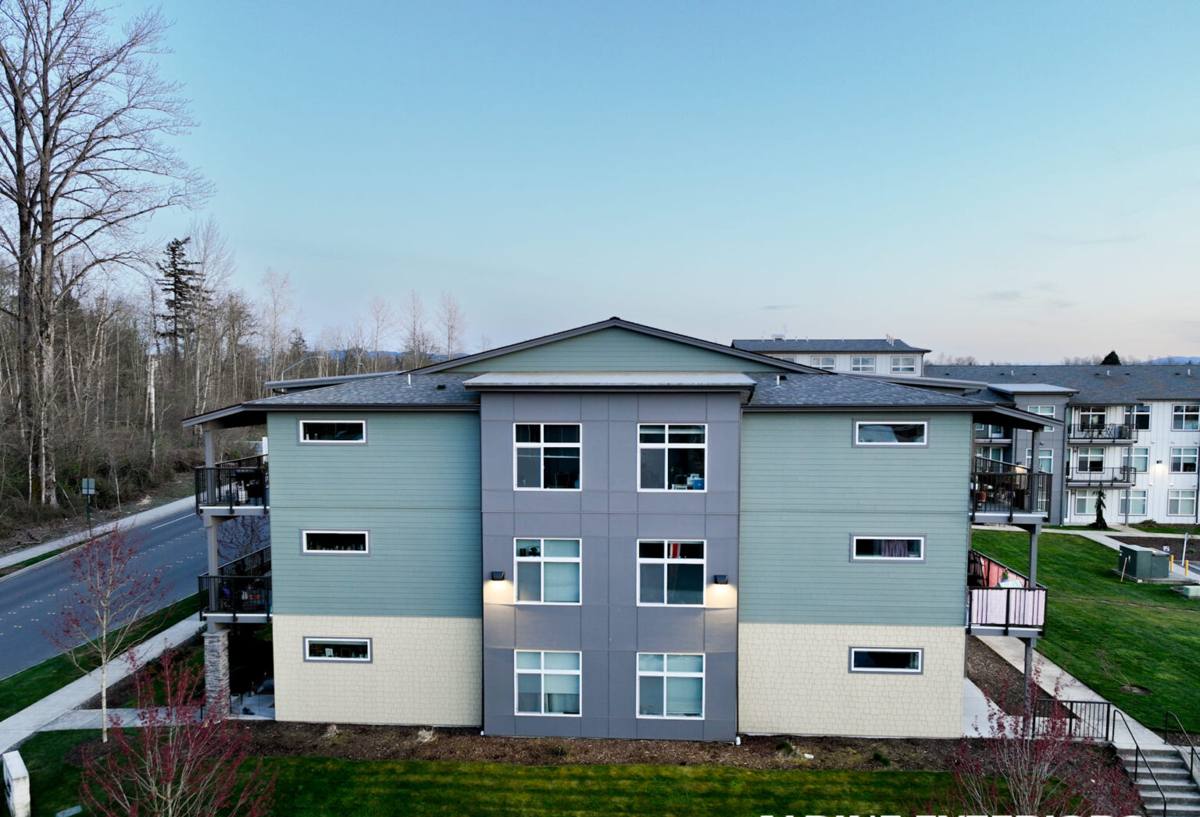
Signs a Sumas Roof Needs Replacement, Not Repair
Not every roofing problem calls for a full tear-off. But there's a point where patching becomes a waste of money, and homeowners in this area often reach that point without realizing it because the damage happens slowly, under moss and moisture, out of sight.
- Shingles that are cupping, curling, or losing granules in patches rather than evenly
- Moss growth that's thick enough to hold water against the roof surface rather than just staining it
- Soft or spongy spots underfoot when walking the roof, which usually means the decking underneath is wet
- Daylight visible through the roof deck from inside the attic, or water stains on attic framing
- A roof original to the house and past 20-25 years old, even if it "looks okay" from the ground
- Repeated leak repairs in different spots each year instead of one recurring, fixable issue
If you're seeing two or more of these, it's worth having someone look at the whole roof system rather than chasing individual leaks.
What a Correct Roof Installation Actually Involves
A new roof is more than shingles. In a climate that stays wet as long as this one does, the layers underneath the visible surface are what actually keep water out over the long run.
Tear-Off and Deck Inspection
We remove the old roofing down to the deck rather than layering over it. This lets us actually see the plywood or sheathing underneath — which matters here, because moisture trapped under old shingles for years can rot decking in ways that aren't visible until it's exposed. Any soft or delaminated sections get replaced before anything new goes down.
Underlayment and Ice-and-Water Barrier
Underlayment is the roof's backup layer if wind-driven rain gets past the shingles, and given how often wind pushes rain sideways in this part of the county, it's not a place to cut corners. We use self-adhering ice-and-water shield at eaves, valleys, and around every penetration — the spots where roofs actually leak — with synthetic underlayment across the rest of the field.
Flashing
Flashing around chimneys, skylights, vent pipes, and wall intersections is where the majority of real-world roof leaks originate, not the open field of shingles. We install new flashing on every replacement rather than reusing old pieces, since bent, rusted, or improperly lapped flashing is a common cause of leaks that show up a year or two after a "new" roof.
Ventilation
A roof needs to breathe. Poor attic ventilation traps moisture, which speeds up moss growth on the roof surface and can lead to rot and mold inside the attic — a bigger problem in a climate this damp than in drier regions. We check and correct intake and exhaust ventilation as part of every installation, not as an upsell afterward.
Material Comparison for This Climate
| Material | Typical Lifespan | Moss/Moisture Behavior | Notes for This Area |
|---|---|---|---|
| Architectural asphalt shingle | 25-30 years | Good with proper ventilation; can hold moss without regular cleaning | Most common choice locally; wide range of quality tiers |
| Standing seam metal | 40-50+ years | Sheds water and moss very well; smooth surface resists buildup | Higher upfront cost, handles wind-driven rain especially well |
| Synthetic/composite shingle | 30-50 years | Resists moisture absorption better than wood or standard asphalt | Good middle option where budget and longevity both matter |
| Cedar shake | 20-30 years with upkeep | Absorbs moisture, needs regular treatment to resist rot and moss | Requires more maintenance in a climate this consistently damp |
We'll talk through trade-offs honestly rather than pushing one product. Cedar shake, for example, can look great, but it demands more upkeep in a climate that stays wet this long — that's a maintenance conversation, not a knock on the material itself.
Our Installation Process
- On-site assessment — we inspect the existing roof, decking condition, ventilation, and any problem areas (valleys, chimneys, low-slope sections) before quoting anything.
- Written estimate — a clear breakdown of materials, scope, and price, so there are no surprises once work starts.
- Scheduling around weather — we plan installation windows with the local forecast in mind; a roof torn off in the middle of a wind-driven rain event is a problem we avoid by planning ahead.
- Tear-off and deck repair — old roofing removed, decking inspected and replaced where needed.
- Underlayment, flashing, and material installation — installed to manufacturer spec, not shortcuts.
- Ventilation check and correction — confirmed as part of the job, not billed as a surprise add-on.
- Final walkthrough and cleanup — magnetic sweep for nails, debris hauled off, and a walkthrough so you know exactly what was done.
Cost Factors for a New Roof in Sumas
Every roof is different, so we don't quote a number without seeing the job — but the main variables that move price up or down are consistent:
| Factor | Effect on Cost |
|---|---|
| Roof size and number of facets/valleys | More cuts and seams mean more labor and material |
| Existing layers to remove | Tear-off of multiple old layers adds disposal and labor cost |
| Deck condition | Rotted or soft decking needs replacement before new roofing goes down |
| Roof pitch and access | Steeper or harder-to-access roofs require more safety setup and time |
| Material choice | Standing seam metal costs more upfront than asphalt shingle; lifespan differs accordingly |
| Ventilation or structural corrections needed | Fixing inadequate ventilation adds a modest cost but prevents future problems |
Broadly, a full asphalt shingle replacement on an average single-family home runs in the moderate range typical for the region, with metal roofing costing meaningfully more upfront in exchange for a much longer service life. We'll give you real numbers once we've actually seen your roof.
Moss, Algae, and What Keeps a Roof Lasting
Given how long the moss season runs here, ongoing care matters as much as the initial installation. A few habits go a long way:
- Keep gutters clear so water isn't sitting against the roof edge during heavy rain
- Trim back overhanging branches that keep sections of the roof shaded and damp
- Have moss physically removed rather than pressure-washed, which can strip granules and shorten shingle life
- Check flashing and sealant around penetrations every year or two, since these are the first spots to fail
- Confirm attic ventilation is still working — blocked vents are a common, invisible cause of premature roof failure
None of this replaces a properly installed roof, but it extends the life of one considerably in a climate that doesn't give roofs much of a break.
Why Hire a Crew That Already Works in Sumas
A roofer who mainly works drier inland markets can still do competent work, but they're less likely to default to the underlayment coverage, flashing details, and ventilation corrections that matter most where wind-driven rain and long moss seasons are the norm rather than the exception. We work across Whatcom County, including Sumas, regularly enough to know which details aren't optional here — and we carry the licensing and insurance a homeowner should confirm before signing with anyone.
We're also close by. Being based in Ferndale means a shorter drive for follow-up questions, warranty visits, or a quick look at something that concerns you after the job is done — not a crew that disappears once the invoice is paid.
Get a Free Estimate
If your Sumas home needs a new roof or you're not sure whether it does, we're glad to take a look. Estimates are free, there's no pressure, and you'll get a straight answer about whether you need a full replacement or just a repair. Use the form below to get started.