 Ferndale Siding
 Why Lummi Nation Homes Need a Siding System Built for This Coastline
Lummi Nation's peninsula location, out on the water west of Ferndale, puts homes there in one of the harder exposure zones in Whatcom County. Salt-laden air moves in off Bellingham Bay and the Strait more consistently than it does further inland, rain arrives wind-driven instead of falling straight down, and shaded, damp terrain keeps moss and mildew active for most of the year. Siding on a property like this isn't just a cosmetic layer — it's the first line of defense against three things working on it at once: corrosion, water intrusion, and sustained organic growth. This page is specifically about James Hardie fiber cement siding and what installing it correctly on a Lummi Nation home actually involves, from product selection through the details that determine whether it holds up for decades or starts showing problems in a few years.
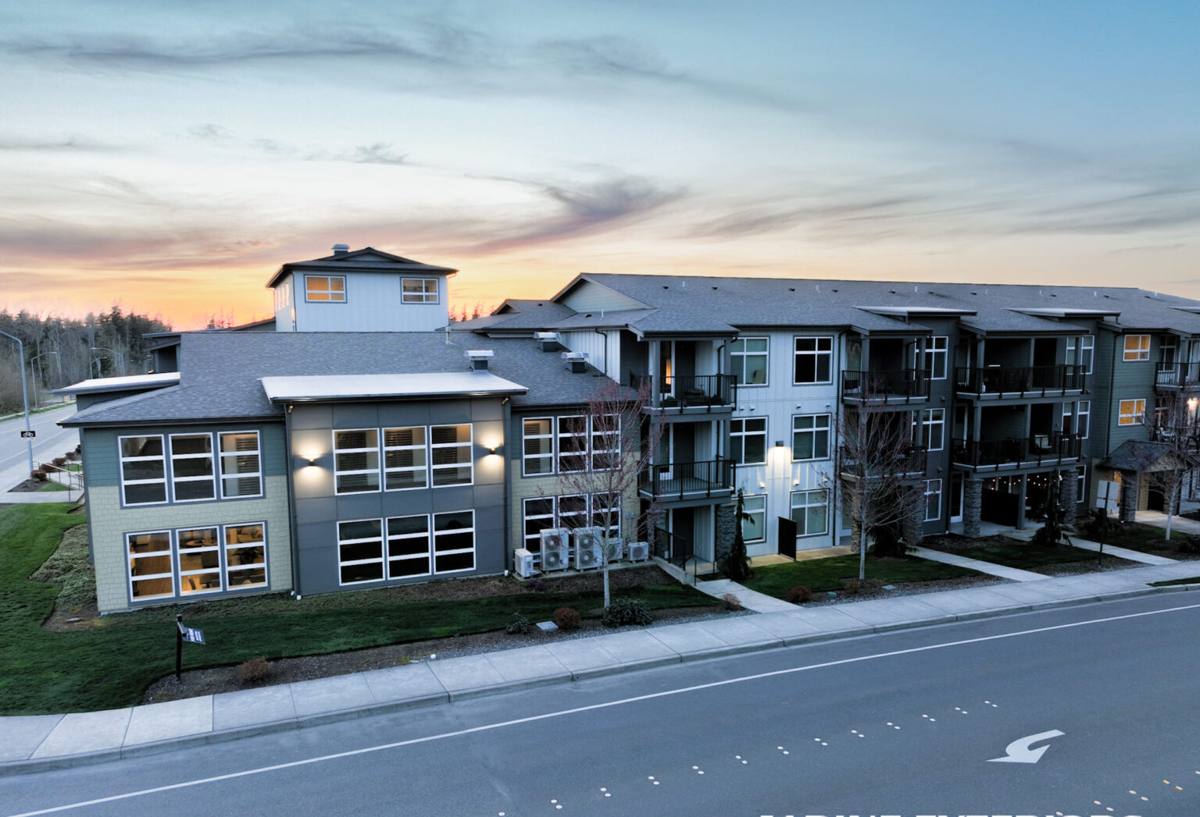
The James Hardie System We Install
We install James Hardie fiber cement siding exclusively, and for a property in this location the case for it is more than a general preference — it's a direct response to the exposure described above.
A Non-Combustible, Cement-Based Core
Hardie siding is made from a mixture of cement, sand, and cellulose fibers, which gives it a core that doesn't feed a fire the way wood-based or wood-derived siding can. That matters for household safety and can matter for insurance underwriting as well.
HZ5 — Engineered for Regions Like This One
Hardie makes region-specific formulations, and the HZ5 line is built for climates with heavy, sustained moisture exposure and freeze-thaw cycling. A Lummi Nation property, with its combination of salt air, driving rain, and a long wet season, is a closer match for HZ5 than for Hardie's formulations built for drier inland climates, and we spec it accordingly rather than defaulting to a one-size-fits-all product.
ColorPlus Factory Finish
Most Hardie products are available with a factory-applied ColorPlus finish, baked on under controlled conditions before the boards ever reach the job site. That finish holds color and resists chalking, fading, and salt-related degradation far longer than field-applied paint, which matters more here than in a calmer, drier part of the county because salt air accelerates the breakdown of lower-grade coatings.
Choosing the Right Hardie Profile for a Lummi Nation Home
James Hardie makes several distinct products, and picking the right one is about more than appearance — profile affects how water sheds off the wall and how the assembly behaves under wind-driven rain.
HardiePlank Lap Siding
The most common choice for a full re-side. Horizontal lap boards overlap in a way that's proven at shedding water, and they come in a range of widths and textures (smooth or cedar-grain) to match different architectural styles.
HardieShingle
A shingle profile for homes going for a more traditional or coastal look. It sheds water differently than lap siding because of the additional exposed edges, so flashing and coursing detail matter more with this profile, particularly on a wall that takes direct, wind-driven rain.
HardiePanel and Board-and-Batten
Vertical panel siding with batten strips over the seams, often used as an accent or on portions of a home for a more modern or farmhouse look. Seam and batten placement is critical here, since vertical siding relies more heavily on correctly lapped and sealed joints to keep water from tracking down behind the panel.
Trim, Fascia, and Soffit
Hardie trim boards are typically installed alongside the siding at corners, window and door surrounds, and fascia. Matching trim material to the siding avoids the mismatched expansion and moisture behavior that happens when fiber cement siding is paired with a different trim material that reacts differently to the same weather.
Color Selection for Salt Air and a Long Moss Season
Color choice on a Lummi Nation home carries a little more weight than it does on a sheltered inland property, mostly because of how it interacts with moss, staining, and heat.
| Color Consideration | What It Affects | Why It Matters Here |
|---|---|---|
| Darker tones on shaded/north-facing walls | Visibility of moss and mildew staining | Peninsula shade and moisture keep those walls damp longer, and dark colors show streaking differently than light ones |
| Light tones on sun-exposed elevations | Heat absorption and finish longevity | Reduces thermal cycling stress on the finish, though ColorPlus is engineered to handle either |
| ColorPlus factory finish vs. field-applied paint | Long-term color retention | Salt air breaks down field-applied paint faster than a factory-cured finish |
| Trim-to-siding color contrast | How wear and staining show over time | High-contrast trim can make early moss or salt staining more visible, which some owners prefer for easier upkeep tracking |
There's no single "correct" color for this exposure — it's a real trade-off between appearance preference and how forgiving a given tone is about showing the moss and staining that this climate will eventually produce on any exterior surface. We walk homeowners through actual ColorPlus samples on-site rather than relying on a screen, since lighting near open water can shift how a color reads.
What Correct Installation Involves on a Property Like This
Material choice only gets a Lummi Nation home halfway there. The rest comes down to installation detail, and on a property that takes more wind and more direct rain than most, shortcuts here show up faster than they would somewhere calmer.
Grade Clearance and Drainage Planning
Hardie specifies minimum clearance between the bottom of the siding and grade, decking, and roof lines. On low-lying or peninsula lots where standing water and splash-back are more common, getting that clearance right — and making sure drainage actually moves water away from the foundation — matters more than the spec sheet number alone suggests.
House Wrap, Flashing, and the Weather-Resistive Barrier
Fiber cement siding is not itself a waterproofing system — it's a durable exterior skin over a house wrap and flashing assembly that's actually responsible for keeping bulk water out. Window and door flashing, kick-out flashing at roof-wall intersections, and properly lapped house wrap all have to be done correctly underneath the siding, or wind-driven rain will find its way past even a perfectly installed Hardie board.
Fastening Pattern for Wind Exposure
Homes closer to open water see stronger, more sustained wind than homes tucked further inland, and fastening pattern and fastener spacing need to reflect that. Under-fastened siding on an exposed lot is one of the more common causes of boards working loose or lifting during a strong winter storm system off the water.
Joint and Seam Treatment
Butt joints, corners, and panel seams need to be properly lapped, backed with flashing tape, or sealed per Hardie's installation instructions — not just caulked over and left. Caulk alone is a maintenance item that fails over time; correct joint construction is what actually keeps water out for the long run.
Our Process, Start to Finish
- On-site walk-through: We look at the existing siding, trim, flashing, and any visible moisture damage before recommending anything.
- Honest scope assessment: We tell you whether you're looking at repair, partial replacement, or a full re-side, and why.
- Product and color selection: We go over profile options (lap, shingle, panel) and ColorPlus samples on-site.
- Written estimate: A clear, itemized estimate with no pressure to sign on the spot.
- Tear-off and substrate inspection: Old siding comes off and sheathing is checked for hidden rot before anything new goes on.
- House wrap, flashing, and installation to spec: Correct clearances, fastening, and joint treatment throughout.
- Final walk-through: We review the finished work with you before calling the job complete.
The Warranty — What It Actually Covers
James Hardie backs its siding products with a transferable warranty, which gives a homeowner real, manufacturer-backed protection rather than just a sales claim. But that warranty is conditioned on installation following Hardie's published instructions — clearance, fastening, and flashing details included. An installer who skips those steps to save time on a job can leave a homeowner with a warranty that looks solid on paper but doesn't actually apply if a problem shows up later. We install to spec specifically so that warranty means something if you ever need it.
What to Ask Before Hiring for a James Hardie Installation Here
- Are they a factory-trained or certified Hardie installer, and can they explain the clearance and fastening specs for your specific property?
- Do they carry current Washington contractor licensing and insurance, and will they provide proof without being asked twice?
- Will they inspect and address sheathing or framing damage found during tear-off, or just cover it over with new siding?
- Do they adjust their approach for wind exposure and moisture on a waterfront or peninsula lot, or use the same spec everywhere?
- Do they explain the ColorPlus warranty terms clearly, including what would void it?
- Can they show you real board samples in the finish colors you're considering, not just a printed swatch?
Why a Crew That Already Installs Hardie on Lummi Nation Homes Matters
Fiber cement siding performs consistently as a material, but installation quality is what actually determines how a Lummi Nation home holds up over the next twenty or thirty years. A crew that already works this stretch of coastline knows which wall orientations stay wet longest, where extra flashing attention pays off, and which fastening details are worth the added time so you're not dealing with a callback after the next winter storm off the water. That's a different level of judgment than applying a generic inland install spec to a property that takes a heavier, more constant version of the exposure the rest of Whatcom County only sees occasionally.
If you're considering James Hardie siding for a Lummi Nation home, we're glad to walk the property, talk through product and color options, and give you a straightforward, no-pressure estimate using the form below.