 Ferndale Siding
 Roofing on the Lummi Peninsula Is a Different Job
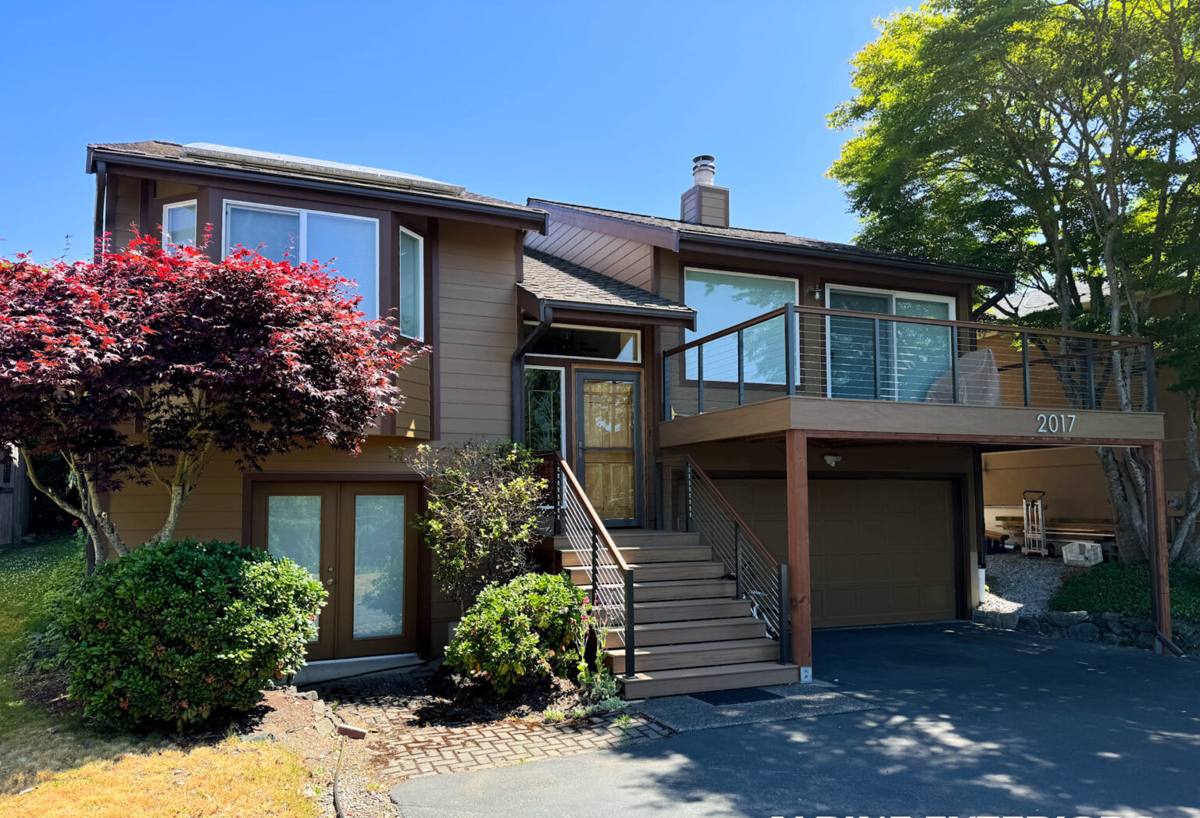
Homes on and around Lummi Nation sit close to the water, and that changes what a roof has to survive. You've got salt-laden air coming off Bellingham Bay and Hale Passage, wind-driven rain that hits low-slope and shallow-pitch roofs from angles a typical asphalt shingle warranty was never tested for, and enough shade and moisture from surrounding tree cover to keep moss growing nearly year-round. A roof that would last 25 years in a dry inland climate can show real wear in half that time out here if it wasn't built for this specific exposure.
This page is about one job: replacing a roof on a Lummi Nation home, done the way this location actually demands. Not a generic re-roof with generic materials — a roof selected and installed with salt air, driving rain, and moss in mind from the first material decision to the last nail.
Why Salt Air, Rain, and Moss Take a Harder Toll Here
Salt Air and Metal Corrosion
Salt in the air accelerates corrosion on anything metal on your roof — flashing, fasteners, vents, gutters. Standard electro-galvanized fasteners can start rusting years before they would inland, and once a fastener corrodes, the seal around it fails long before the shingle field around it looks worn. This is one of the most common causes of early leaks we find on waterfront and near-waterfront homes, and it's almost entirely avoidable with the right hardware from day one.
Driving Rain and Wind Exposure
Open exposure off the water means rain doesn't always fall straight down — it drives sideways under eaves, around ridge caps, and into any gap in flashing or underlayment. A roof built to a minimum-code standard will shed straight-down rain fine and still leak in a January wind event. The underlayment system and flashing details matter more here than the shingle brand on top of them.
Moss and Shaded Roof Sections
Whatcom County's wet, mild climate is moss-friendly everywhere, but shaded roof sections near tree lines hold moisture longer and grow moss faster. Moss isn't just cosmetic — it lifts shingle edges, holds water against the roof deck, and works its way under tabs and around fasteners. Left unmanaged for a few seasons, it shortens the life of an otherwise sound roof.
Signs Your Roof Is Ready for Replacement
- Granule loss showing up in gutters or at downspout outlets, especially after wind or heavy rain
- Shingles that are curling, cupping, or cracking, particularly on south- and west-facing slopes
- Moss or dark streaking covering more than a small patch, especially on shaded north-facing sections
- Soft spots or sagging when walked, which usually means deck damage underneath
- Rusted or lifting flashing around chimneys, vents, or roof-to-wall transitions
- Daylight visible through the roof deck from inside the attic
- Repeated patch repairs in the same area over the last few years
One or two of these on their own might mean a repair is enough. Several together, especially on a roof already past 15-20 years, usually means repairs are just delaying a full replacement — and often at a higher total cost than doing the job once, correctly.
Choosing the Right Roofing Material for This Location
There's no single "best" roofing material — there's a best fit for your home's exposure, roof pitch, budget, and how long you plan to own the property. Here's how the common options actually perform in a salt-air, high-moisture environment like this one.
| Material | Salt Air Performance | Moss Resistance | Typical Lifespan Here |
|---|---|---|---|
| Architectural asphalt shingle | Good with corrosion-resistant fasteners and flashing | Moderate — benefits from zinc/copper strips and clean gutters | 20-25 years |
| Standing seam metal | Very good with marine-grade coatings and fasteners | Excellent — sheds moisture, little surface for moss to grip | 40-50+ years |
| Composite/synthetic shake | Good, low corrosion risk in the material itself | Moderate — depends on installation detailing | 30-40 years |
| Basic 3-tab asphalt shingle | Fair — more sensitive to wind-driven rain at low cost | Lower — thinner profile holds less protection margin | 15-18 years |
We'll walk you through which of these actually makes sense for your roof's pitch, sun exposure, and budget rather than pushing one product across every home. A steep, sun-exposed roof and a shaded, shallow-pitch roof on the same street can have different right answers.
What a Correct New Roof Installation Actually Involves
Tear-Off and Deck Inspection
Every job starts with a full tear-off to bare deck — not a layover. That's the only way to actually see what's underneath: soft or rotted sheathing, old leak damage, or ventilation problems that a new layer of shingles would just seal in. Any damaged decking gets replaced before anything new goes down.
Underlayment Built for Wind-Driven Rain
Given the exposure here, we don't treat underlayment as an afterthought. Self-adhered ice-and-water membrane goes at eaves, valleys, and around every penetration — the spots where wind-driven rain actually gets in — with synthetic underlayment across the rest of the field for consistent water resistance under the shingle or metal layer.
Flashing and Fasteners That Won't Corrode
Given the salt exposure, we use corrosion-resistant flashing and fasteners as standard on these jobs, not as an upgrade option. Chimney, wall, and valley flashing get formed and sealed properly rather than caulked as a shortcut — caulk is a maintenance item, not a flashing detail.
Ventilation That Matches the Roof
Balanced intake and exhaust ventilation keeps moisture from building up in the attic, which matters even more in a humid, rain-heavy climate. Poor ventilation traps moisture that condenses on the underside of the deck — and that moisture is what feeds rot and mold long before it ever shows up as a visible leak.
Our Installation Process
- On-site assessment — we inspect your current roof, attic ventilation, and any problem areas, and talk through what your home's exposure actually calls for.
- Material and scope walkthrough — a clear, honest comparison of material options and what each will cost and how each will hold up, no pressure toward the most expensive option.
- Written estimate — a defined scope of work, materials, and price before anything is scheduled.
- Full tear-off and deck repair — bare deck inspection, with any rot or damage repaired before new materials go down.
- Underlayment, flashing, and roofing installation — installed to the standard this climate requires, not the minimum code allows.
- Final walkthrough — we go over the finished roof, ventilation, and any maintenance recommendations with you directly.
Managing Moss and Protecting Your Investment Long-Term
A new roof installed correctly will resist moss far better than an aging one, but no roof in this climate is entirely moss-proof forever. A few habits make a real difference in how long your new roof performs at its best:
- Keep gutters clear so water isn't sitting against the roof edge, especially through fall and winter
- Trim back overhanging branches where possible to reduce shade and debris buildup on the roof
- Have moss growth addressed early with proper roof-safe treatment rather than left to spread
- Schedule a periodic roof check-up, particularly after major wind or rain events
These are small things, but they're the difference between a roof that reaches the top end of its expected lifespan and one that needs early attention because moss or debris was left to sit.
Why Hiring a Crew That Already Works This Area Matters
A roofing crew that hasn't worked waterfront and near-waterfront homes in Whatcom County will often default to standard practices that are fine for a drier, more sheltered location — and fall short here. Knowing which fastener grade to use, where wind-driven rain actually gets in on this kind of exposure, and how much moss pressure a given roof section will face isn't something you learn from a manual. It's something you learn by doing this specific work, on this specific coastline, over and over.
We've built our process around what actually fails on roofs in this area — not around what fails on roofs somewhere with a milder, drier climate. That's the difference between a roof that needs attention in year eight and one that's still doing its job in year twenty-five.
What Affects the Cost of a New Roof
| Cost Factor | Why It Matters |
|---|---|
| Roof size and pitch | More surface area and steeper or more complex pitches mean more labor and material |
| Material choice | Asphalt, metal, and composite options span a wide price range and lifespan |
| Deck condition | Rot or damage found during tear-off requires repair before installation continues |
| Roof complexity | Valleys, dormers, chimneys, and multiple roof planes add labor and flashing work |
| Ventilation upgrades | Adding or correcting intake/exhaust ventilation if the current system is inadequate |
| Access and site conditions | Waterfront lots, steep driveways, or limited staging space can affect labor time |
We give you a written, itemized estimate before any work starts, so you know exactly what you're paying for and why — no vague lump-sum numbers and no surprise add-ons once the tear-off starts.
Ready for a Straight Answer on Your Roof?
If your roof is showing its age, or you just want an honest read on how much life it has left, we're glad to take a look. There's no pressure and no obligation — just a clear assessment of what your roof needs and what a correct replacement would involve for your home's specific exposure. Use the form below to request a free estimate, and we'll walk the roof with you and answer your questions in plain language.