 Ferndale Siding
 Why Point Roberts Roofs Wear Differently
Point Roberts sits in a strange spot — cut off from the rest of Washington by geography, surrounded by water on three sides, and exposed to weather patterns that hit harder than they do just a few miles inland in Ferndale or Bellingham. If you've owned a home out here for more than a few years, you already know your roof takes a beating that a typical Whatcom County house doesn't. Salt-laden air off the Strait of Georgia and Boundary Bay works its way into fasteners, flashing, and metal components year-round. Driving rain off the water finds every weak seam. And the long, damp shoulder seasons here grow moss faster than almost anywhere else in the county.
A roof installed with generic materials and a generic approach might look fine for the first year or two. Out on the Point, that's often when problems start. We install roofs specifically built to handle this peninsula's combination of salt exposure, wind-driven rain, and moss pressure — not a standard package pulled off the shelf for a subdivision forty minutes inland.
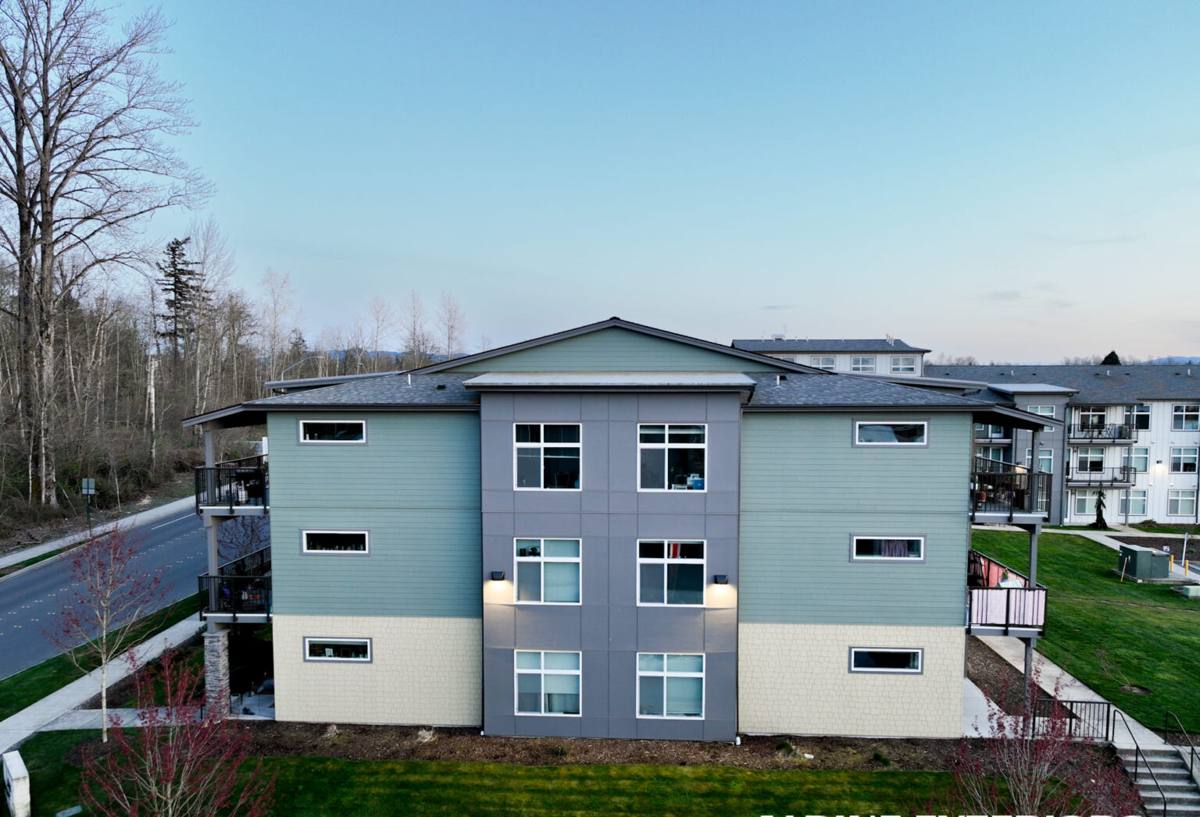
What Point Roberts Weather Actually Does to a Roof
Salt Air and Corrosion
Salt in the air isn't just a coastal nuisance — it's chemically aggressive toward metal. Nails, flashing, vent boots, and drip edge all corrode faster near saltwater than they do in landlocked parts of the county. Once corrosion starts at a fastener or flashing seam, it doesn't stay put. It spreads, weakens the hold, and eventually opens a path for water. This is one of the most common reasons we see roofs on the Point fail years before their rated lifespan, even when the shingles themselves still look presentable from the ground.
Driving Rain and Wind-Driven Water
Point Roberts catches wind and rain coming off open water with very little to slow it down. That means rain doesn't just fall straight down here — it drives sideways under eaves, up under shingle tabs, and into any gap in flashing that wouldn't be a problem in a more sheltered location. Roofs here need underlayment and flashing detail that assumes water will try to travel uphill and sideways, not just downward.
Moss and Prolonged Moisture
Whatcom County's wet season is long, and Point Roberts' marine exposure keeps roofs damp even longer than most of Ferndale. Moss and lichen take hold in shaded valleys, north-facing slopes, and anywhere debris collects. Left alone, moss holds moisture against the roofing material, lifts shingle edges, and accelerates granule loss. A roof that isn't designed and maintained with moss pressure in mind will show premature wear in exactly the spots you'd expect: north slopes, under overhanging trees, and along shaded ridgelines.
What a Correctly Installed Roof Looks Like Out Here
A new roof for a Point Roberts home isn't just "shingles on plywood." Every layer matters, and a few of them matter more here than they would on a typical inland Ferndale property.
- Corrosion-resistant fasteners and flashing rated for coastal/salt-air exposure, not standard-grade hardware
- A synthetic underlayment with strong wind-driven-rain performance, properly lapped and sealed at every penetration
- Ice-and-water shield or equivalent self-adhering membrane at eaves, valleys, and any low-slope transition where water can pool or back up
- Flashing detail at every wall intersection, chimney, skylight, and vent designed to shed water moving sideways, not just straight down
- Proper attic and roof-deck ventilation, since trapped moisture behind a new roof causes rot and mold regardless of how good the surface materials are
- A roofing material and color chosen with moss resistance and long-term maintenance in mind for the site's specific shade and slope conditions
Skip any one of these and the roof may still pass a quick visual inspection at installation — but it won't hold up the way it should against what the Point actually throws at it over the next 10, 20, or 30 years.
Ventilation Deserves Special Attention Here
We see more ventilation problems on Point Roberts roofs than almost any other issue, and it's rarely obvious from the ground. Marine air carries more moisture, and homes here often have less airflow through the attic than they need. A new roof installation is the right time to correct intake and exhaust ventilation — balancing soffit vents with ridge or box vents so moist air actually moves through the attic instead of condensing against the underside of the new roof deck.
Choosing the Right Roofing Material for the Point
There's no single "best" roofing material for every home — it depends on your roof's slope, sun/shade exposure, budget, and how much long-term maintenance you want to take on. What we can tell you honestly is how the common options perform under Point Roberts conditions specifically.
| Material | Salt Air Behavior | Moss Resistance | Typical Lifespan Here |
|---|---|---|---|
| Architectural asphalt shingle | Good with corrosion-resistant fasteners and flashing | Moderate — benefits from algae/moss-resistant granules | 20-30 years with proper install and upkeep |
| Standing seam metal | Requires marine-grade coatings/fasteners; excellent if specified correctly | Very good — sheds moss more easily than textured surfaces | 40-50+ years |
| Composite/synthetic shake | Good — minimal metal exposure in the field of the roof | Good with proper ventilation | 30-50 years |
| Cedar shake | Requires more maintenance near salt air to prevent premature weathering | Lower — retains moisture, needs regular treatment | Varies widely with maintenance |
We're honest with clients about trade-offs. Cedar shake has real appeal, but it holds moisture and needs consistent upkeep to perform well in a damp, salt-exposed environment — that's a maintenance commitment more than a defect, and we'll tell you that upfront rather than oversell it. Metal roofing has a higher upfront cost but a very long service life out here if the fastener and coating spec is right. Most Point Roberts homeowners land on architectural asphalt or composite shake as the best balance of cost, appearance, and durability for this climate.
Our Process for a Point Roberts Roof Replacement
1. On-Site Assessment
We inspect the existing roof, decking, ventilation, and flashing in person. On the Point, we're specifically looking for salt-related corrosion, moss buildup patterns, and any signs of wind-driven water intrusion around walls, chimneys, and skylights.
2. Deck Inspection and Repair
Once the old roofing is off, we check the deck itself. Prolonged moisture exposure can soften or rot sections of sheathing that weren't visible from above. Any compromised decking gets replaced before a single new shingle or panel goes down — installing over bad decking just hides a problem, it doesn't fix it.
3. Underlayment and Flashing Detail
This is where a coastal installation earns its keep. We install underlayment rated for wind-driven rain, self-adhering membrane at vulnerable transitions, and corrosion-resistant flashing at every penetration and wall intersection.
4. Ventilation Correction
We balance intake and exhaust ventilation to match your attic's actual size and airflow needs, correcting any existing imbalance rather than just replicating what was there before.
5. Roofing Material Installation
Your chosen material goes on with manufacturer-specified nailing patterns and exposure, adjusted for the wind exposure typical of this location.
6. Final Walkthrough
We walk the finished roof and the site with you, cover what maintenance to expect given the local climate, and answer any questions before we consider the job complete.
Why Local Experience on the Point Actually Matters
Point Roberts is geographically isolated from the rest of Whatcom County, and that isolation shapes how a roofing job needs to run — not just what materials go on it. A crew that regularly works this area understands the border-crossing logistics for materials and equipment, knows which neighborhoods sit most exposed to wind off the water, and has already seen how salt air and moss behave on roofs here over multiple seasons. That's different from a crew that installs a roof out here once and moves on.
We've built our process around the realities of Whatcom County's marine-influenced climate generally, and Point Roberts' more exposed conditions specifically. That means showing up with the right fasteners, the right flashing approach, and realistic expectations about maintenance — not a one-size-fits-all package designed for a sheltered inland lot.
Maintenance That Extends Your New Roof's Life
A correctly installed roof still needs some ongoing attention out here, especially with moss and salt in play.
- Schedule moss and debris removal on a regular cadence, especially on shaded or north-facing slopes
- Keep gutters and downspouts clear so water isn't backing up under eaves during driving rain
- Have flashing and fastener areas visually checked periodically for early corrosion, particularly after severe wind events
- Trim back overhanging branches that shade sections of the roof and slow drying after rain
- Address small leaks or lifted shingle edges quickly — on the Point, small problems get worse faster than they would inland
Get a Straightforward Look at Your Roof
If your Point Roberts home has a roof that's aging, showing moss buildup, or just due for replacement, we're happy to take a look and give you an honest read on what it needs — no pressure, no upsell. Request a free estimate using the form below and we'll walk you through your options in plain terms.