 Ferndale Siding
 Roof Repair in Kendall: Built for What This Climate Actually Does
A roof in Kendall doesn't fail the way a roof does in a dry climate. It doesn't usually blow off in one dramatic storm or crack open from heat. It wears down slowly, one wet season at a time, through a combination of moisture, moss, and wind-driven rain that finds every weak seam a roof has. If you own a home in this part of Whatcom County, you already know the pattern: gray skies for months, a few hard windstorms off the water, and just enough salt-tinged air moving inland to accelerate corrosion on anything metal that isn't rated for it.
That's the backdrop for every roof repair call we take out here. We're not treating Kendall roofs as generic shingle roofs that happen to sit in Washington. We're treating them as roofs that spend a long, wet season absorbing moisture and growing moss, then get hit with sideways rain that tests every flashing detail and nail line. A repair that ignores that reality tends to come back within a year or two. A repair that respects it holds up.
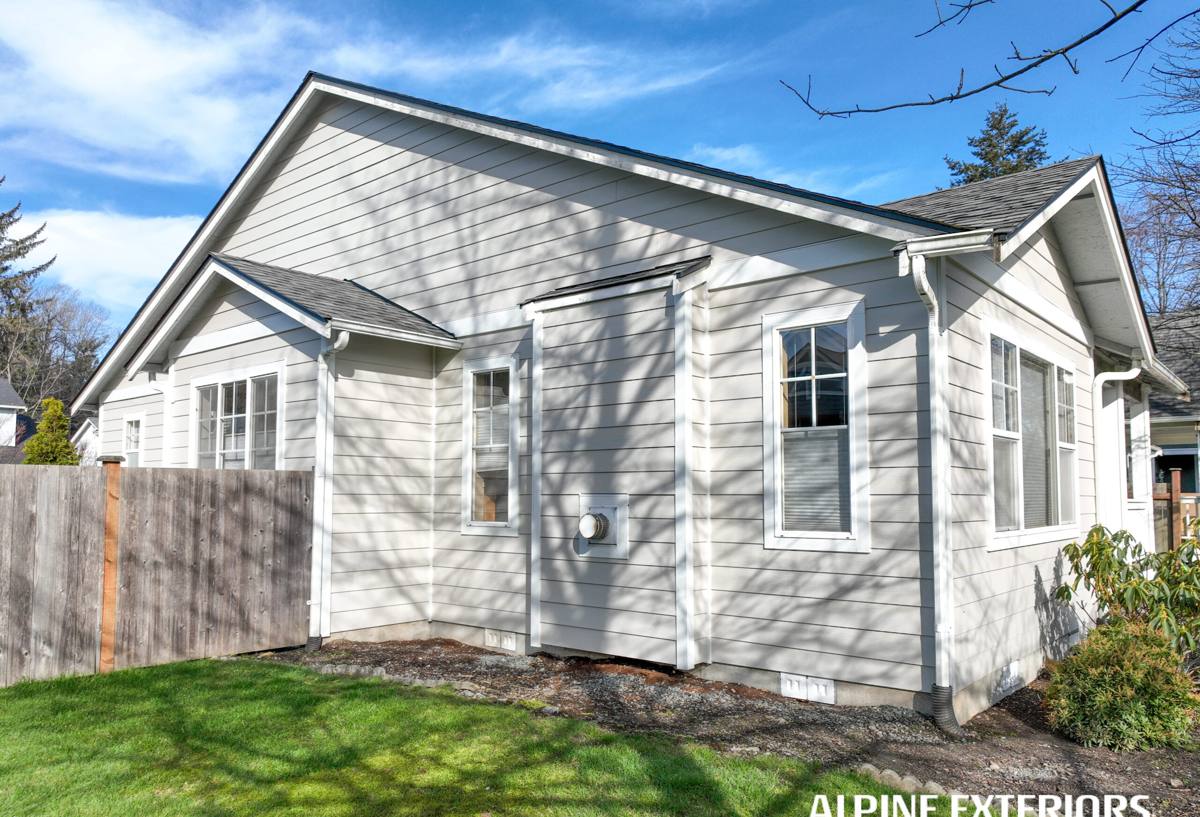
Why Local Roofs Take the Damage They Do
Moss and Organic Growth
Moss is the single biggest quiet threat to roofs in this area. It's not just cosmetic. Moss holds moisture directly against the roofing surface for weeks at a time, which breaks down asphalt granules faster, lifts shingle edges as it grows underneath them, and works its way into any gap it can find. On shaded, north-facing slopes and under overhanging trees, moss can establish itself within a couple of wet seasons if a roof isn't cleaned and treated.
Driving Rain and Wind
Rain that falls straight down is easy on a roof. Rain that comes in sideways during a windstorm is not — it gets pushed up under shingle tabs, around chimney and vent flashing, and into any nail that has backed out even slightly. Most of the leaks we diagnose in this area trace back to wind-driven rain finding a small gap rather than a roof simply "wearing out" all at once.
Salt Air and Metal Fatigue
Being close enough to the water for salt-laden air to reach inland means metal flashing, fasteners, and vent caps corrode faster here than they would further inland. Cheap or mismatched metal components are often the first thing to fail, well before the shingles or underlying decking show their age.
A Long Wet Season
The stretch of months where a roof stays damp more often than dry is longer here than in a lot of the country. That extended dampness is what allows moss, algae, and slow rot to take hold in the first place — it's not one bad storm, it's cumulative exposure.
Common Roof Repair Issues We Find on Kendall Homes
- Moss buildup lifting shingle edges and holding moisture against the roof deck
- Cracked or missing shingles along ridge lines and in high-wind-exposure areas
- Failed or corroded flashing around chimneys, skylights, and roof-to-wall transitions
- Clogged or undersized valleys that back water up under shingles during heavy rain
- Nail pops and lifted fasteners that let wind-driven rain in around the nail head
- Soft or spongy decking under aging shingles from long-term moisture intrusion
- Gutter and edge-flashing issues that send water back under the roof edge instead of off it
Signs Your Roof Needs Repair Now
Most roof damage in this climate doesn't announce itself with a dramatic leak on day one. It shows up in smaller signs first, and catching those early is what keeps a repair a repair instead of turning it into a full re-roof.
- Dark streaking or visible moss patches, especially on shaded or north-facing slopes
- Granules collecting in gutters or at the base of downspouts
- Shingles that look curled, cupped, or lifted at the edges
- Daylight visible through the roof deck from inside the attic
- Water stains on ceilings or in the attic near chimneys, vents, or valleys
- Sagging spots anywhere on the roof plane
- Rusted, cracked, or separated flashing around any roof penetration
If you're seeing any of these, it's worth having someone look at it before the next big windstorm, not after.
What a Correct Roof Repair Actually Involves
A good roof repair isn't just swapping out a few visibly damaged shingles and calling it done. Done right, it involves a real diagnostic process:
- Full roof inspection — not just the area you're worried about, but the whole roof, since related problems often hide near the one you noticed.
- Deck check — confirming the wood underneath is sound before any new material goes down over it.
- Flashing evaluation — checking every chimney, vent, skylight, and roof-to-wall transition, since these are where most leaks actually originate.
- Matching materials — repairing with shingles and flashing that match the existing roof in type, weight, and where possible, color, so the repair blends in and performs consistently with the rest of the system.
- Moss and debris removal — clearing growth and buildup from the work area and, where it makes sense, the rest of the roof, so the repair isn't sitting under damp organic material again in a few months.
- Sealing and fastening to code — correct nail placement and count, proper flashing laps, and sealant only where it belongs, not as a substitute for correct flashing work.
Skipping any of these steps is how a "repaired" roof ends up leaking again in the same spot a year later.
Roof Repair vs. Roof Replacement: What Decides It
Not every roof problem in Kendall needs a full replacement, and not every roof problem should be patched. The right call usually comes down to a handful of honest factors.
| Factor | Leans Toward Repair | Leans Toward Replacement |
|---|---|---|
| Roof age | Under roughly 15 years, or a newer roof with isolated damage | Near or past the material's expected service life |
| Extent of damage | Localized — one section, one flashing detail, one valley | Widespread across multiple roof planes |
| Decking condition | Solid, dry wood under the affected area | Soft, rotted, or spongy decking in multiple spots |
| Moss/algae extent | Manageable with cleaning and targeted treatment | Deep, long-term growth that's compromised the surface broadly |
| Number of past repairs | First or second repair on this roof | A long history of patch jobs in different areas |
We'll always tell you honestly which side of that table your roof falls on. A repair that's likely to fail again within a season isn't a good use of your money, and we won't sell it to you as one.
How We Handle a Roof Repair Call in Kendall
Our process is straightforward because it doesn't need to be complicated — it needs to be thorough.
- Initial conversation — you describe what you're seeing (a stain, a drip, missing shingles after a windstorm), and we get a picture of the situation before we ever step on the roof.
- On-site inspection — a full walk of the roof, not just the reported trouble spot, plus an attic check where access allows, since interior signs often tell us as much as the roof surface does.
- Written estimate — a clear explanation of what's actually wrong, what it will take to fix it correctly, and what it costs, with repair and replacement laid out honestly if both are realistic options.
- Scheduled repair — timed around weather windows, since roof work in this climate depends on getting dry stretches to do it right rather than rushing between rain bands.
- Cleanup and final check — debris cleared, repair area reviewed with you, and a straightforward explanation of what was done and why.
Materials We Use for Repairs in This Climate
Matching the existing roof matters, but so does using components that hold up to local conditions. For flashing and fasteners, we favor materials with real corrosion resistance rather than the cheapest option available, given how much salt-tinged, moisture-heavy air this area sees over a year. For shingle repairs, matching the manufacturer, weight, and wind rating of the existing roof keeps warranty coverage intact where applicable and avoids visible or structural mismatches. Where a homeowner is dealing with recurring moss issues, we'll talk through zinc or copper strip options as a long-term prevention measure, explained honestly in terms of what they do (slow moss regrowth over time) and what they don't (they're not a substitute for periodic cleaning).
Why a Crew That Already Works Kendall Matters
Roofing in this part of Whatcom County isn't the same trade as roofing in a dry inland climate, and it isn't identical to roofing right on the water either. A crew that regularly works this specific area has already seen how moss establishes on the shaded slopes typical here, how the local wind and rain patterns stress flashing details, and which fixes actually hold up through a full wet season rather than just looking good on install day. That experience shows up in faster, more accurate diagnosis — knowing where to check first instead of guessing — and in material choices that account for the corrosion and moisture load this area puts on a roof year after year. It also means someone who's easy to reach if a repair needs a follow-up look, rather than a crew that did one job in the area and moved on.
Maintenance That Extends the Life of a Repair
A repair holds up longer with a little basic upkeep between visits:
- Clear moss and debris from the roof surface and valleys at least once a year, more often under trees
- Keep gutters and downspouts clear so water leaves the roof instead of backing up under the edge
- Trim back branches that overhang the roof to reduce shade, debris, and abrasion
- Walk the attic after major windstorms to check for new staining or daylight
- Have flashing and vent boots checked every few years, since they age faster than the shingles around them
None of this replaces a professional inspection, but it goes a long way toward making sure small issues stay small.
If you're dealing with a leak, missing shingles, or just want an honest read on where your roof stands, we're glad to come take a look. The estimate is free, there's no pressure attached to it, and you'll get a straight answer about whether you need a repair, a bigger fix, or nothing at all right now — just fill out the form below to get started.