 Ferndale Siding
 Roofing on the Water Is a Different Job
Sandy Point sits close enough to the Strait of Georgia that the roof over your head is doing more work than a roof ten miles inland in Ferndale proper. Salt-laden air corrodes exposed metal faster, wind-driven rain gets pushed sideways up under laps and flashings that would stay dry elsewhere, and the shaded, moisture-heavy tree cover through Whatcom County's long wet season keeps moss and moisture sitting on the roof surface for months at a time. None of that means a roof replacement here needs to be exotic or overbuilt. It means the materials, the flashing details, and the ventilation plan all need to be chosen with the coastal exposure in mind, not just picked off a standard spec sheet.
We work Sandy Point regularly, alongside the rest of the Ferndale area, and this page covers what actually matters when you're replacing a roof on a home in this specific stretch of coastline — not generic roofing advice.
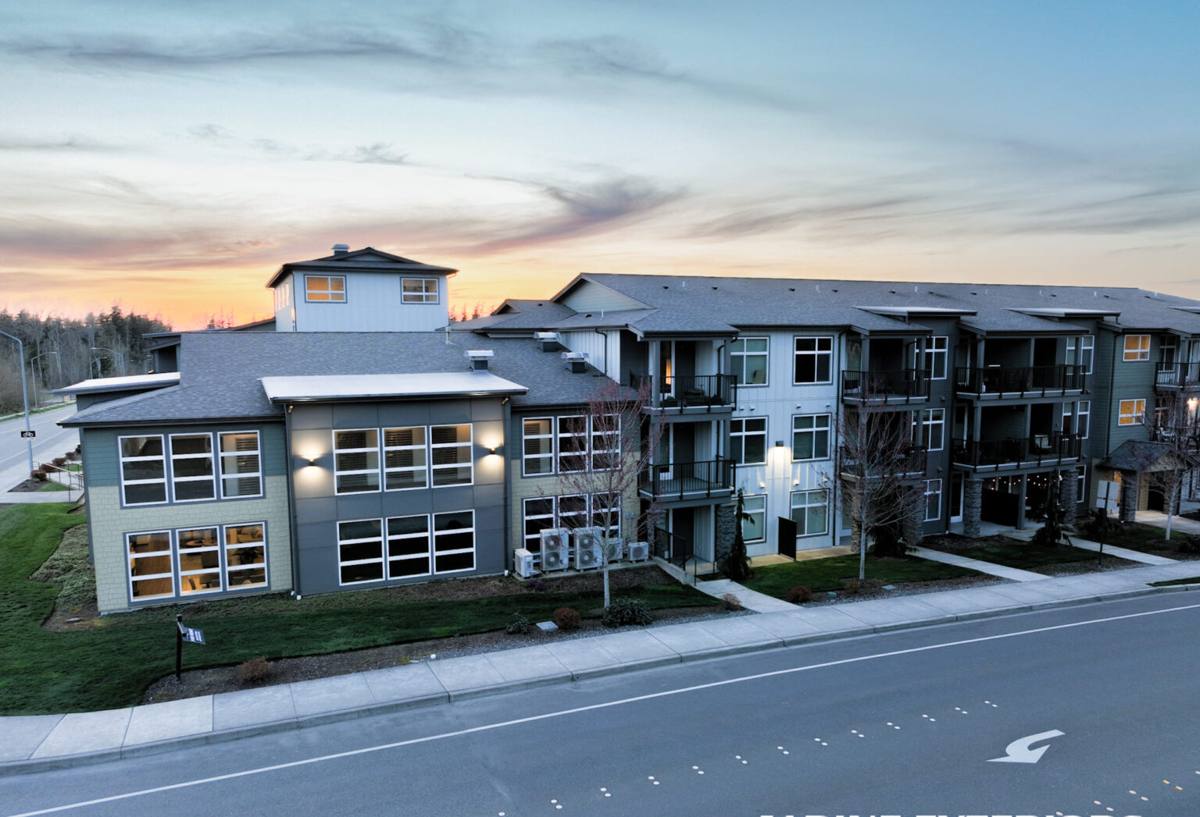
What Salt Air, Driving Rain, and Moss Actually Do
Salt Air
Airborne salt accelerates corrosion on any unprotected or poorly coated metal — nails, flashing, vent stacks, gutter fasteners. On a roof close to the water, standard electro-galvanized fasteners can start showing rust streaks years before they would inland. This is a fastener and flashing choice problem more than a shingle problem, and it's one of the first things that gets overlooked on a roof spec written without the site in mind.
Driving Rain
Wind off the water doesn't just fall on a roof — it pushes rain sideways and drives it uphill under laps, around penetrations, and into any gap in the underlayment. A roof built for calmer, more sheltered lots can pass fine for years and still fail here, because the failure point is wind-driven water intrusion at edges and penetrations, not simple rainfall volume.
Moss and Prolonged Moisture
Shade, marine humidity, and Whatcom County's long wet stretch from fall through spring give moss ideal growing conditions on north-facing and shaded slopes. Moss holds water against the roof surface, works its way under shingle tabs, and lifts them over time — turning a cosmetic problem into a leak path if it's left unmanaged.
Signs a Sandy Point Roof Is Due for Replacement
- Granules collecting in gutters or at downspout outlets, indicating asphalt shingles are breaking down
- Curling, cupping, or cracked shingle tabs, especially on south- and west-facing slopes exposed to sun and wind
- Moss or dark algae streaking that keeps returning within a season or two of cleaning
- Rust staining at flashing, vent boots, or exposed fasteners
- Soft spots in the decking felt underfoot, or daylight visible through the roof deck from the attic
- Interior staining on ceilings or in the attic near chimneys, skylights, or wall-roof intersections
- A roof approaching or past the manufacturer's rated lifespan, particularly if it was never re-flashed or re-vented since original install
One or two of these on their own might mean a repair is enough. Several together, especially combined with a roof already near the end of its rated life, usually mean replacement is the more honest recommendation — and we'll tell you which situation you're in during an inspection, not just push a full tear-off by default.
Materials That Hold Up Near the Water
There's no single "best" roofing material for every home — it depends on your roof's exposure, slope, budget, and how the house is built. Here's how the common options compare specifically for a salt-air, high-rain environment like Sandy Point.
| Material | Coastal Performance | Maintenance | Typical Lifespan |
|---|---|---|---|
| Architectural asphalt shingle | Good with proper flashing and algae-resistant granules; most common, cost-effective choice | Periodic moss removal on shaded slopes | 25–30 years |
| Standing seam metal | Excellent wind and driving-rain resistance; needs corrosion-resistant coatings/fasteners near salt air | Low; occasional fastener and coating check | 40–50+ years |
| Synthetic/composite shingle | Strong impervious surface, resists moisture absorption | Low to moderate | 30–50 years |
| Cedar shake | Traditional look but absorbs moisture and holds it longer in shaded, damp conditions common here | High — regular treatment and moss management | 20–30 years with upkeep |
We're candid with clients about cedar shake specifically: it can look great, but on shaded, moisture-heavy Sandy Point lots it holds water longer than other materials, which means a heavier ongoing maintenance commitment to keep moss and rot at bay. That's a trade-off worth knowing before you commit to it, not a knock on the material itself.
What a Correct Roof Replacement Actually Involves
Full Tear-Off, Not Overlay
Roofing over old shingles hides deck problems and shortens the life of the new roof. A proper replacement means stripping to the deck so we can actually see what's underneath.
Deck Inspection and Repair
Any soft, delaminated, or water-damaged plywood or sheathing gets identified and replaced before anything new goes down. Skipping this step is one of the most common shortcuts in the trade, and it's invisible until the new roof starts leaking from the inside out.
Underlayment Built for Wind-Driven Rain
Given the driving rain off the water, we pay particular attention to synthetic underlayment coverage and self-adhered ice-and-water membrane at eaves, valleys, and any low-slope transitions — the areas most vulnerable to wind-pushed water intrusion.
Flashing Details
Chimneys, skylights, sidewalls, and vent penetrations are where roofs actually fail. Flashing gets replaced, not reused, and fastened with corrosion-resistant hardware given the salt air exposure.
Ventilation
Balanced intake and exhaust ventilation keeps the attic dry and the roof deck at a stable temperature, which matters both for shingle lifespan and for keeping condensation from adding to the moisture load this climate already puts on a roof.
Our Process, Start to Finish
- On-site inspection — we walk the roof (or use a drone where slope or access requires it) and check the attic from inside, noting deck condition, ventilation, and flashing issues.
- Written estimate — a clear scope covering materials, tear-off, deck repair allowance, flashing, ventilation, and cleanup, so there are no surprise line items later.
- Material selection — we walk through the options above based on your roof's exposure and your budget, not a one-size answer.
- Scheduling around weather — we watch the forecast closely and stage the tear-off to keep your home protected through any wet stretch during the job.
- Tear-off and deck repair — old roofing removed, deck inspected and repaired as needed.
- Underlayment, flashing, and new roofing installed — per manufacturer specs and the coastal detailing above.
- Final walkthrough and cleanup — magnetic sweep for stray fasteners, debris haul-off, and a walk-through so you know exactly what was done.
Cost Factors Specific to a Sandy Point Job
Every roof is priced on its own specifics, but the variables that move the number most on a Sandy Point home are:
| Factor | Why It Matters Here |
|---|---|
| Roof access and slope | Waterfront and hillside lots can mean tighter staging and equipment access |
| Deck condition | Prolonged moisture exposure increases the odds of hidden rot needing repair |
| Material choice | Metal and composite options cost more up front but reduce long-term maintenance near salt air |
| Flashing and penetration count | Chimneys, skylights, and multiple roof planes add labor and material |
| Ventilation upgrades | Older homes often need added intake/exhaust venting brought up to current standards |
We'd rather give you a number after actually looking at your roof than a range that doesn't mean much either way.
Questions Worth Asking Before You Hire
- Do you carry current WA state contractor licensing and liability insurance, and can you provide proof?
- Will you do a full tear-off and deck inspection, or is overlay on the table?
- What underlayment and ice-and-water membrane do you use at eaves and valleys?
- Are flashings replaced or reused, and what fastener material do you use given the salt air?
- What's the manufacturer warranty, and is it enhanced by your installer certification?
- How do you handle weather delays mid-project to keep the house protected?
- Do you have current references from other homes in the Ferndale or Whatcom County coastal area?
Why Local Experience in Sandy Point Matters
A crew that's already worked roofs along this stretch of coastline knows which slopes hold moss longest, where wind-driven rain tends to find weak flashing, and which fastener and underlayment choices actually hold up rather than looking good on a spec sheet. That's not something you get from a contractor driving in from outside the area for a one-off job. We're based in Ferndale, we work Whatcom County's coastal neighborhoods regularly, and we're not guessing at what this climate does to a roof over time — we're accounting for it in the estimate before the tear-off even starts.
After the Roof Is On: Keeping It Performing
A correctly installed roof still benefits from basic upkeep in this climate. Clearing overhanging branches reduces shade and debris buildup that feeds moss. A gutter cleaning once or twice a year keeps water moving off the roof instead of backing up at the eaves. And a quick visual check after any major windstorm — looking for lifted shingles or displaced flashing — catches small problems before they become interior leaks. None of this requires a maintenance contract, just a few minutes of attention a couple of times a year.
If your roof is showing wear, or you just want an honest read on how many years it has left, we're happy to take a look. The estimate is free, there's no pressure, and you'll get a straight answer either way — just fill out the form below to get started.