 Ferndale Siding
 Siding Repair Built for Lummi Island's Marine Climate
Lummi Island sits out in the water, and that changes what siding has to deal with compared to a house a few miles inland in Ferndale or Bellingham. Homes here take on salt-laden air coming off the Salish Sea, wind-driven rain that hits siding at an angle instead of falling straight down, and long stretches of the year when tree cover and marine humidity keep exterior walls damp enough for moss and algae to take hold. None of that is unusual for Whatcom County, but it's more concentrated on the island, and it shows up in the siding faster than homeowners expect.
Siding repair on Lummi Island isn't just about patching a cracked board. It's about understanding why that board cracked, whether the same thing is happening elsewhere on the house, and whether a repair will actually hold up against the next few winters of the same exposure. This page covers what we look for, how we decide between a repair and a full re-side, and what our process looks like for island jobs specifically.
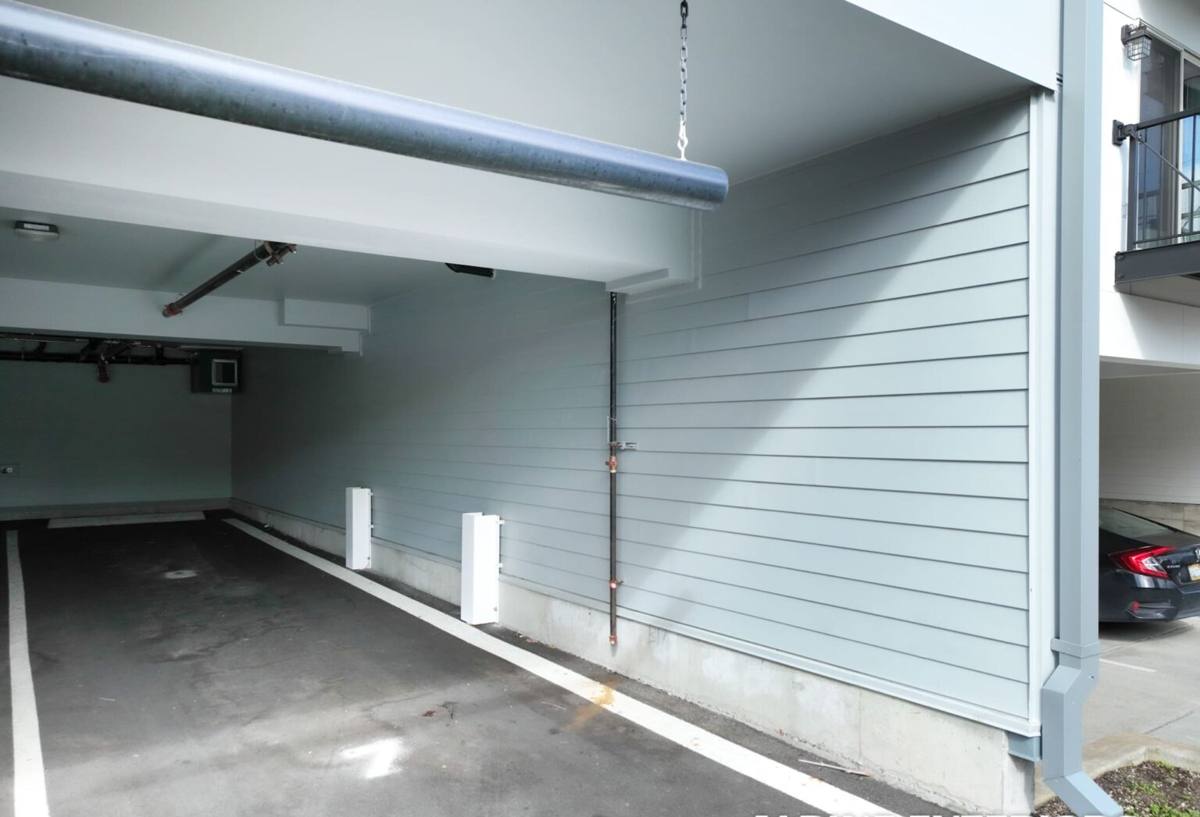
What Salt Air, Driving Rain, and Moss Actually Do to Siding
Salt Air
Airborne salt doesn't just sit on the surface — it's mildly corrosive and hygroscopic, meaning it pulls moisture out of the air and holds it against the siding surface longer than it would in a drier inland location. On fiber cement, this mostly shows up as accelerated wear on fasteners, trim flashings, and factory finishes that weren't rated for coastal exposure. On wood-based products, salt exposure speeds up the cycle of swelling and drying that eventually cracks paint and opens seams.
Driving Rain
Rain that comes in sideways off the water finds every weak point in a siding system — gaps at butt joints, undersized caulk lines, nail heads that were left exposed, and corners where flashing was skipped or installed short. On a calm inland lot, a minor installation flaw might never get tested. On Lummi Island, wind-driven rain tests it every storm season, which is why repair issues here tend to cluster at the same vulnerable spots: corners, window trim, and lower courses near grade.
Moss and Algae
Shaded, damp walls on the north and west sides of island homes are prime real estate for moss and algae growth. Left alone, that growth holds moisture directly against the siding surface, degrades painted finishes, and — on wood or wood-composite products — feeds the kind of slow rot that isn't visible until a board is soft enough to push a finger through. Moss on siding is a maintenance issue at first and a structural one later.
Signs Your Lummi Island Home Needs Siding Repair
Most siding failures give warning signs well before they become expensive. On the island, we typically see these show up first:
- Soft or spongy spots when you press on a board, especially near the bottom courses or under windows
- Visible cracking, splitting, or buckling, particularly at butt joints and corners
- Persistent moss or dark streaking that keeps coming back after cleaning
- Paint that's peeling, bubbling, or chalking faster than the rest of the house
- Gaps opening up around trim, window casings, or corner boards
- Staining on interior walls near exterior corners, which often points to water getting behind the siding, not through it
- Fastener heads popping or rust streaks bleeding down from nails
Any one of these on its own might be a straightforward repair. Several of them clustered on the same wall, especially a wall that takes the brunt of the weather off the water, usually means the underlying moisture barrier or flashing needs attention too — not just the visible siding.
Repair or Replace: How We Actually Decide
Homeowners often assume repair is automatically the cheaper, smarter choice, and sometimes it is. But a repair that doesn't address why the damage happened just buys a few more years before the same spot fails again. We look at the extent of damage, the age and condition of the siding around it, and what's happening behind the surface before recommending either option.
| Factor | Points Toward Repair | Points Toward Replacement |
|---|---|---|
| Extent of damage | Isolated to a few boards or one wall section | Spread across multiple walls or elevations |
| Cause | Impact damage, one failed joint, isolated flashing gap | Systemic moisture intrusion, widespread rot, failed original installation |
| Material match | Existing siding style/profile still available or closely matchable | Discontinued product, no reasonable match available |
| Age of siding | Siding is otherwise well within its service life | Siding is near or past its expected lifespan |
| What's behind it | House wrap and flashing intact where inspected | Water barrier compromised, sheathing showing damage |
When repair is the honest answer, we do the repair — we're not in the business of upselling a full re-side a house doesn't need. When the damage points to a bigger moisture problem, we'll tell you why, and what a repair would and wouldn't fix.
What a Correct Siding Repair Involves
A repair that's done right isn't just about swapping a damaged board for a new one. On homes exposed to the kind of weather Lummi Island gets, the steps around the visible fix matter as much as the fix itself.
Inspecting Before Cutting
Before removing damaged siding, we check the condition of the house wrap or weather-resistive barrier underneath, the flashing at any nearby windows, doors, or trim, and the sheathing itself where it's exposed. Replacing a board over a compromised moisture barrier just hides the problem for a while.
Matching Material and Fastening Method
Mismatched siding profiles, mismatched fastener patterns, or mismatched exposure reveals themselves quickly, especially in raking light. We match existing profiles where possible and use fastening methods appropriate to the material and to coastal wind exposure — not just whatever's fastest.
Sealing and Flashing Details
Given how much driving rain the island gets, we pay particular attention to how the repaired section integrates with existing flashing, kick-out flashing at rooflines, and trim details. A repair that looks clean but leaves a gap at the top edge is a repair that fails again in a year or two.
Finish Work
Where paint or caulk is involved, we use products rated for the exposure the wall actually gets, and we don't cut corners on prep — a fresh coat over a dirty or chalky surface won't hold.
When Repair Isn't Enough
Some walls on Lummi Island have taken enough cumulative moisture damage, or were built with materials that were never well suited to this exposure, that patching individual boards stops making sense. In those cases we'll walk you through what full replacement would look like. Our company installs James Hardie fiber cement siding exclusively for full re-sides — it's non-combustible, engineered for wet marine and coastal climates in its HZ product lines, and backed by a factory ColorPlus finish and a strong transferable warranty. We won't pressure a full replacement when a repair genuinely covers the problem, but when a wall's history says otherwise, we'll say so plainly and explain the reasoning, not just recommend the most expensive option by default.
Our Process for Lummi Island Jobs
Working on the island comes with logistics that don't apply to a mainland Ferndale job. Materials, crew, and equipment generally travel over on the ferry, so we plan trips to bundle as much of the work as possible into fewer crossings rather than making multiple partial visits. That means a clear scope and a solid material list before the crew ever loads the truck.
Our process for a repair job typically looks like this:
- On-site inspection to assess visible damage and check for signs of moisture behind the siding
- A written scope and estimate that separates straightforward repair from anything that needs further investigation
- Material ordering and staging before the crew crosses over, to avoid return trips for missing parts
- Repair work, including any flashing, house wrap, or sheathing correction needed behind the siding
- Finish work — matching paint, caulk, and trim details so the repair blends with the rest of the wall
- A final walkthrough so you know what was done and what to keep an eye on going forward
Because ferry scheduling is part of the job, we build it into the timeline up front rather than treating it as a surprise delay. Homeowners on the island tell us this matters more than they expected — a contractor who's used to the crossing plans differently than one encountering it for the first time.
Keeping Repairs from Turning Into Repeat Repairs
A few habits go a long way toward protecting siding between service visits, especially on shaded or west-facing walls that take the worst of the wind and rain off the water:
- Rinse moss and algae growth off siding before it has a chance to hold moisture through the wet season
- Keep gutters clear so overflow doesn't run down the face of the siding
- Trim back vegetation that keeps a wall shaded and damp
- Check caulk lines at trim and window edges annually, since coastal exposure breaks them down faster than inland conditions
- Address small issues — a popped fastener, a small crack — before the next storm season rather than after
None of this replaces a proper repair when siding has already failed, but it stretches the time between repairs and helps a repair actually last.
Get a Straight Answer on Your Siding
If you're seeing moss that won't quit coming back, soft spots, cracking, or paint that's failing faster than it should, it's worth having someone look at it who works this exposure regularly. We'll give you a clear read on whether it's a repair, what's driving the damage, and what it would take to fix it right — no pressure, no upsell. Reach out for a free estimate using the form below.