 Ferndale Siding
 Storm Damage Roof Repair for Birch Bay Homes
Birch Bay sits right on the water, and that changes how a roof takes a winter storm compared to homes further inland in Whatcom County. When a wind event or a heavy weather system moves through, the damage isn't usually subtle. It's missing shingles, a lifted ridge cap, a punctured section from wind-blown debris, or water finding its way in through a seam that held fine until this particular storm pushed harder than the last one. Storm damage roof repair is its own category of work, separate from routine maintenance, and it calls for a different kind of urgency: stop the water first, then figure out exactly what the roof actually needs.
We work on Birch Bay roofs on a regular basis, not just in the days after a big storm rolls through. That matters for how we handle a storm call. We're not an out-of-area crew chasing damage after the fact — we already know how this stretch of coastline behaves in a windstorm, which parts of a roof tend to fail first here, and what a repair actually needs to hold up through the next one.
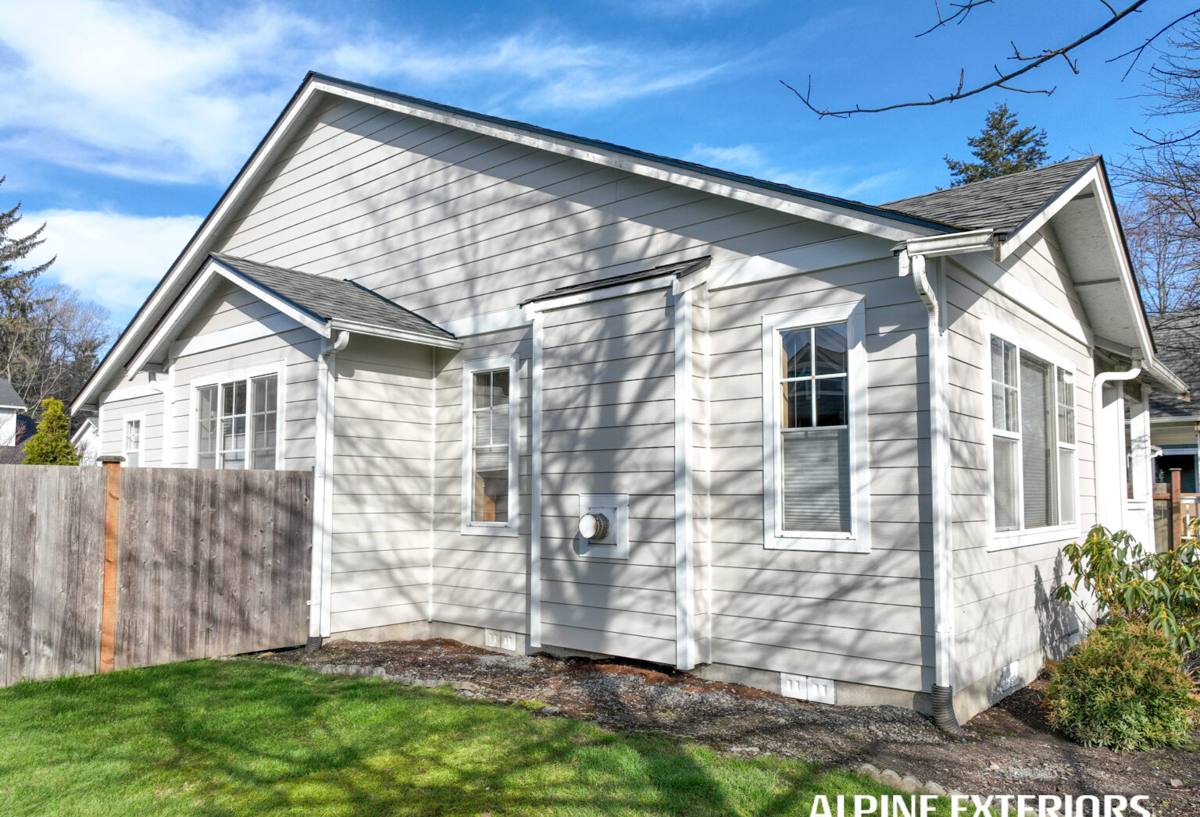
Why Birch Bay Takes a Heavier Hit From Winter Storms
A roof a few miles inland and a roof facing open water can be built the same way and still age at very different rates. Birch Bay's exposure adds up over a full year, and it shows most clearly during and after a storm.
Wind Off Open Water
Birch Bay faces the Strait of Georgia with little to break up wind before it reaches a rooftop. That direct exposure means higher sustained wind speeds and harder gusts during a winter storm than a similarly built roof would see further inland. It's a major reason lifted or missing shingles, torn ridge caps, and displaced flashing turn up more often on Birch Bay roofs after a storm than on homes tucked into more sheltered parts of the county.
Salt Air and Faster Corrosion
Salt-laden air moving off the water accelerates corrosion in exposed roofing hardware — nail heads, drip edge, flashing, and vent stacks all age faster here than they do inland. A fastener or flashing detail that's already lost some integrity to salt exposure is more likely to fail outright when a storm puts real load on it. Storm damage on a Birch Bay roof is sometimes the storm finishing off something salt air had already been working on for a while.
A Long Moss Season That Compounds Storm Damage
Whatcom County's mild, damp climate keeps moss and organic growth active on shaded roof slopes for most of the year, and Birch Bay's marine humidity keeps that season running about as long as it gets anywhere in the area. Moss holds moisture against shingles and fasteners, softening the mat and loosening the seal well before a storm ever shows up. A roof carrying heavy moss going into a windstorm is already compromised, so damage that looks storm-caused is frequently storm damage layered on top of moisture damage that had been building underneath it for months.
What Counts as Storm Damage (and What's Just Wear)
Not every roof problem that surfaces after a storm was actually caused by that storm, and the distinction matters, especially if you're filing an insurance claim. Storm damage is typically sudden and traceable to a specific weather event: shingles torn loose or blown off, a puncture from a tree limb or wind-blown debris, flashing bent or pulled away from a chimney or wall intersection, or a ridge cap cracked and lifted by wind uplift. Wear-related damage develops gradually instead — curling or brittle shingles from age and UV exposure, granule loss from years of weathering, or soft decking from long-term moss and moisture intrusion that had nothing to do with any single storm.
We look at both when we inspect a roof after a storm call, because the two often show up together. An older roof already weakened by moss and age is far more likely to actually fail during a windstorm that a newer, well-maintained roof would have shrugged off. It matters that a homeowner understands which category their damage falls into before decisions get made about repair scope or insurance coverage.
Our Storm Damage Repair Process
When we get a storm damage call, we follow the same sequence every time, because skipping a step is usually what turns a manageable repair into a bigger problem later.
- Stop the water first. If a roof has active exposure, we prioritize emergency tarping or temporary sealing before anything else, especially if more weather is moving in off the water.
- Full roof inspection. We get on the roof and check the whole surface, not just the visibly damaged area, since wind can lift or loosen shingles well beyond the obvious impact point.
- Document what we find. Photos of the damage and the affected area give you a clear record before repairs begin, useful for your own files and for an insurance claim if you're filing one.
- Give you a straight answer on scope. A localized repair, a larger section replacement, or a full re-roof, whichever the actual condition of the roof calls for, not whichever is easiest to sell.
- Match materials where we can. For a repair, we work to match existing shingle color and profile as closely as possible, understanding that some fading and slight variation between old and new material is normal and can't always be fully avoided.
- Check for related damage. Gutters, fascia, siding, and attic ventilation get a look too, since wind that damages a roof often affects these at the same time.
Repair or Full Replacement: How We Decide
Storm damage doesn't automatically mean a full replacement, and it doesn't automatically mean a quick patch either. The right call depends on a handful of factors we check on-site.
| Situation | Repair Usually Makes Sense | Replacement Usually Makes Sense |
|---|---|---|
| Roof age | Roof is under roughly half its expected material lifespan | Roof is already near or past its expected lifespan |
| Damage extent | Isolated section — a few shingles, one flashing point | Damage spread across multiple slopes or a large single area |
| Decking condition | Deck is sound once the damaged area is exposed | Deck shows rot or soft spots from long-term moisture |
| Pre-existing moss or moisture damage | Minimal — the storm caused isolated, fresh damage | Significant — the storm exposed damage that was already developing |
| Material match | Existing shingle line is still available or a close match is possible | Product is discontinued or a mismatch would be visually obvious |
We'll walk you through where your roof actually falls on this table rather than defaulting to whichever answer is more profitable for us.
Working With Your Insurance Claim
Many homeowners policies cover sudden wind or storm damage to a roof, though coverage details, deductibles, and what counts as "sudden" versus ordinary wear vary by policy and insurer. We're not insurance adjusters, and we can't tell you what your specific policy covers. What we can do is document the damage thoroughly, provide a written estimate that itemizes the actual repair scope, and answer an adjuster's questions directly about what we found on the roof and why we're recommending a given repair.
It's worth calling your agent or reviewing your policy as soon as possible after a storm. Most policies have a window for reporting damage, and waiting too long to file can complicate a claim even when the damage itself is clearly storm-related.
What Affects the Cost of Storm Damage Repair
| Factor | What It Affects | Why It Matters in Birch Bay |
|---|---|---|
| Extent and location of damage | Labor and material scope | Wind off open water can lift shingles across a wider area than the visible damage point suggests |
| Decking condition once exposed | Whether the repair stays cosmetic or needs structural work | Salt air and a long moss season can weaken decking before a storm ever hits |
| Material availability and match | Whether a repair blends in or needs a larger replacement | Older or discontinued shingle lines are harder to match section by section |
| Roof pitch and access | Labor time and safety equipment | Waterfront lots can have limited staging area and exposed working conditions |
| Emergency mitigation needed | Tarping or temporary sealing before the permanent repair | Active leaks need to be stopped quickly when more weather is moving in off the water |
Exact costs depend on what we find once we're actually on the roof, which is why we give a written estimate after an in-person inspection rather than a number over the phone.
Signs Your Birch Bay Roof May Have Storm Damage
- Shingles that are visibly missing, torn, curled up at the edges, or lying in the yard after a windstorm
- Granules collecting in gutters or at downspout outlets, which can signal shingle damage even without an obvious hole
- A ridge cap that looks lifted, cracked, or no longer sits flush
- Water stains on ceilings or in the attic that weren't there before the last storm
- Bent, displaced, or missing flashing around chimneys, vents, or wall intersections
- Daylight visible through the roof deck from inside the attic
- Heavy moss buildup on shaded slopes that may be hiding damage underneath
Why a Crew That Already Works Birch Bay Matters
A roofer who works this stretch of coastline regularly understands how wind off open water, salt air, and a long moss season behave on real Birch Bay roofs over a full year, not just how a shingle performs on a spec sheet. That experience shapes practical decisions on a storm call: which slopes take the worst of the wind, where flashing tends to fail first, and how much of a repair is genuinely necessary versus how much would just be padding the bill. Birch Bay's direct exposure to the water means its roofs see a heavier version of the same challenges the rest of Ferndale and Whatcom County deal with, and a crew with hands-on local experience treats that seriously instead of applying a generic approach built for a calmer inland roof.
If your Birch Bay home has storm damage, or you just want an honest second opinion on what a recent windstorm actually did to your roof, we're glad to take a look. Reach out using the form below to schedule a free, no-pressure estimate.