 Ferndale Siding
 Window Replacement for Cordata Homes
Cordata sits close enough to Bellingham Bay and the Ferndale corridor that homes here take on a specific kind of weather: salt-tinged air off the water, long stretches of driving rain, and a moss season that seems to start earlier and last longer every year. Windows are one of the first places that shows up. A window that would hold up fine in a drier inland climate can start failing years early here if it wasn't installed with this kind of exposure in mind.
This page is about window replacement specifically for homes in the Cordata area — what the local climate actually does to windows, what a correct replacement job looks like, and why it matters that the crew doing the work already understands Whatcom County conditions rather than treating every job the same.
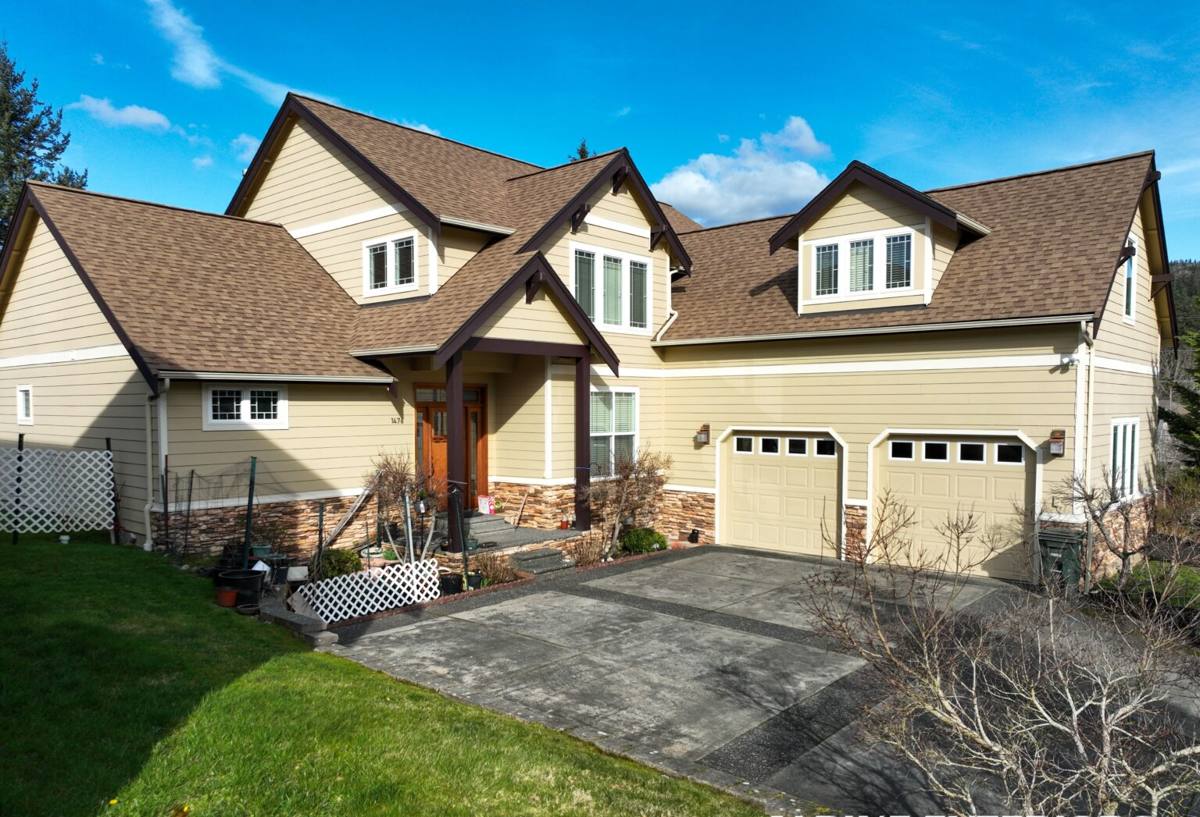
What Whatcom County Weather Does to Windows
The damage patterns we see in this part of the county are pretty consistent, and they're different from what you'd find in a drier climate:
- Seal failure from constant humidity. Dual-pane windows rely on a sealed gas gap between panes. Persistent damp air and temperature swings between soggy nights and sunny afternoons stress that seal faster than in dry climates, leading to fogging between the glass.
- Wind-driven rain intrusion. Storms coming off the Sound don't just fall straight down — they drive rain sideways into wall and window assemblies. A window with weak flashing or degraded sealant at the siding junction will let water in around the frame long before the window itself fails.
- Moss and organic growth at sills and trim. Shaded north- and west-facing walls in Cordata's tree-lined lots stay damp for days after a storm. Moss and mildew take hold on sills, exterior trim, and anywhere water sits instead of draining.
- Wood rot at frames and sills. Older wood-framed windows, or newer windows with failed caulking, absorb moisture at the lowest point of the frame first. By the time rot is visible on the interior sill, it's usually been progressing on the exterior side for a while.
- Salt-influenced corrosion on hardware. Cranks, locks, and balances on older windows can corrode faster in the mix of salt air and humidity, making windows harder to open, close, and lock properly.
Signs a Cordata Home Needs Window Replacement
Homeowners usually notice one or two of these before they realize the whole window needs attention:
- Fogging or a milky haze between the panes of glass that doesn't clear — a sign the seal has failed and the insulating gas is gone
- Visible moss, black staining, or soft spots on exterior sills and trim around the window
- Drafts you can feel near the frame even when the window is fully latched
- Windows that stick, won't stay open, or are difficult to lock — often a sign of swelling, warping, or corroded hardware
- Peeling paint or bubbling on interior window trim, which usually means moisture is getting in from outside
- A noticeable difference in room temperature near the window compared to the rest of the room
- Condensation forming on the inside of the glass regularly, even in mild weather
Any one of these on its own might just need a repair. Several at once, especially on the same window, usually means the frame or seal has reached the point where replacement is the more honest recommendation.
What a Correct Window Replacement Actually Involves
The window itself is only part of the job. In this climate, the installation details around the window matter as much as the product, because that's where water actually gets in.
Flashing and Water Management
Every window opening needs to be flashed so that any water that reaches the wall assembly is directed back out, not into the framing. This means proper sill pan flashing at the bottom of the opening, side flashing that overlaps correctly, and head flashing at the top that ties into the water-resistive barrier behind the siding — installed in the right shingle-lap order so water always flows down and out, never behind the next layer.
Sealant, Not Just Caulk
A bead of caulk around the trim is not a substitute for proper flashing — it's a second layer of defense, and it needs to be the right product for exterior exposure, applied to a clean, dry surface. Sealant that's slapped over old, failed caulk or applied to damp wood will fail again within a season or two.
Insulation Around the Frame
The gap between the window frame and the rough opening needs to be insulated without over-packing it, which can bow the frame and affect how the window operates. Low-expansion foam or backer rod and sealant, used correctly, keeps drafts and moisture out without distorting the unit.
Checking What's Underneath
Especially on older homes, removing the old window is the only real opportunity to check the condition of the framing, sheathing, and water-resistive barrier around the opening. If there's hidden rot or past water damage, it needs to be addressed before the new window goes in — otherwise you're sealing a problem behind a brand-new window.
Choosing Windows for Cordata's Climate
There's no single "best" window for every home, but some choices hold up better than others given the salt air, rain, and shade common in this area.
| Frame Material | Moisture Behavior | Maintenance | Best Fit |
|---|---|---|---|
| Vinyl | Won't rot; handles moisture well | Low — occasional cleaning | Most homes, cost-conscious replacements |
| Fiberglass | Excellent — very stable in wet/dry cycling | Low | Homes wanting a longer-term, low-movement frame |
| Wood (unclad) | Vulnerable without diligent upkeep | High — repainting, sealing | Historic homes prioritizing original look |
| Wood-clad (aluminum or vinyl exterior) | Good — exterior shell protects the wood core | Moderate | Homes wanting a wood interior look with better exterior protection |
We generally steer homeowners away from unclad wood exteriors in this specific climate unless they're committed to regular repainting and sealing — not because the material is bad, but because damp, shaded conditions common around Cordata put more strain on exposed wood than a drier region would, and the maintenance burden adds up fast.
Glass and Coatings
Double-pane with a Low-E coating is the standard baseline for this region and handles our mild-but-damp winters well. Triple-pane adds cost and weight for a modest gain in insulation — worth considering on north-facing walls or rooms with a persistent draft complaint, but not something every window in the house needs. Argon or krypton gas fill between panes is common and helps insulating performance, but it's the seal quality, not the gas itself, that determines how long that benefit lasts.
Our Window Replacement Process
- On-site assessment. We look at each window individually — frame condition, signs of moisture intrusion, how the opening is currently flashed, and what's driving the homeowner's concern (drafts, fogging, appearance, or all three).
- Honest recommendation. Not every window on a home needs replacing at once. We'll tell you which ones are structurally fine and which ones are past the point of repair.
- Product selection. We walk through frame material and glass options based on your budget, the window's exposure (sun, shade, wind-driven rain), and how long you plan to stay in the home.
- Removal and inspection. Old windows come out carefully so we can check the rough opening, sheathing, and water barrier underneath before anything new goes in.
- Flashing and installation. New sill pan, flashing, and window unit installed to manufacturer specifications, with attention to how it ties into your home's existing siding and water-resistive barrier.
- Sealing and finish work. Interior and exterior trim, insulation, and sealant applied correctly and left to cure before final inspection.
- Final walkthrough. We test operation, check for drafts, and confirm everything is sealed before calling the job done.
What Affects the Cost
| Factor | Why It Matters |
|---|---|
| Number of windows | Per-unit cost drops somewhat with volume, but each window still needs individual flashing and sealing |
| Frame material | Vinyl is typically the most budget-friendly; fiberglass and wood-clad cost more upfront |
| Glass package | Double-pane Low-E is standard; triple-pane or specialty coatings add cost |
| Condition behind the old window | Hidden rot or past water damage requires repair before installation, adding time and materials |
| Window size and type | Standard double-hung units cost less than large picture windows, bays, or custom shapes |
| Access and site conditions | Second-story windows, tight side yards, or landscaping in the way can add labor time |
We'll always give you a clear breakdown before work starts, and we won't pad a quote with materials or upgrades you didn't ask about.
Why It Matters That We Already Work in Cordata
A crew that's worked windows throughout Whatcom County knows what to expect from homes in this area — the general age and construction of the housing stock, how shaded lots hold moisture longer, and how driving rain off the Sound stresses window-to-siding transitions differently than it does further inland. That familiarity shows up in small decisions: which flashing detail to prioritize, when a sill needs extra attention before the new unit goes in, and what maintenance schedule actually makes sense for a home in this climate rather than a generic one.
It also means we're not learning on your house. We've seen how our own past installations perform in this specific weather over time, and we adjust based on that, not on a one-size-fits-all national installation guide.
After Installation: Keeping Windows Performing in This Climate
New windows still need some upkeep in a climate like ours:
- Clean sills and tracks periodically to prevent moss and mildew buildup, especially on shaded sides of the house
- Check exterior caulking annually and touch up any cracking before it lets water behind the trim
- Keep gutters and downspouts clear so water isn't running down the wall and pooling at window heads
- Trim back vegetation that keeps a window in constant shade and moisture
- Operate each window a few times through the year so hardware doesn't seize up from disuse
If you're noticing drafts, fogging, sticking sashes, or moss creeping onto your window trim, it's worth having someone take an honest look before small problems turn into framing repairs. We offer free, no-pressure estimates for window replacement in the Cordata area — use the form below to get a straightforward assessment of your home's windows and what, if anything, needs to be done.