 Ferndale Siding
 Windows Built for the Way It Rains Here
Everson sits inland from Ferndale in the Nooksack River valley, but the weather that reaches it is the same marine air mass that soaks the rest of Whatcom County. That means long stretches of steady rain rather than short downpours, high humidity that lingers for days at a time, and a moss and algae season that can run from fall through spring. Windows in this part of Washington aren't just glass and frame — they're one of the main things standing between a home and months of sustained moisture. A window that's a good fit in a drier climate can fail here in ways homeowners don't expect: swollen sashes, fogged glass, soft trim, and drafts that show up two or three winters after installation.
Custom windows done right for an Everson home account for this from the start — the frame material, the flashing details, the sealants, and even the trim profile all get chosen with sustained wet weather in mind, not just how the window looks on install day.
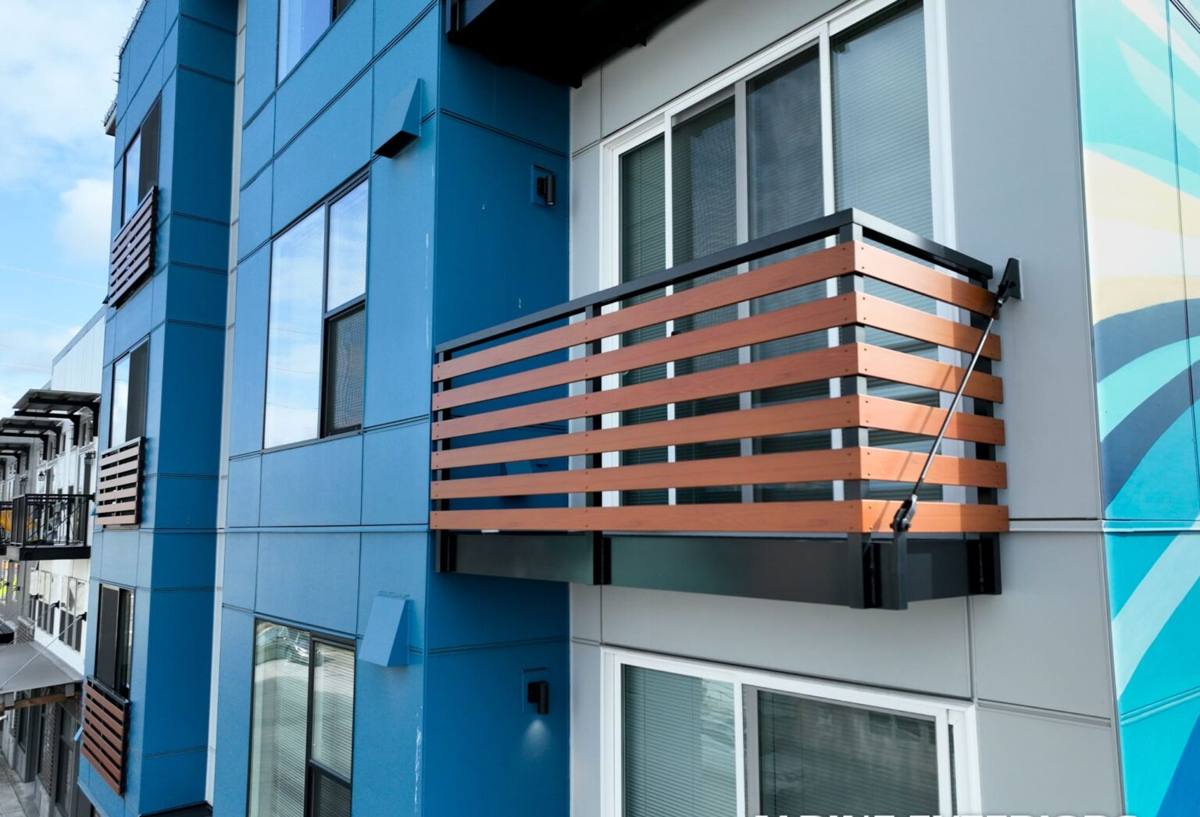
What Whatcom County Weather Does to the Wrong Window
Most window failures we see in this area aren't really about the window itself — they're about moisture finding a way in and having nowhere to go. A few patterns show up again and again in older or poorly installed windows around Everson and the surrounding valley:
- Wood sills and trim that stay damp long enough to soften, then rot from the inside out
- Condensation building up between panes on older or failing dual-pane units
- Caulking and sealant that cracked or shrank years ago and was never replaced
- Moss and algae staining on north-facing frames and sills that rarely get direct sun
- Drafts around the frame that trace back to missing or improperly lapped flashing, not the window itself
None of this is really a flaw in any particular window brand — it's what happens when a window designed for a general climate gets installed without accounting for how much water this region actually sees over a year, and how long it takes to dry out between storms.
Choosing the Right Window for an Everson Home
There isn't one "correct" window material for every home — it depends on the home's age, exposure, and how much upkeep the owner wants to do. Here's how the common options compare for a wet Pacific Northwest climate like this one:
| Material | Moisture Behavior | Maintenance | Typical Fit |
|---|---|---|---|
| Vinyl | Won't rot or absorb water; seams and welds matter more than the material itself | Low — occasional cleaning | Most Everson homes, especially budget-conscious full replacements |
| Fiberglass | Very stable in wet/dry cycling, resists warping | Low | Homes wanting a longer-term investment or larger window sizes |
| Wood-clad | Interior wood needs to stay dry; exterior cladding protects it but any breach matters | Moderate to high | Homes prioritizing a traditional wood interior look |
| Aluminum | Conducts cold, prone to condensation on the frame itself in humid climates | Low | Rarely our first recommendation for this region's humidity |
For most homes in and around Everson, we lean toward vinyl or fiberglass because they hold up to repeated wet-dry cycling without the ongoing sealing and refinishing that wood-clad windows ask for. That's not a knock on wood-clad windows — it's an honest trade-off between appearance and long-term maintenance in a climate that doesn't give wood much time to dry out.
Glass Packages Worth Asking About
Beyond the frame, the glass package matters more here than in drier regions. Double-pane with a low-E coating and argon fill is the baseline we recommend for this area — it cuts down on the condensation that shows up on cold, humid mornings and helps even out room temperatures during Whatcom County's damp winters. Homes with more exposure to wind and rain, or larger window openings, sometimes benefit from a triple-pane upgrade, though it's not always necessary to hit a home's comfort and efficiency goals.
What a Correct Custom Window Installation Actually Involves
The window itself is maybe half the job. The other half is everything around it that keeps water from getting behind the frame in the first place — and this is where a lot of installations quietly go wrong.
Flashing and Weather Barrier Integration
Flashing has to be lapped correctly with the home's existing weather-resistive barrier — sill pan, jamb flashing, and head flashing all installed in the right order so water sheds outward at every layer, never inward. This is the single biggest factor in whether a window stays dry for twenty years or starts showing rot in five.
Sealing Without Trapping Moisture
Every gap around the frame needs sealant, but sealing the wrong spots can trap moisture that gets in behind the trim instead of letting it drain back out. A correct install leaves the right drainage paths open even while sealing the areas that need to be airtight.
Fit and Shimming
A custom window is measured for the specific opening, but the opening still has to be shimmed level, plumb, and square before the window goes in. A window that's slightly racked won't seal evenly, and that shows up later as a draft or a sticking sash.
Trim and Finish Work
Interior and exterior trim need to be fitted and sealed with the same attention as the window itself, especially on exterior-facing sides that catch the most rain. This is also where moss and algae tend to start if the wrong material or finish is used on north- or west-facing exposures.
Energy Efficiency and Everyday Comfort
Well-installed custom windows make a noticeable difference in how a home feels day to day, not just on an energy bill. Drafts near windows are one of the most common comfort complaints we hear from homeowners in this area, especially in rooms with older single-pane or early dual-pane windows. Replacing those with correctly sized, correctly sealed custom units typically means:
- Fewer cold spots near windows in winter
- Less condensation fogging up glass on cold mornings
- Reduced outside noise, which matters near busier roads
- More consistent temperatures room to room
These gains come from the combination of the glass package and the installation quality together — a great window installed poorly won't deliver the efficiency it's rated for, and a mediocre window installed well will usually outperform expectations.
Our Process for Everson Window Projects
Every custom window job we take on in Everson follows the same basic sequence, adjusted for the specific home:
- On-site assessment of existing windows, framing condition, and any signs of past moisture intrusion
- Precise measurement of each opening — custom windows are ordered to fit, not trimmed to fit
- Material and glass package recommendations based on the home's exposure and the homeowner's priorities
- Removal of old windows with attention to what the opening and framing look like underneath
- Installation with correct flashing, sealing, and shimming — not just setting the window and caulking around it
- Interior and exterior trim finishing
- Final walkthrough so the homeowner understands what was done and what to expect
We don't skip the framing inspection step even when a homeowner just wants a straightforward swap. Finding a moisture issue behind an old window before it gets covered up by a new one is a lot cheaper than finding it years later.
Maintenance Checklist for Whatcom County Homeowners
Good windows still benefit from a little seasonal attention, especially given how long the wet season runs here. A few habits go a long way:
- Check exterior caulking and sealant once a year, typically before the fall rains set in
- Clean moss or algae buildup off sills and frames before it stains or holds moisture against the surface
- Wipe condensation off interior glass promptly during cold snaps rather than letting it sit on the sill
- Test that weep holes on vinyl or fiberglass frames aren't blocked by debris or paint
- Look for soft spots in exterior trim, which can signal moisture getting in behind the finish
Why Hire a Crew That Already Works in Everson
Everson's homes span a range of ages and construction styles, from older farmhouses to newer builds, and the right approach to a window replacement depends on what's already there — how the home was originally flashed, what kind of siding it has, and how exposed it is to wind and rain given its position in the valley. A crew that already works this area has seen how local homes hold up over time and knows what to check for before starting a project, rather than treating every home like a generic replacement job. That local familiarity also means straightforward scheduling and a team that understands Whatcom County's building requirements without having to relearn them on your project.
If you're weighing whether it's time to replace windows on an Everson home, we're happy to take a look and give you a straightforward assessment — no pressure, no upsell. Reach out for a free estimate using the form below, and we'll walk through what your home actually needs.