 Ferndale Siding
 Storm Damage Roofs in Marietta Face a Different Set of Problems
Marietta sits close to the water on the edge of Ferndale, and that location shapes what happens to a roof over time. Homes here take on a mix of stresses that inland Whatcom County properties don't deal with in the same combination: salt-laden air off the bay, wind that comes in hard and sideways during winter storms, and a moss season that stretches longer than most homeowners expect. None of these alone destroys a roof overnight. Together, over several storm seasons, they wear down flashing, lift shingles, and open small gaps that let water in long before anyone notices a leak inside the house.
When we talk about storm damage roof repair in this specific area, we're talking about diagnosing and fixing damage caused by that combination of wind, driving rain, and moisture — not a generic roofing service. The repair approach that works on a sheltered inland roof isn't always the right approach for a roof that's been taking wind off the water and staying damp under moss for weeks at a stretch.
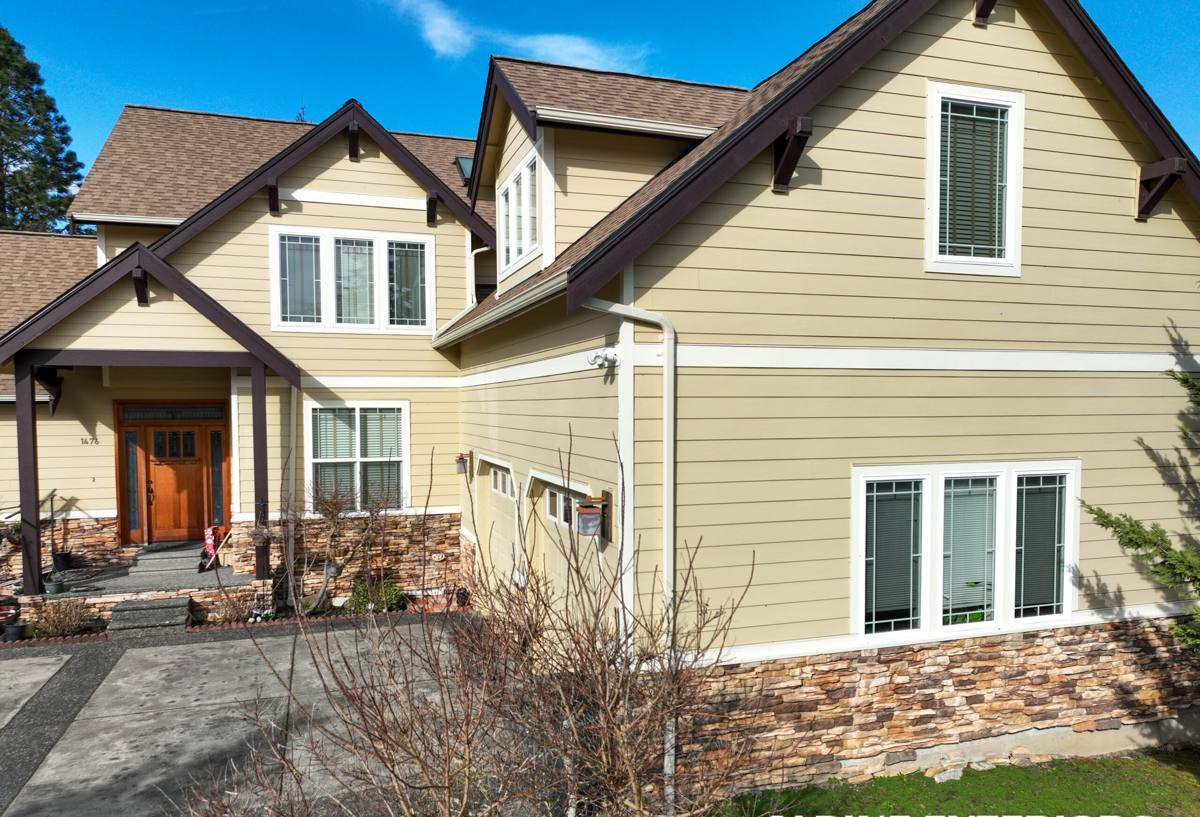
What Storm Damage Actually Looks Like
Storm damage isn't always a dramatic hole or a pile of shingles in the yard. Most of what we find during post-storm inspections in Marietta falls into a few categories, and some of the worst damage is the least visible from the ground.
Wind-Related Damage
- Shingles lifted, creased, or torn loose at the tabs, even if they're still nailed down
- Ridge cap shingles pulled up or cracked along the roof's peak, where wind uplift is strongest
- Loosened or bent flashing around chimneys, vents, and roof-to-wall transitions
- Granule loss on asphalt shingles from wind-driven debris, leaving bare spots that age faster
Water-Related Damage
- Wind-driven rain forced up and under shingle edges instead of running off normally
- Saturated or failing underlayment beneath shingles that look fine from a distance
- Water staining or soft spots on interior ceilings that trace back to a roof entry point, not always directly above the stain
Debris and Impact Damage
Tree limb strikes are common after windstorms, even from trees that look healthy. A limb doesn't have to punch through the deck to cause a problem — it can crack shingles, tear flashing, or knock granules loose in a way that shortens the life of that section of roof by years.
Why Waiting Costs More Than the Repair Itself
A damaged section of roof rarely stays a small problem in this climate. Once wind or debris breaks the seal on a shingle or flashing joint, driving rain finds that opening on the next storm, and the moss and moisture that build up during our wet season keep that opening damp for months at a time. What starts as a lifted shingle can turn into rotted decking, stained drywall, or insulation that has to be pulled out and replaced. The repair that would have taken a few hours right after the storm turns into a much larger job once water has been working its way into the structure for a season.
This is the main reason we recommend a roof inspection after any significant windstorm, even if nothing looks obviously wrong from the driveway. Catching lifted flashing or a cracked shingle early is a small repair. Catching it after it's caused a leak is not.
How We Handle a Storm Damage Repair
1. Emergency Stabilization
If a storm has left an active leak or exposed decking, the first priority is stopping water intrusion — typically with a temporary tarp or patch secured well enough to hold through the next round of weather while a permanent repair is scheduled.
2. Full Roof Assessment
We inspect beyond just the obviously damaged spot. Wind damage often shows up in a pattern — one exposed slope, one edge, one area near a roof valley — and we check the whole roof plane for related issues rather than patching a single shingle and missing the flashing that failed next to it.
3. Matching the Repair to the Damage
Some storm damage is a straightforward shingle and flashing repair. Some reveals underlayment or decking issues that need to be addressed before new shingles go back down, otherwise the repair just fails again in the next storm. We explain what we find and why a given repair is or isn't enough before any work starts.
4. Execution and Cleanup
Repairs are tied into the existing roof correctly — proper shingle overlap, flashing sealed and lapped the right direction for water to shed downhill, fasteners set to hold in coastal wind conditions. We clear debris and check gutters and downspouts near the repair area, since clogged drainage is one of the more common reasons a minor roof issue turns into a bigger one.
Repair or Replace? What We Actually Look At
Not every storm-damaged roof needs a full replacement, and not every roof is worth repairing indefinitely. The decision comes down to a few honest factors, which we walk through with the homeowner rather than defaulting to the more expensive option.
| Factor | Favors Repair | Favors Replacement |
|---|---|---|
| Roof age | Under roughly 12-15 years, in generally good condition | Nearing or past the expected lifespan for the material |
| Extent of damage | Localized — one slope, one flashing area, isolated shingles | Widespread across multiple slopes or repeated storm cycles |
| Decking condition | Solid, dry decking under the damaged area | Soft, rotted, or repeatedly wet decking |
| Moss and moisture history | Minor buildup, no sustained trapped moisture | Long-term moss cover with moisture damage to underlayment |
| Shingle match availability | Existing shingle style/color still available or close enough | Discontinued product forcing a visibly mismatched patch |
Cost for a storm damage repair varies widely depending on the scope — a single flashing repair is a different job than replacing a full slope of shingles and decking. We give a specific number after seeing the actual damage rather than a blanket estimate, since guessing on price before an inspection tends to be wrong in one direction or the other.
Building Repairs to Hold Up Against Salt Air and Wind
Coastal exposure changes what "correct" looks like on a repair. Fasteners and flashing that would be fine on a sheltered inland roof can corrode faster near the water if the wrong materials are used. We favor flashing and fastener choices suited to salt-air exposure, and we pay close attention to how shingles are sealed and fastened at exposed edges and ridges, since that's where wind uplift does its work first. Underlayment choice matters too — in an area with a long wet season, a repair that doesn't include adequate underlayment under the new shingles is a repair that's likely to need attention again sooner than it should.
Moss: A Slow but Steady Contributor to Storm Damage
Moss doesn't cause storm damage directly, but it sets a roof up to suffer more from it. A moss-covered roof holds moisture against the shingles longer, which softens the granule bond and makes shingles more brittle and prone to cracking under wind stress or impact. When we're repairing storm damage on a roof with heavy moss growth, we address the moss as part of the job — not as an upsell, but because leaving it means the surrounding shingles are more likely to fail in the next storm even after the immediate damage is fixed.
Working With Insurance on a Storm Claim
Many storm damage repairs in this area are covered, in whole or part, by homeowners insurance, depending on the policy and the cause of damage. We can document the damage we find — photos, a written description of the cause and extent — to support a claim, but we don't handle the claim itself or make promises about what an insurer will approve, since that decision is between the homeowner and their insurance company. What we can do is give a straightforward, accurate account of what happened to the roof, which tends to make that conversation easier.
Why Local Storm Experience Matters
A crew that regularly works roofs in and around Ferndale and Marietta has a working sense of which slopes on which roof orientations tend to take the worst wind, how moss builds up differently on a shaded north-facing roof versus one that gets more sun, and how coastal moisture affects material choices over time. That's not something you get from a single inspection — it comes from doing this work repeatedly in Whatcom County conditions. It shows up in small decisions during a repair: which direction flashing gets lapped given the prevailing wind and rain direction here, how much ventilation a repaired section needs to avoid trapping moisture, and where moss is likely to return if it isn't addressed now.
After the Repair: Keeping Storm Damage From Coming Back
A good repair holds up better with a bit of ongoing attention, especially given how many storm seasons a Marietta roof goes through in a normal year.
- Have the roof checked after any storm with sustained high winds, even if nothing looks wrong from the ground
- Keep gutters and downspouts clear so storm water actually drains instead of backing up under the roof edge
- Trim back tree limbs that overhang the roof or could reach it in high wind
- Address moss buildup before it spreads across a full slope, not after
- Watch for granule buildup in gutters, which often signals accelerated shingle wear
- Keep an eye on ceilings and attic spaces for early signs of moisture, before a stain becomes visible from the room below
If a recent storm has left you with missing shingles, a leak, or just a nagging feeling that something's not right up there, we're glad to take a look. We offer free, no-pressure estimates for storm damage roof repair in Marietta and the surrounding Ferndale area — reach out using the form below and we'll get you scheduled.