 Ferndale Siding
 Windows Built for the Nooksack Climate
Homes in the Nooksack area sit in a stretch of Whatcom County where marine air off Bellingham Bay meets river-valley moisture and long stretches of low winter sun. That combination is hard on old windows. Single-pane and early dual-pane units from the 1980s and 90s were never engineered for the amount of driving rain, condensation, and salt-laden air this corner of Washington sees for months at a time. If your windows fog between the panes, feel cold to the touch in January, or have wood sashes that are starting to swell and stick, that's not just an efficiency problem — it's a sign the seals and frame are losing their fight with the climate.
Energy-efficient window replacement here isn't a cosmetic upgrade. It's about closing the gap between what a window was built to handle and what Nooksack actually throws at it year-round.
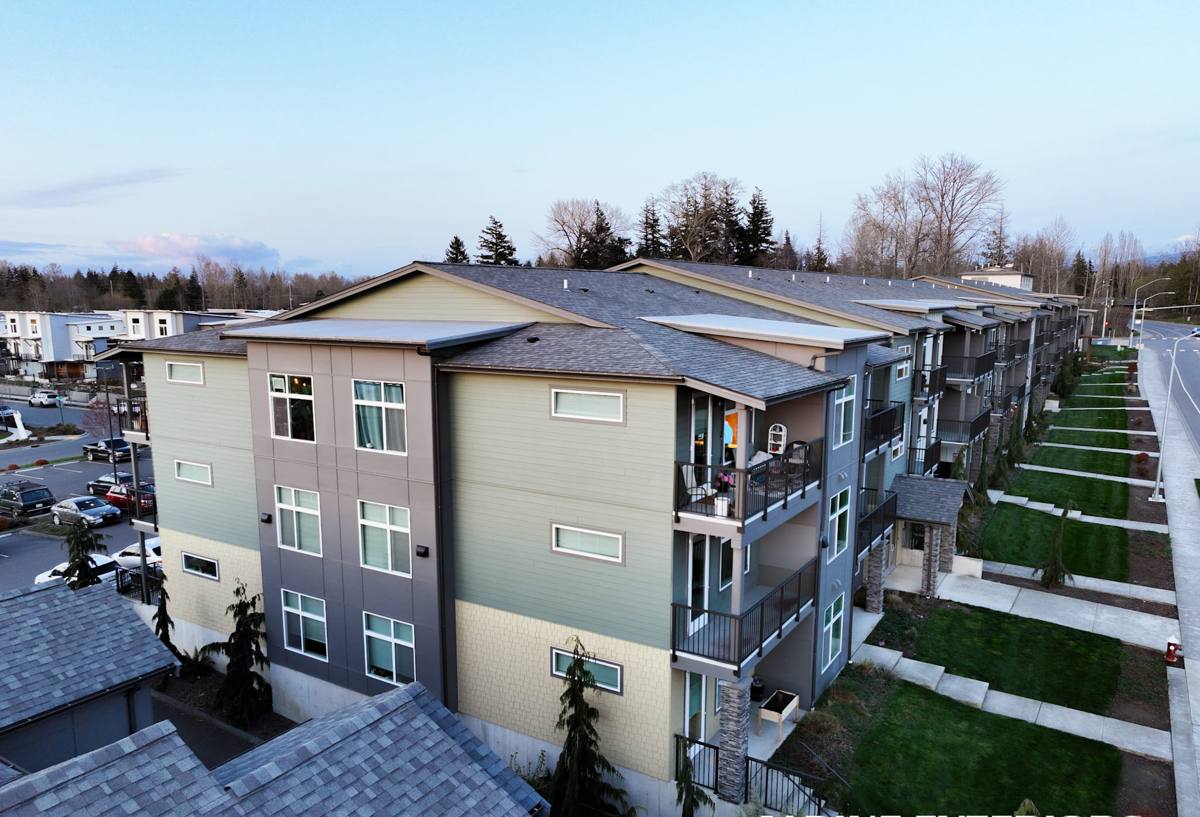
What the Local Climate Actually Does to a Window
Salt Air and Metal Fatigue
Proximity to Puget Sound and Bellingham Bay means airborne salt finds its way onto every exterior surface, including window hardware. Cheaper aluminum and low-grade vinyl hardware corrodes faster here than it would inland. Locks stiffen, hinges pit, and rollers on sliders bind up. Good window systems use hardware rated for coastal exposure, and that detail matters more in Nooksack than it would 50 miles east.
Driving Rain and Wind-Driven Water
Whatcom County storms don't just drop rain straight down — winter systems push it sideways against west- and south-facing walls. A window that isn't flashed and sealed correctly will let water track behind the frame long before you ever see a stain on the interior sill. By the time you notice a soft spot in the drywall, the sheathing behind it has usually been wet for a season or two.
Moss Season and Trapped Moisture
The long wet season that grows moss on your roof and siding does the same thing to window sills, especially on the shaded north and east sides of a house near tree cover. Moisture that sits in a poorly ventilated frame or gets trapped behind failed caulk keeps wood trim damp for weeks, which is exactly the environment that invites rot and mold. Efficient windows paired with correct flashing and drainage keep that moisture moving out instead of settling in.
Signs a Nooksack Home Needs New Windows
- Visible condensation or fogging between the panes of a dual-pane window — the seal has failed and the gas fill is gone
- Cold drafts near the frame even when the window is latched shut
- Wood sashes or sills that are soft, swollen, or peeling despite regular paint upkeep
- Windows that are hard to open, close, or lock — often a sign of frame warping or corroded hardware
- Noticeably higher heating bills compared to similar-sized homes nearby
- Visible daylight or a whistling sound around the frame during winter storms
- Interior sills that stay damp or show early mold spotting through fall and winter
What Makes a Window "Energy-Efficient" — In Plain Terms
The label gets used loosely, so here's what actually matters for a Whatcom County home:
| Feature | Why It Matters Here |
|---|---|
| Low-E glass coating | Reflects heat back into the home in winter and blocks excess solar heat in summer — reduces both heating and cooling load |
| Argon or krypton gas fill | Slows heat transfer between panes; loses effectiveness once a seal fails, which is why fogged glass means replacement, not repair |
| Warm-edge spacer system | Reduces condensation risk at the glass edge, which matters in our humid, low-sun winters |
| Multi-point locking hardware | Compresses the sash tightly against weatherstripping, cutting drafts and wind infiltration during storms |
| Fusion-welded vinyl or fiberglass frame | Resists the swelling, cracking, and water intrusion that wood and mitered-corner frames are prone to in wet climates |
| Proper flashing and drainage plane | Keeps wind-driven rain from getting behind the frame in the first place — the single biggest factor in long-term performance |
Frame Materials: What We Recommend and Why
We install vinyl and fiberglass window systems as our standard for this region, and we're upfront about why. Wood-frame windows can look great, but they demand a level of ongoing maintenance — repainting, caulking, sill inspection — that most homeowners underestimate, and any gap in that upkeep schedule gets punished fast in a climate this wet. Aluminum frames conduct cold and are more prone to condensation and salt-related corrosion unless they're a thermally broken, marine-rated product, which adds cost without necessarily adding value over a good vinyl or fiberglass unit.
Vinyl and fiberglass frames don't rot, don't need repainting, and hold their seal integrity longer under constant damp exposure. That's a trade-off we're comfortable recommending honestly: less material romance, more long-term reliability for the money.
Glass Package Considerations
Double-pane with Low-E and argon fill is the practical baseline for most Nooksack homes. Triple-pane glass adds real efficiency and sound dampening — worth considering on a home near a busier road, or for owners who run heating hard through the winter — but it adds weight and cost, and the marginal energy return has to be weighed against the price difference. We'll walk through that trade-off honestly during your estimate rather than upselling a package your home doesn't need.
How Our Window Replacement Process Works
1. On-Site Assessment
We inspect existing frames, sills, and the surrounding wall assembly — not just the glass. In a climate like ours, hidden water damage around a window opening is common enough that we check for it before quoting the job, so there are no surprises once the old unit comes out.
2. Measuring and Product Selection
Every opening gets measured individually; older homes in this area often have openings that aren't perfectly square or consistent from window to window. We match frame material, glass package, and hardware to each elevation's exposure — a window on the storm-facing side of the house may warrant a different spec than one tucked under an eave.
3. Removal and Inspection of the Opening
Once the old window is out, we inspect the rough opening, sill, and framing for rot or moisture damage before anything new goes in. Replacing a window over compromised framing just seals the problem behind new trim — we address what we find rather than covering it up.
4. Correct Flashing and Sealing
This is the step that determines whether a window performs for 20 years or leaks in five. We install flashing tape and sealant in a shingled, water-shedding sequence so any moisture that reaches the assembly drains out and away from the wall, not into it.
5. Setting, Shimming, and Insulating
The new window is shimmed level and plumb, then insulated around the perimeter with low-expansion foam or backer rod — enough to seal drafts without bowing the frame out of square, which can affect how well the sash operates and seals over time.
6. Interior and Exterior Finish
Trim, caulking, and touch-up work are completed on both sides, and we walk the finished opening with you before considering the job done.
Cost Factors to Expect
Every home and opening is different, so a real number comes from a walkthrough, not a website estimate. That said, homeowners planning ahead should know what tends to move the price up or down:
| Factor | Effect on Cost |
|---|---|
| Number of windows replaced at once | Bundling openings typically lowers the per-window cost versus one-off replacements |
| Frame material (vinyl vs. fiberglass) | Fiberglass generally costs more upfront but holds up longer under constant moisture exposure |
| Glass package (double vs. triple-pane) | Triple-pane adds cost and weight; worth it for high-exposure walls or noise-sensitive rooms |
| Condition of the existing opening | Rot or framing repair discovered during removal adds labor and material beyond the base quote |
| Window size and configuration | Large picture windows, bays, or custom shapes cost more than standard operable units |
| Access and site conditions | Second-story or hard-to-reach openings can add labor time |
Why Hiring Local Experience Matters in Nooksack
A window installer who mainly works drier inland climates will spec and flash a job differently than one who works Whatcom County's wet side every week. The difference shows up years later — in how well the flashing sheds water during a January windstorm, in whether hardware is still turning smoothly after a few salt-air seasons, in whether the sill is still solid at the next inspection. We work homes in and around Ferndale and the Nooksack area regularly, which means we're not guessing at how this climate treats a window installation — we're building to what we've already seen hold up and what we've seen fail.
That local pattern recognition also shows up in smaller ways: knowing which elevations on a typical Nooksack-area home take the worst of the winter storms, recommending hardware that won't seize up from salt exposure, and catching moisture-damaged framing before it becomes a bigger repair. It's the kind of judgment that only comes from working the same conditions, house after house, season after season.
Maintaining Your New Windows
Energy-efficient windows are lower-maintenance than what they're replacing, but "lower" isn't "none." A few habits keep them performing for the long haul in this climate:
- Clean weep holes and drainage tracks each fall so they aren't blocked by debris going into the wet season
- Wipe down hardware periodically, especially on homes closer to the water, to slow salt buildup
- Check exterior caulking annually and re-seal any cracked or separated joints before winter storms arrive
- Keep gutters and downspouts clear so runoff isn't sheeting directly across window openings
- Watch for early condensation between panes — it's the first sign a seal is starting to fail
If your windows are drafty, fogged, or just tired after years of Whatcom County weather, we're happy to take a look and give you a straightforward, no-pressure estimate — no upsell, just an honest read on what your home actually needs. Reach out using the form below to get started.