 Ferndale Siding
 Why Siding Takes a Beating in Sandy Point
Homes in Sandy Point deal with a combination of stresses that inland Whatcom County properties simply don't see as often. The shoreline setting means near-constant exposure to salt-laden air, which accelerates corrosion on fasteners, trim, and any siding material that isn't built to handle it. Add in driving rain that comes sideways off the water during winter storms, and you've got moisture finding its way into seams, laps, and corner joints that would stay dry on a more sheltered inland lot.
Then there's the moss and mildew season, which in this part of Ferndale can stretch from fall through spring. Constant damp, filtered sun under tree cover, and north-facing walls that never fully dry out create ideal conditions for organic growth to take hold on siding surfaces and work its way into any gaps or damaged areas. Siding that's already compromised — a cracked board, a failed caulk joint, a spot where paint has worn through — gives moss and moisture a foothold that spreads the damage faster than most homeowners expect.
None of this means Sandy Point homes are doomed to constant repair. It means the repairs need to actually address what's happening, not just patch the cosmetic symptom and leave the underlying cause to keep working on the wall.
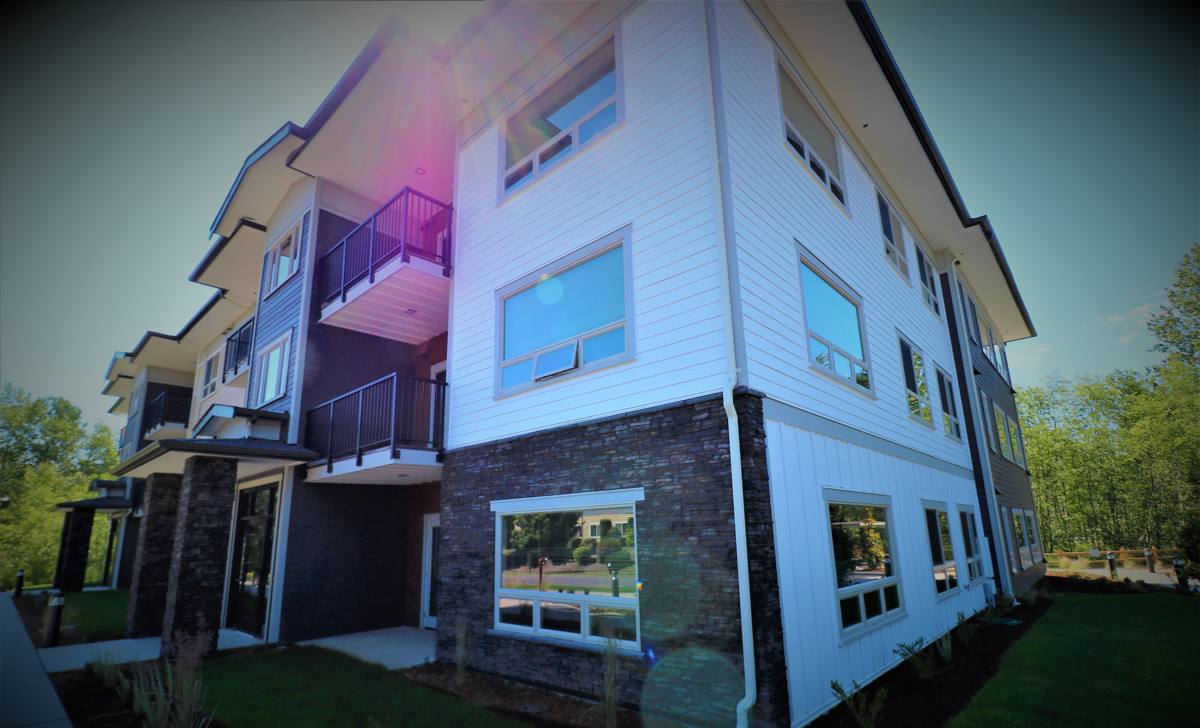
Signs Your Siding Needs Repair, Not Just Paint
A lot of siding problems in this area get misdiagnosed as paint issues. Homeowners see fading, chalking, or a dull finish and assume a fresh coat will fix it. Sometimes that's true. Often, especially on older siding, it isn't. Here's what actually points to a repair need rather than a cosmetic touch-up:
- Boards that are soft, spongy, or crumbling when pressed — a sign moisture has already gotten into the material itself
- Visible cracking or splitting, especially near corners, butt joints, or where boards meet trim
- Persistent moss or dark staining that comes back within weeks of cleaning
- Gaps or separation at seams and laps where caulking has failed or shrunk
- Bubbling, peeling, or flaking paint that exposes bare substrate underneath
- Warping or bowing sections, particularly on walls that face prevailing wind and rain
- Rust streaks below nail heads or fasteners, a common issue in salt-air exposure
If you're seeing more than one of these on the same section of wall, that's usually a sign the damage has moved past the surface and into the material or the wall assembly behind it.
What Happens If Damage Gets Ignored
Siding isn't just a cosmetic layer — it's the primary barrier keeping water out of your wall framing, sheathing, and insulation. A small crack or gap left unaddressed through one more wet Whatcom County winter can let enough moisture behind the siding to start affecting the sheathing underneath, which turns a straightforward siding repair into a much larger and more expensive framing repair. Catching problems early is almost always the cheaper path.
What a Correct Siding Repair Actually Involves
A repair that's done right isn't just swapping a damaged board for a new one and calling it finished. It involves a few steps that get skipped more often than they should:
1. Diagnosing the Cause, Not Just the Symptom
Before any material comes off the wall, we look at why that section failed. Was it a flashing issue letting water behind the siding? A caulk joint that failed years ago and went unnoticed? Wind-driven rain finding a gap that wouldn't be a problem on a more sheltered wall? Replacing the board without fixing the cause just means the same spot fails again.
2. Checking What's Behind the Siding
Once damaged material is removed, we check the water-resistive barrier, flashing, and sheathing underneath. If moisture has gotten past the siding, that's the part that actually needs to be dry and sound before new material goes back up. Covering a wet or compromised substrate with new siding just hides a problem that keeps growing.
3. Matching Material and Finish
Repair sections need to match the existing siding in profile, exposure, and finish as closely as possible. A mismatched patch is obvious from the street and, more importantly, can create its own moisture path if the profiles don't align correctly at the seams.
4. Proper Flashing, Fastening, and Sealing
New material gets installed with correct fastener placement, appropriate gaps for expansion, and flashing detail at any penetration or joint — not just caulked over and painted. Caulk is a backup layer, not the primary defense against water intrusion.
Repair or Replace? How We Make That Call
Not every damaged section needs a full re-side, and not every problem can be solved with a patch. Here's the general breakdown we use when walking a Sandy Point property:
| Situation | Usually Repair | Usually Replace |
|---|---|---|
| Isolated impact damage (one or two boards) | Yes | — |
| Localized moisture damage caught early | Yes | — |
| Widespread cracking or softening across multiple walls | — | Yes |
| Siding is near or past its expected service life | — | Yes |
| Underlying sheathing has significant rot | — | Yes |
| Cosmetic wear with no structural or moisture issue | Yes (repair/refinish) | — |
| Repeated failures in the same area despite past repairs | — | Yes |
We'll always tell you honestly which category your situation falls into. If a targeted repair will genuinely hold up, that's what we recommend — there's no reason to push a full replacement on a homeowner who doesn't need one.
Our Sandy Point Siding Repair Process
The process is straightforward, but we don't skip steps just to move faster:
- On-site inspection. We walk the affected areas and check adjacent sections that might be showing early signs of the same problem, since damage in this climate rarely stays isolated for long.
- Diagnosis and written scope. You get a clear explanation of what caused the damage, what needs to happen to fix it correctly, and what it will cost — before any work starts.
- Substrate check. Damaged siding comes off, and we assess what's underneath before any new material goes up.
- Repair execution. Matching material is installed with correct fastening, flashing, and sealing details.
- Finish and quality check. Repaired sections are finished to blend with the surrounding siding, and we walk the job with you before calling it done.
Why Hardie Fiber Cement Repairs Differently Than Other Sidings
We install and repair exclusively with James Hardie fiber cement siding, and that choice matters most in exactly the conditions Sandy Point deals with. Fiber cement doesn't rot, doesn't feed moss and mildew the way wood-based products can, and it's non-combustible. It's also engineered specifically for wet, coastal-influenced climates like ours through Hardie's HZ5 product line, which is built to hold up against the freeze-thaw cycles, moisture, and wind exposure common in the Pacific Northwest.
Hardie's ColorPlus factory-applied finish is another advantage when it comes to repairs. Because the color is baked on at the factory rather than field-applied, a properly matched replacement board blends in far more consistently than trying to hand-match a field-painted product, and it resists the fading and chalking that make repairs on older painted siding harder to blend seamlessly.
We don't repair or install LP SmartSide, vinyl, Cemplank, Allura, primed spruce, or cedar. That's not a knock on every homeowner who has one of those products — it's that after years of doing this work in exactly this climate, fiber cement from Hardie is what we've seen hold up with the least maintenance burden and the fewest repeat problems. When we're repairing a home with a different siding material, we'll tell you honestly what your options are, including where a full transition to Hardie makes more long-term sense than continuing to patch a product that keeps failing in this environment.
Why a Crew That Already Works Sandy Point Matters
Siding repair isn't one-size-fits-all, and a contractor who mostly works drier, more sheltered neighborhoods can miss things that are obvious to a crew that regularly works waterfront and near-waterfront properties in this part of Whatcom County. Knowing which wall orientations take the worst of the wind-driven rain, how fast moss re-establishes itself in this microclimate, and what fastener and flashing details actually hold up under salt air exposure isn't something you learn from a manual — it's something you learn from doing the work here repeatedly.
There's also a practical side to it. A crew already working in the area can typically get to a repair faster, is familiar with the access and logistics of getting materials to waterfront and shoreline lots, and has already seen how the siding on similar homes nearby has performed over time — which makes the repair-or-replace call more accurate from the first visit.
A Quick Homeowner Checklist Before You Call
If you're not sure whether what you're seeing warrants a repair call, walk your exterior and check for these:
- Press on any area that looks discolored or stained — does it feel soft or spongy?
- Look closely at corners and butt joints for visible gaps or cracked caulk
- Check north- and west-facing walls first — they typically take the worst of the moisture and moss
- Note any spot where paint is peeling down to bare material rather than just fading
- Look for rust streaking below fastener heads
- Check whether moss returns quickly after cleaning in the same spot
- Look inside, near exterior walls, for any musty smell or discoloration on interior trim that might point to moisture coming through from outside
If you find one or two of these, it's worth a call before the next wet season. If you find several, especially clustered on the same wall, don't wait — that's usually a sign the damage is more advanced than it looks from the ground.
Maintaining Repaired Siding Going Forward
A good repair should hold up, but a little routine attention extends that further in this climate. Rinse siding periodically to keep moss and mildew from establishing, especially on shaded or north-facing walls. Keep gutters clear so overflow isn't running down the wall face. Trim back vegetation that's keeping any section of siding shaded and damp longer than it needs to be. And if you notice a new crack, gap, or soft spot anywhere, get it looked at while it's still small — that's the difference between a quick repair and a much bigger project down the line.
If you're dealing with damaged, aging, or moss-covered siding on a Sandy Point home, we're happy to take a look and give you an honest read on what it needs. Reach out for a free, no-pressure estimate — there's no obligation, just a straight answer about repair versus replacement and what it would take to get it done right.