 Ferndale Siding
 Siding Installation in Blaine: A Different Climate Problem Than Inland Whatcom County
Blaine sits right on the water, tucked against Semiahmoo Bay and Drayton Harbor along the Canadian border. That location gives homeowners some of the best views in Whatcom County — and some of the hardest conditions for exterior siding anywhere in the region. Homes here deal with salt-laden air blowing off the bay, wind-driven rain that hits walls at an angle instead of just falling straight down, and a long, damp moss season that starts earlier and lasts longer than it does even a few miles inland in Ferndale.
We install siding across Whatcom County, but Blaine gets treated as its own case. The combination of salt exposure and coastal wind load changes what "correct installation" actually means on a given wall, and it changes which products are even worth considering in the first place.
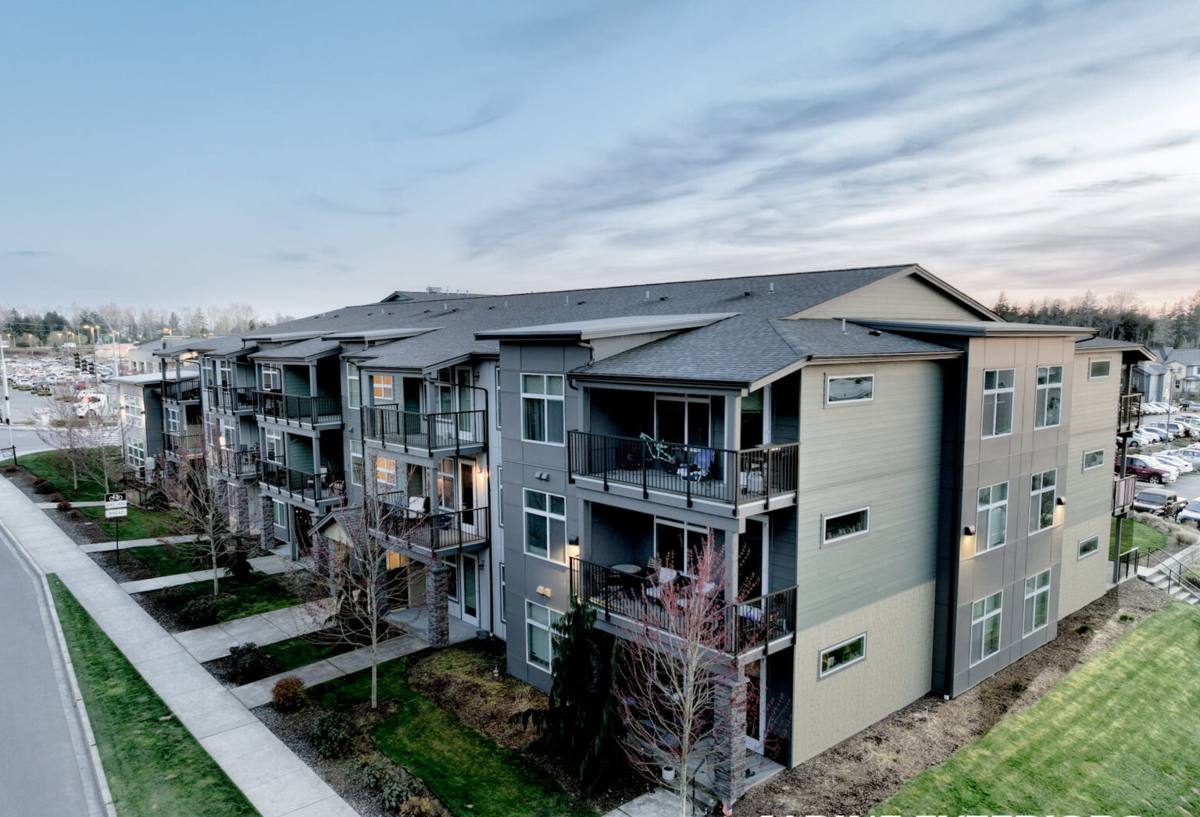
Why Salt Air Changes the Math on Siding
Salt air isn't just a coastal inconvenience — it's chemically aggressive. Airborne salt accelerates corrosion on metal fasteners, flashing, and trim, and it interacts with certain siding coatings differently than it does inland. On a bay-front or near-bay property, siding, fasteners, and flashing all need to be chosen with that exposure in mind, not just picked off a generic materials list.
This is one of the biggest reasons we standardized on James Hardie fiber cement instead of offering a mix of products. Fiber cement is non-combustible and dimensionally stable, and it doesn't rot, delaminate, or feed insects the way wood-based products can. Combined with the right stainless or coated fastener package and correctly detailed flashing, it holds up to salt exposure far better than most alternatives we'd otherwise be asked to install.
What Salt Exposure Does to the Wrong Siding Choice
- Untreated or lightly coated wood trim and siding can start showing surface breakdown faster near open water.
- Vinyl siding can become brittle and discolor faster under UV plus salt air than it does inland.
- Uncoated or poorly protected fasteners corrode faster, leading to staining and eventual fastener failure.
- Caulk and sealant joints break down faster under constant salt-moisture cycling if the wrong products are used.
Driving Rain: The Other Half of the Blaine Equation
Wind off the bay doesn't let rain fall politely straight down — it drives it sideways into walls, corners, and window and door openings. That means water management at every penetration and transition matters more in Blaine than it would on a sheltered inland lot. A siding installation that would hold up fine on a calm, tree-protected property inland can fail years earlier on an exposed waterfront or near-water lot if the water-resistive barrier, flashing, and siding laps aren't detailed for wind-driven rain specifically.
This is a water management problem first and a siding problem second. The siding itself is the visible layer; the water-resistive barrier, window and door flashing, kick-out flashing at roof-to-wall intersections, and properly lapped and fastened panels underneath are what actually keep a home dry through a wet, windy winter.
Where Driving Rain Exposes Poor Workmanship
- Window and door flashing that isn't lapped correctly to shed water outward, not into the wall assembly.
- Butt joints and panel seams that aren't caulked or backed correctly for wind-driven moisture.
- Missing or undersized kick-out flashing where roof lines meet siding walls.
- Inconsistent nailing patterns that leave panels loose enough to flex and let water past the lap.
Moss Season: Longer and Earlier Near the Water
Whatcom County's wet season already runs long, but the moisture-holding conditions near Blaine's shoreline — shade, humidity, and slower drying between rain events — mean moss and algae growth often starts earlier in the fall and hangs on later into spring than it does a few miles inland. Moss on siding isn't just a cosmetic issue. It holds moisture against the surface, and over time that constant dampness stresses seams, fastener points, and any weak spots in the water-resistive barrier underneath.
James Hardie's factory-applied ColorPlus finish gives you a harder, more consistent surface to work with than field-applied paint, which helps moss and mildew wash off more easily and reduces how often the siding needs attention. It doesn't make moss impossible — nothing does in this climate — but it gives homeowners a surface that's easier to keep clean and that won't absorb moisture into the substrate the way wood-based sidings can.
What a Correct Siding Installation Involves in Blaine
A proper installation here isn't just nailing panels to a wall. It's a sequence, and skipping steps is exactly what shows up as problems two or three winters later.
- Tear-off and inspection. Remove existing siding and inspect the sheathing underneath for rot, soft spots, or prior water damage — common on older bay-area homes.
- Sheathing repair. Replace any compromised sheathing before anything else goes on the wall. Covering damaged sheathing just locks the problem in.
- Water-resistive barrier. Install a correctly lapped weather barrier suited to the exposure level of the wall — waterfront and wind-exposed elevations get more attention than sheltered ones.
- Flashing at every penetration. Windows, doors, roof-to-wall transitions, and any wall penetrations get flashed to shed water outward, not trap it.
- James Hardie panel installation. Panels installed to manufacturer spec — correct nailing pattern, proper gaps and clearances, and fastener selection suited to coastal exposure.
- Trim, caulking, and final detailing. Corners, joints, and transitions sealed with products rated for the moisture and salt exposure the wall will actually see.
Comparing Approaches: What Changes Near the Water
| Factor | Typical Inland Whatcom County | Blaine (Bay-Adjacent) Conditions |
|---|---|---|
| Fastener corrosion risk | Standard | Elevated — coastal/stainless-rated fasteners recommended |
| Wind-driven rain exposure | Moderate | Higher on open or waterfront-facing elevations |
| Moss/algae season length | Long | Longer, starts earlier in fall |
| Flashing detail sensitivity | Important | Critical — errors show up faster |
| Siding material tolerance for moisture cycling | Matters | Matters significantly more |
Why We Only Install James Hardie
We made a deliberate decision not to offer LP SmartSide, vinyl, Cemplank, Allura, primed spruce, or cedar. Each of those products has legitimate uses somewhere, but in a climate like Blaine's — salt air, sustained wind-driven rain, and a long moss season — we don't think they hold up as consistently as fiber cement when installed and maintained the way most homeowners realistically will maintain them. Wood-based products need more consistent upkeep to resist moisture and pests. Vinyl has real limits under UV and salt exposure and can't match fiber cement's rigidity in high wind. Other fiber cement brands may be reasonable products, but we've standardized on Hardie's HZ10 line, engineered specifically for wetter, harsher climates, along with the ColorPlus factory finish and Hardie's transferable limited warranty.
Standardizing on one product line also means our crews aren't relearning installation quirks between jobs — the same detailing standards apply on every Blaine project, which is part of how we keep flashing and water management consistent from house to house.
Our Process for Blaine Siding Projects
- On-site assessment. We walk the property, note exposure levels on each elevation, and check for existing moisture or rot issues before quoting anything.
- Straightforward scope and pricing. You get a clear breakdown of what's being replaced, what's being repaired, and why — no vague allowances.
- Sheathing and structural check during tear-off. Problems get flagged and discussed before we close the wall back up.
- Manufacturer-spec installation. Flashing, barrier, and panel work done to James Hardie's published installation requirements, adjusted for this site's exposure.
- Final walkthrough. We go over the finished work with you before calling the job done.
Cost Factors for Blaine Siding Installation
Every home is different, but a few factors tend to move the price more in Blaine than they would inland:
| Cost Factor | Why It Matters Here |
|---|---|
| Sheathing condition | Waterfront and older homes more often need sheathing repair discovered during tear-off |
| Wall exposure level | Elevations facing open water or prevailing wind may need extra flashing detail and labor |
| Home size and complexity | More corners, windows, and roof-wall transitions mean more flashing points |
| Existing siding removal | Multiple layers or damaged material underneath add tear-off time |
| Trim and accessory scope | Fascia, soffit, and trim work bundled into the project add cost but improve overall water management |
We don't quote broad numbers without seeing the house — exposure, sheathing condition, and layout swing the price too much to guess responsibly. What we can tell you upfront is that we price the job to be done right the first time, with the flashing and barrier detail this location actually needs, not a stripped-down version to hit a lower number.
Why Hire a Crew That Already Works Blaine
Siding crews that mostly work sheltered, inland properties don't always adjust their habits for a site with real wind and salt exposure. That's not a knock on their skill — it's just a different set of conditions than they see day to day. A crew that regularly works Blaine and similar Whatcom County waterfront areas already knows to pay closer attention to fastener selection, flashing laps on wind-exposed walls, and water-resistive barrier detailing around bay-facing elevations, because they've seen what happens when those details get skipped in this specific climate.
That local pattern-recognition is worth more than it sounds like on paper. It's the difference between a siding job that looks right at handoff and one that's still performing correctly five or ten winters in.
If you're considering new siding for a home in Blaine, we're happy to take a look and give you a straightforward, no-pressure estimate — walk the exterior with you, point out anything we notice, and explain exactly what the job would involve. Use the form below to get started.