 Ferndale Siding
 Siding Replacement in Lynden: What the Local Climate Demands
Lynden sits inland from the coast, but it isn't spared from Whatcom County's weather. The same marine air that pushes salt and moisture off the Sound rolls east across the county, and Lynden's flat, low-lying farmland holds onto ground moisture and fog longer than town centers do. Add driving winter rain that comes in sideways during a good blow, and a moss season that can stretch from October through April, and you have a climate that is genuinely hard on exterior siding. Homes here don't fail because owners neglected them — they fail because a siding product or installation wasn't built for this specific mix of wet, cool, and humid.
Siding replacement in Lynden isn't a cosmetic upgrade. It's a chance to correct whatever let moisture in the first time, and to put a product on the wall that's engineered to handle a long wet season year after year without warping, rotting, or feeding mold.
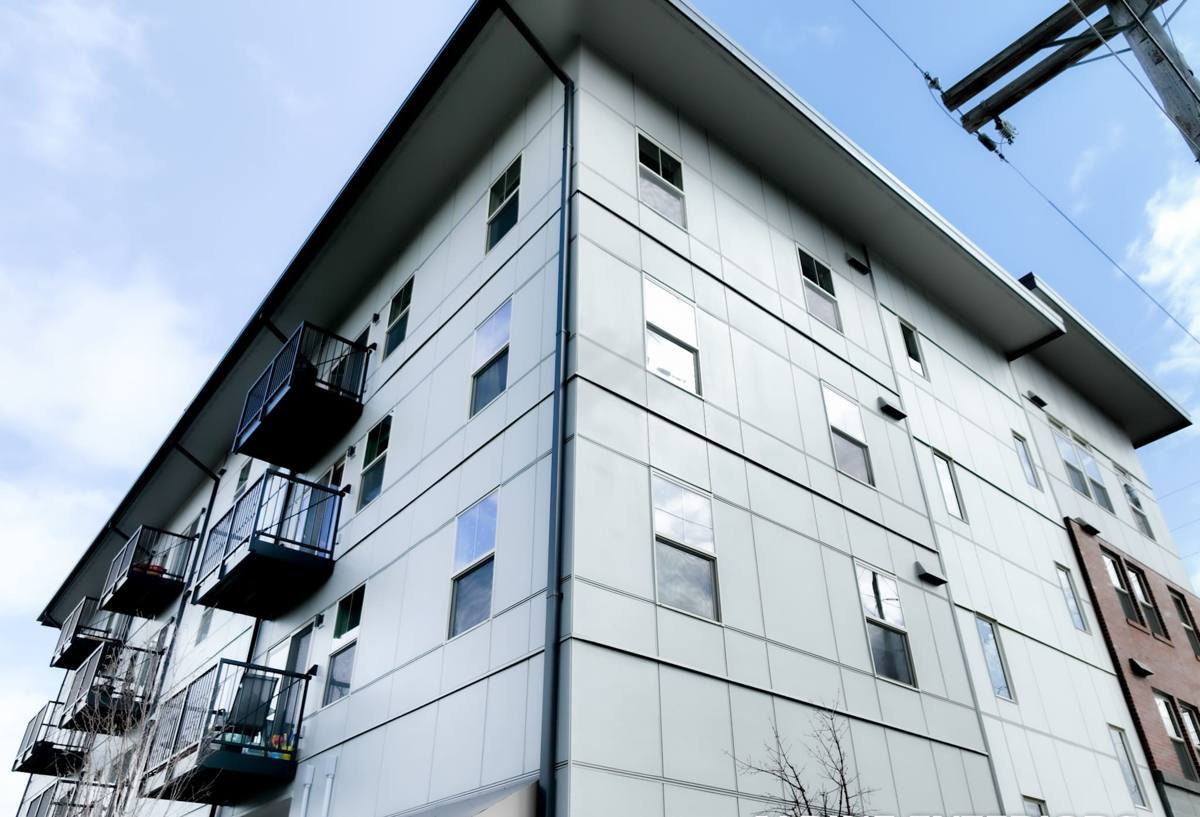
Signs Your Lynden Home Needs Siding Replacement
Some damage is obvious from the street. Other problems only show up once you look closely, or once a contractor pulls a piece of siding off the wall. Before you commit to a repair-only approach, walk your home's exterior and check for these:
- Soft or spongy siding when you press on it, especially near the bottom courses and around window sills
- Persistent moss or dark green-black streaking that comes back within weeks of cleaning
- Paint that's peeling, bubbling, or chalking off in your hand
- Visible warping, cupping, or buckling in panels or lap boards
- Gaps at seams, corners, or trim where caulk has failed or pulled away
- Interior signs — musty smell, damp drywall, or peeling interior paint on an exterior wall
- Siding that's original to a home built more than 20-25 years ago, especially wood-based products
If you're seeing two or more of these, especially the interior signs, it's worth having a contractor open up a section of wall rather than just patching the visible symptom.
Why Repairs Often Aren't Enough
Spot-repairing a section of failing siding treats the symptom, not the cause. If moisture got behind the old siding once, the water-resistive barrier and flashing underneath are likely compromised in more than one spot. A full replacement lets us inspect and correct the whole moisture management system behind the siding, not just the piece that finally gave out.
Why We Only Install James Hardie Fiber Cement Siding
We install one siding brand: James Hardie fiber cement. We don't carry LP SmartSide, vinyl, Cemplank, Allura, primed spruce, or cedar, and that's a deliberate standard, not a limitation of what we can source.
Fiber cement is cement, sand, and cellulose fiber — it doesn't have organic wood content for moisture to feed on, and it won't dent, crack from hail, or ignite the way some alternatives can. James Hardie backs its boards with a factory-applied ColorPlus finish that's baked on rather than sprayed on site, which matters in a climate where a field-applied paint job gets tested by rain within days of the crew leaving. The company also engineers regional HardieZone products (HZ5 for our climate zone) specifically for cold, wet conditions rather than selling one board nationwide. That engineering, plus a strong transferable warranty, is why we standardized on this one manufacturer instead of offering a menu of products with different moisture behavior and different long-term track records.
We're not going to tell you every other product is junk — vinyl is cheap and easy to install, wood has real curb appeal for some buyers, and engineered wood has improved over the years. But when we weigh installation sensitivity, moisture performance in a wet climate, and long-term maintenance against what we're willing to warranty our labor on, Hardie is what we put on homes.
What a Correct Siding Replacement Job Involves
Tear-Off and Inspection
We remove the old siding down to the sheathing and inspect it before anything new goes up. Any soft, rotted, or water-stained sheathing gets identified and replaced — covering it back up with new siding just delays the same problem. This is also when we check the condition of the framing around windows and doors, since that's where most leaks in older Lynden homes originate.
Water-Resistive Barrier and Flashing
This layer, not the siding itself, is the primary defense against bulk water. We install a new weather-resistive barrier, correctly lapped from bottom to top so water sheds outward instead of behind it, and we flash every window, door, and penetration so water is directed out and away from the wall assembly. In a climate with sustained driving rain, sloppy flashing detail is the single most common cause of premature siding failure.
Installation to Manufacturer Spec
James Hardie's warranty depends on installation matching their published specs — correct fastener type and spacing, proper clearance from grade, decks, and roof lines, and correct gaps at butt joints and trim to allow for material movement. Skipping these details doesn't just risk the warranty; it's exactly the kind of shortcut that lets water find its way behind the board in year three or four instead of year twenty.
Finish and Trim
We finish with corner boards, trim, and caulk detailing that match the home's existing lines where you're keeping the same look, or a new profile if you're changing style. Every seam and penetration gets sealed with an eye toward how water actually moves down a wall during a real Whatcom County storm, not just how it looks on a dry day.
James Hardie Product Lines We Use in Whatcom County
Not every Hardie product fits every part of a house. We select the line based on where it's going and how it needs to perform.
| Product | Best Use | Why It Fits Lynden |
|---|---|---|
| HardiePlank lap siding | Main wall siding, most common choice | Traditional lap look, HZ5 engineered for cold/wet climates, wide color range |
| HardiePanel vertical siding | Accent walls, gables, modern facades | Clean vertical lines, pairs well with board-and-batten detailing |
| HardieShingle siding | Accent areas, gables, cottage-style homes | Shingle look without the maintenance burden of real wood shakes in a wet climate |
| HardieTrim boards | Corners, window and door trim, fascia | Consistent, non-combustible trim that won't rot at the vulnerable edges of a wall |
We'll walk you through which lines and colors make sense for your home during the estimate, based on your home's style and exposure.
Cost Factors for Siding Replacement
We don't quote a number until we've seen the house, but these are the variables that move the price up or down on most Lynden projects:
| Factor | Impact on Cost |
|---|---|
| Sheathing/framing condition found at tear-off | Rot or water damage discovered underneath adds repair cost before new siding goes on |
| Home size and wall complexity | More corners, gables, and dormers mean more cutting, trim, and labor time |
| Number of stories | Second-story and multi-story work requires more scaffolding/staging |
| Product line and profile | Lap width, shingle detailing, and trim choices vary in material cost |
| Existing siding removal | Multiple layers of old siding add to tear-off and disposal time |
| Window and trim work included | Replacing trim, flashing, or window sills alongside siding adds scope but avoids re-doing labor later |
Our Process, From Estimate to Final Walkthrough
- On-site estimate — we walk the exterior with you, note problem areas, and discuss product and color options
- Written proposal — scope, product lines, and pricing spelled out before any work starts
- Tear-off and inspection — old siding removed, sheathing checked, any rot addressed and documented
- Weather barrier and flashing — new barrier and flashing installed and inspected before siding goes up
- Hardie installation — siding, trim, and corners installed to manufacturer spec
- Final walkthrough — we go over the finished job with you before calling it complete
Why Hire a Crew That Already Works Lynden
A crew that regularly works Whatcom County knows what to expect before the tear-off even starts. We know which siding failures tend to show up on homes exposed to prevailing wind and rain, we know how long moss season actually runs here, and we don't need a learning curve on local permitting or typical framing practices for homes of this area's age and construction style. That familiarity shows up in fewer surprises mid-project and a faster, more accurate estimate up front.
It also means we're not disappearing after the invoice clears. If a question comes up about your siding a year or two down the road, you're calling a company that's still working in your area, not chasing down a crew that moved on to another region.
Get a Free, No-Pressure Estimate
If your Lynden home is showing signs of siding wear, or you'd simply like an honest read on what it would take to replace it with James Hardie fiber cement, we're happy to take a look. The estimate is free, there's no pressure to commit on the spot, and you'll get a straight answer about what your home actually needs. Use the form below to get started.