 Ferndale Siding
 Why Windows Fail Faster Around Sudden Valley
Sudden Valley homes sit in one of the wetter, more moisture-exposed corners of Whatcom County. The combination of salt-laden air moving in off the coast, long stretches of driving rain through fall and winter, and a moss season that can run half the year puts real stress on window frames, seals, and glazing. Wood sashes swell and stick. Vinyl frames chalk and go brittle at the corners. Aluminum frames corrode and lose their thermal break. None of this happens overnight, but it happens faster here than it does in drier parts of the state, and it's the main reason a window that looks fine from the driveway can still be leaking heat, or water, from the inside.
Energy-efficient window replacement in this area isn't just about lowering a power bill. It's about stopping moisture from working its way into wall cavities around window openings, which in a climate like this is often the bigger cost if it's ignored.
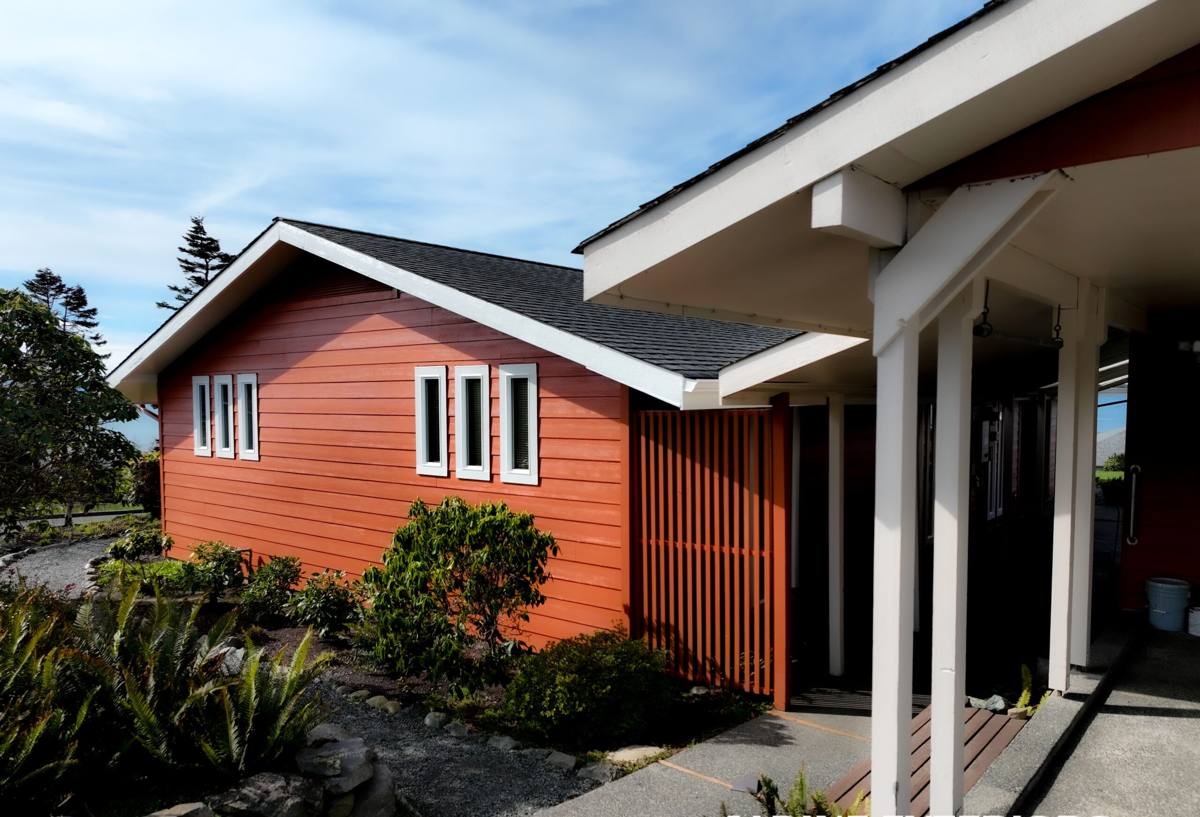
Signs Your Windows Are Costing You Money
Most homeowners don't replace windows because of a single dramatic failure. They replace them because a handful of small problems add up. Watch for these:
- Condensation or fogging between the panes — the seal has failed and the insulating gas is gone
- Visible drafts near the frame, especially during wind-driven rain
- Soft or discolored trim and sill areas, a sign moisture has already gotten past the frame
- Windows that are difficult to open, close, or lock — frames have swollen or warped
- Persistent moss or algae growth on the exterior sill or casing
- Noticeably higher heating bills compared to similar homes nearby
Any one of these on its own isn't an emergency. Several of them together, especially on the sides of the house that take the brunt of the weather, usually mean it's time to stop patching and start planning a replacement.
What "Energy Efficient" Actually Means
The term gets used loosely, so it's worth being specific. Every window sold today carries ratings set by the National Fenestration Rating Council (NFRC), and two of them matter most in this climate:
- U-factor — how well the window resists heat loss. Lower is better. This is the number that matters most for a heating-dominated climate like ours.
- SHGC (Solar Heat Gain Coefficient) — how much solar heat passes through the glass. In a climate with limited direct sun, this matters less than U-factor, but it still affects comfort on the sunnier sides of a house.
A window can be marketed as "energy efficient" and still be a poor match for this specific climate if the frame material or glazing package wasn't chosen with our weather in mind. This is where frame material comparisons matter more than most sales literature admits.
Frame Material Comparison for This Climate
| Frame Type | Moisture Resistance | Maintenance | Typical Lifespan Here |
|---|---|---|---|
| Vinyl | Good — won't rot, but seals and welds can degrade with UV and salt exposure over time | Low | 20–30 years |
| Fiberglass | Very good — dimensionally stable, resists swelling and corrosion | Low | 30+ years |
| Wood (clad exterior) | Good on the clad side; interior wood still needs protection from indoor humidity | Moderate | 20–30 years with upkeep |
| Aluminum | Poor without a strong thermal break; prone to condensation and corrosion in salt air | Moderate | 15–20 years |
We don't push one brand or material on every home. We do steer homeowners away from bare aluminum frames and low-grade vinyl in this specific area, not because the products are inherently bad everywhere, but because the moisture and salt exposure around Sudden Valley shortens their working life and makes seal failure and frame corrosion more likely.
What a Correct Installation Actually Involves
Window replacement is one of those jobs where the visible part — the new window — is the easy part to judge. The part that actually determines whether the job holds up is hidden once the trim goes back on.
Removal and Inspection
Old windows come out carefully so we can see the condition of the framing, sheathing, and any existing flashing underneath. This is often the first real look anyone's had at that area in years, and in a wet climate it's common to find some degree of moisture staining or minor rot around older openings — especially on north- and west-facing walls that take the worst of the weather.
Flashing and Water Management
Flashing is installed in the correct shingle-lap sequence — building paper or house wrap over the top flange, never under it — so water is always directed outward and down, never trapped behind the new window. This step is where a rushed installation shows up years later as a hidden leak, and it's the single most important part of the job in a climate that gets this much driving rain.
Sealing and Insulation
Low-expansion foam or backer rod and sealant fill the gap between the window frame and the rough opening, closing off air leaks without overloading the frame. Exterior caulking is matched to the siding material and applied only where it belongs — over-caulking can actually trap moisture instead of keeping it out.
Finish Work
Interior and exterior trim is reset or replaced, hardware is tested, and every window is checked for square operation before we call the job done.
Our Process, Start to Finish
- On-site assessment — we look at every window being considered, note orientation, exposure, and current condition, and flag any signs of existing moisture damage
- Product recommendation — frame material and glazing package suited to the home's exposure and the homeowner's budget, not a one-size-fits-all pitch
- Written estimate — clear scope, materials, and timeline before any work starts
- Installation — removal, inspection, flashing, insulation, and finish work as described above
- Walkthrough — every window operated and checked with the homeowner before we consider the job complete
Choosing the Right Window for a Sudden Valley Home
Not every home needs the same window. A wall that takes direct, wind-driven rain off the lake or open exposure needs a different level of weather protection than a sheltered, tree-covered side of the same house. Before settling on a product, walk through this list:
- Which walls of the house take the worst weather, and does the window spec account for that
- Whether the frame material has a track record in wet, marine-influenced climates — not just a manufacturer's general claims
- Whether the installer is following manufacturer flashing instructions exactly, not a shortcut version
- What the warranty actually covers — glass seal failure, frame defects, and labor are often covered separately
- Whether the U-factor is appropriate for a heating-dominated climate, not just whatever's in stock
What Drives the Cost of a Window Project
| Factor | Why It Matters |
|---|---|
| Frame material | Fiberglass and higher-grade vinyl cost more upfront but hold up longer against moisture and salt exposure |
| Number and size of openings | Larger and custom-sized windows require more material and labor |
| Condition of existing framing | Rot or water damage found during removal adds repair scope before the new window can go in |
| Access and site conditions | Second-story or hard-to-reach windows take longer and require more staging |
| Glazing upgrades | Triple-pane or upgraded low-E coatings add cost but improve comfort and efficiency |
We give straightforward, itemized estimates so homeowners can see exactly where the money goes rather than a single lump number.
Why a Crew That Already Works This Area Matters
A window installer who mostly works drier inland climates will often use the same details everywhere. A crew that regularly works Whatcom County homes near the water knows which walls typically show moisture damage first, how much flashing overlap is actually needed for wind-driven rain, and which frame materials hold up rather than just which ones are cheapest to install. That local pattern recognition is what catches a hidden problem during removal instead of sealing it back up behind a brand-new window.
It also matters for response time. If a seal fails or trim needs attention a few years down the road, a local crew can get back out to the property without a long wait, and stands behind work they installed rather than passing the homeowner off to a distant service line.
Ready When You Are
If your windows are drafty, fogging, sticking, or just past their working life, we're happy to take a look and give you an honest read on what's going on — no pressure, no sales script. Fill out the form below for a free estimate on energy-efficient window replacement for your Sudden Valley home.