 Ferndale Siding
 Building a Deck That Actually Holds Up Near Everson
Everson sits inland from Ferndale along the Nooksack River, but "inland" doesn't mean dry. Whatcom County's marine air pushes up the river valleys most of the year, and a deck built here deals with the same driving rain, long damp stretches, and moss pressure as anything closer to the water. The difference between a deck that looks good for three years and one that holds up for twenty almost never comes down to the decking boards on top — it comes down to the framing, fasteners, and drainage details underneath that nobody sees at the walkthrough.
We build and repair decks throughout the Ferndale and Everson area, and this page covers what actually matters for a deck in this specific climate: material choices that make sense here, the structural details that keep a deck from failing early, and what our process looks like from first visit to final walkthrough.
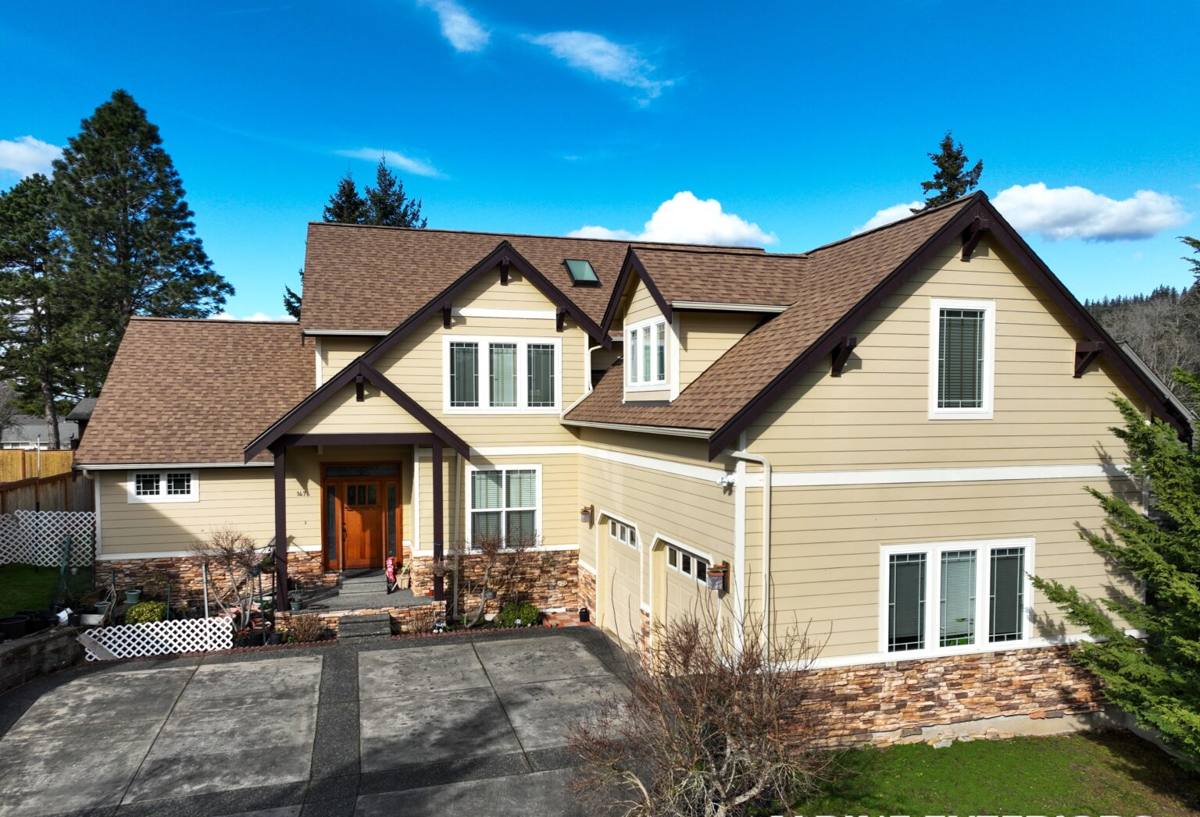
What Everson's Conditions Actually Do to a Deck
A few things stack up against outdoor structures in this part of Whatcom County:
- Driving rain — wind-driven rain gets pushed sideways into ledger connections, stair stringers, and any horizontal surface that isn't sloped to shed water.
- Long moss and mildew season — shaded decks, north-facing decks, and anything near trees or a fence line stay damp for months at a stretch, which is exactly what moss and algae need to take hold.
- Humid marine air — even away from open water, the region's air carries enough moisture to corrode unprotected metal fasteners and hardware faster than a dry-climate deck would ever see.
- River valley ground conditions — properties near the Nooksack River tend to have higher water tables and heavier, wetter soil than upland sites, which affects how footings and post bases need to be handled.
None of these are dramatic on their own. The problem is they're constant. A deck built with dry-climate assumptions — standard fasteners, minimal drainage slope, decking laid tight to a house wall — will show rot, corrosion, and moss buildup years before it should.
Choosing Decking Material for This Climate
There's no single "best" decking material — there's a best material for a given budget, look, and maintenance appetite. Here's how the common options actually perform in Whatcom County conditions:
| Material | Moisture Behavior | Maintenance | Typical Lifespan Here |
|---|---|---|---|
| Pressure-treated fir/pine | Absorbs and releases moisture; prone to cupping and splitting if not sealed regularly | Needs re-staining/sealing every 1-2 years | 10-15 years with upkeep |
| Cedar | Naturally rot-resistant but still needs sealing against constant damp | Annual cleaning and periodic sealing | 15-20 years with upkeep |
| Composite decking | Doesn't absorb water or rot; surface can still grow moss/algae film if never cleaned | Periodic washing, no sealing/staining | 25-30+ years |
| Tropical hardwood (ipe, etc.) | Extremely dense and rot-resistant, but installation is unforgiving of mistakes | Occasional oiling for color; low structural maintenance | 25-30+ years |
We don't push one product on every job. Composite makes sense for owners who want to stop maintaining a deck every spring. Cedar still makes sense for people who want a natural look and are willing to keep up with it. What we won't do is install decking over framing that isn't built to handle the moisture load this region produces — that's where deck failures actually start, regardless of which board you chose.
A Note on Ground-Contact Wood
Any wood that touches or sits close to grade — posts, skirting, stair stringers — needs to be rated for ground contact, not just "pressure treated." In wetter yards near the river valley, this distinction matters more than it does on a well-drained upland lot, and it's a detail that's easy to shortcut if a crew isn't used to building in these conditions.
Framing, Footings, and Drainage: The Part That Actually Fails
Almost every deck problem we get called out to repair started below the decking boards, not on top of them. The details that matter most in this climate:
Ledger Attachment
Where a deck attaches to the house is the single most common failure point in wet climates. Proper flashing that directs water away from the house band board — not just caulk — is non-negotiable. Driving rain will find any gap over time.
Footing Depth and Drainage
Footings need to go below frost depth and bear on stable soil, which takes more attention on lots with higher water tables or heavier clay content, common in low-lying ground near the Nooksack. Post bases should sit above grade and above standing water, not buried where they'll stay wet.
Board Spacing and Slope
Decking needs enough gap between boards to let water drain through rather than pool on the surface, and the whole structure should carry a slight slope away from the house. Tight-fit decking looks clean on day one and traps moisture underneath by year two.
Airflow Underneath
Low decks with poor ventilation underneath stay damp longer after every rain, which accelerates rot in framing and gives moss and mildew a place to establish. Skirting should allow airflow, not seal the space up completely.
Hardware and Fasteners: Small Parts, Real Consequences
In a region with this much sustained moisture, using the wrong fastener is one of the fastest ways to get a deck that fails structurally while still looking fine on the surface. We use fasteners and structural hardware rated for exterior/coastal-grade exposure — stainless or heavy hot-dip galvanized, matched to whatever decking and framing material is going in. Mixing incompatible metals (say, standard steel screws with certain treated lumber chemicals) speeds up corrosion, and corroded fasteners in a ledger board or joist hanger are a safety issue, not just a cosmetic one.
Moss, Algae, and Realistic Maintenance
No deck material in Whatcom County is maintenance-free if it never sees sun or airflow. Moss and mildew build up fastest on shaded decks, north-facing decks, and any deck tucked near trees or fences that block drying wind. A few things keep it manageable:
- Sweep debris and standing leaves off the deck regularly, especially in fall — trapped organic matter holds moisture and feeds moss growth.
- Rinse or wash the surface a couple of times a year, more often on shaded decks.
- Keep gutters and downspouts clear so runoff isn't dumping extra water directly onto or near the deck.
- Trim back vegetation that's blocking sun and airflow across the deck surface.
- Re-seal wood decking on schedule — skipping a season is when moisture gets in and moss gets a foothold.
Our Deck Building Process
The process is straightforward, but we don't skip steps to save time:
- Site visit and assessment — we look at drainage, sun exposure, soil conditions, and how the deck ties into the house before talking materials.
- Design and material selection — we walk through the honest trade-offs of each decking option for your budget and how much upkeep you actually want to do.
- Permitting — most decks above a certain height or attached to the house need a permit through Whatcom County or the local jurisdiction; we handle that process.
- Framing and footings — built to code depth and spec, with flashing and drainage details specific to this climate, not generic minimums.
- Decking, railing, and finish work — installed with corrosion-resistant hardware and proper spacing for drainage.
- Final walkthrough — we go over the finished deck and what maintenance it actually needs, in plain terms.
Why a Crew That Already Works in Everson Matters
A deck built by a crew that only occasionally works this far out from the coast tends to make dry-climate assumptions — lighter flashing details, standard fasteners, decking specs that work fine in a drier region but not here. A crew that regularly works Ferndale, Everson, and the rest of Whatcom County already knows which details matter for this specific mix of rain, humidity, and moss pressure, and builds to that standard by default rather than as an upsell. It also means we're not guessing at local permit requirements or showing up once and disappearing if a warranty issue comes up down the road.
Signs an Existing Deck Needs Attention
If you're not building new but wondering whether your current deck needs repair or replacement, watch for:
- Soft or spongy spots in the decking or stairs
- Rust streaks running down from fasteners or hardware
- Persistent moss or dark staining that comes back within weeks of cleaning
- Gaps or separation where the deck meets the house
- Wobble in railings or posts, which often points to a footing or connection problem, not just a loose screw
- Standing water that doesn't drain within an hour or two of rain stopping
Any one of these on its own might be minor. More than one usually means the underlying structure needs a real look, not just a surface fix.
What Drives the Cost of a Deck Project
| Factor | Why It Matters Here |
|---|---|
| Decking material | Composite and hardwood cost more upfront but cut long-term maintenance in a wet climate |
| Footing and framing depth | Higher water table or heavier soil near the river valley can require deeper or additional footings |
| Height and railing requirements | Taller decks need code-compliant railings, which adds material and labor |
| Ledger and flashing detail | Doing this correctly for driving rain protection takes more time than a bare-minimum install |
| Fastener and hardware grade | Corrosion-resistant hardware costs more per piece but avoids early structural failure |
| Permitting | Larger or attached decks typically require permitting, which adds time to the schedule |
Rough budgets vary widely depending on size, material, and site conditions — a small pressure-treated deck and a large composite deck with built-in seating aren't the same project. We give straight numbers once we've actually seen the site.
If you're planning a new deck or dealing with an aging one near Everson or anywhere in the Ferndale area, we're happy to take a look and give you a straightforward, no-pressure estimate — just fill out the form below.