 Ferndale Siding
 Windows Built for Nooksack's Weather, Not Just the Showroom
Nooksack sits inland from the coast, but it still lives inside the same weather system that shapes the rest of Whatcom County: marine air pushing in off the Salish Sea, months of low pressure systems dumping driving rain, and a damp shoulder season that keeps moss and algae growing on anything that holds moisture. Windows here take a beating that a catalog spec sheet doesn't capture. A window that performs fine in a dry inland climate can fail in a few seasons here if it isn't installed with this specific weather in mind.
Custom windows are not just about matching an odd-sized opening or getting a style you like. In this area, "custom" also means the flashing details, sealants, and frame materials are chosen and installed to handle sustained wet weather, wind-driven rain, and the slow, steady moisture load that builds up over a Whatcom County winter.
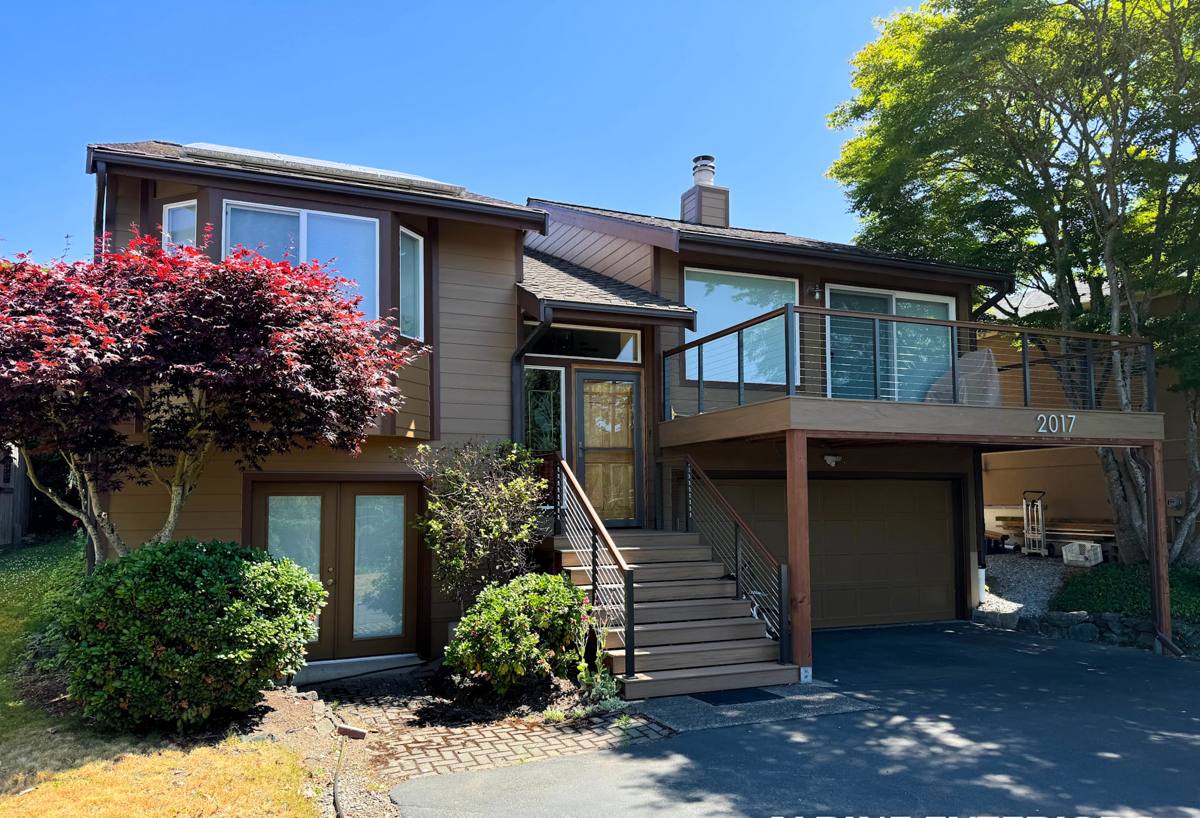
What This Climate Actually Does to Windows
Salt-Tinged Marine Air
Whatcom County's marine air carries fine salt and moisture inland on prevailing winds, and homes around Ferndale and the surrounding communities, including Nooksack, are exposed to it year-round. Over time this air accelerates corrosion on unprotected metal hardware, breaks down cheaper sealants faster than manufacturers' lab tests predict, and speeds up the fading and chalking of lower-grade vinyl and finishes.
Driving Rain
Rain here rarely falls straight down. Wind-driven rain gets pushed sideways against west- and south-facing walls, which means water is testing every seam, corner, and fastener hole around a window opening, not just the sill. If the flashing and water-management details behind the trim aren't done correctly, water finds its way behind the siding long before a homeowner ever sees a stain on drywall.
A Long Moss Season
Cool, wet, shaded conditions for much of the year mean moss and algae get a real foothold on window sills, trim, and anywhere water sits instead of draining. Beyond the cosmetic issue, moss and organic growth hold moisture against wood trim and caulk lines, shortening the life of both if the original installation didn't slope surfaces to shed water and didn't use materials suited to staying damp for weeks at a time.
Signs Your Current Windows Are Losing the Battle
Most window failures in this climate show up gradually. Homeowners in Nooksack often live with early warning signs for a season or two before addressing them, which usually turns a window repair into a full replacement. Watch for:
- Fogging or a hazy film between the panes of a double-pane window (a broken seal, not a cleaning issue)
- Soft or spongy trim, sill, or jamb wood when pressed with a thumb
- Visible gaps, cracked caulk, or daylight around the frame from inside
- Persistent moss, algae, or black streaking on the sill or lower trim that returns quickly after cleaning
- Drafts near the frame during windy, wet weather even when the window is fully latched
- Difficulty opening, closing, or locking — often a sign the frame has swelled or shifted from moisture
- Condensation forming on the inside of the glass regularly through fall and winter
Any one of these on its own might be minor. Two or three together usually mean the window's seal, frame, or installation has been compromised and it's worth having someone look at it before the next wet season.
What a Correct Custom Window Installation Actually Involves
Precise Measurement and Fit
Custom windows are built to the exact opening, not the other way around. That starts with careful measurement of the rough opening, checking for square, level, and plumb, and noting any settling or irregularity in the framing — which is common in older homes throughout the Ferndale and Nooksack area. A window ordered to the wrong dimensions creates gaps that get packed with extra caulk or trim as a workaround, and those workarounds are exactly where future leaks start.
Flashing and Water Management
This is the part of the job nobody sees once it's finished, and it's the part that matters most in a climate with driving rain. Proper installation means flashing tape and materials layered so that any water that gets behind the siding is directed back out and down, never inward. Sill pans, head flashing, and correctly lapped weather-resistive barrier around the opening are not optional extras — they're the difference between a window that sheds water for decades and one that quietly rots the framing behind it.
Insulation and Air Sealing
The gap between the window frame and the rough opening needs to be insulated and sealed, not just caulked at the trim. Done poorly, this creates a cold, drafty ring around every window and a spot where moist interior air can condense inside the wall cavity. Done correctly, it's part of what makes a new window actually feel different from the old one on a cold, wet January day.
Trim and Exterior Finish Work
The exterior trim and caulking lines are what stand between the elements and the installation work underneath. In a climate with a long moss season, sloped sills and drip caps that shed water quickly, rather than holding it, make a real difference in how much upkeep the window needs and how long the finish lasts.
Choosing Materials and Styles That Make Sense for Nooksack
There's no single "best" window material — the right choice depends on the home, the budget, and how much upkeep an owner wants to take on. Here's how the common options generally compare for this climate:
| Material | Moisture Resistance | Maintenance | Typical Lifespan |
|---|---|---|---|
| Vinyl | Good; won't rot, but lower-grade vinyl can warp or discolor under sun and salt air | Low | 20–30 years |
| Fiberglass | Very good; dimensionally stable in temperature and moisture swings | Low | 30–40+ years |
| Wood | Requires a good exterior clad or diligent finishing to hold up to driving rain | High | Varies widely with upkeep |
| Aluminum-clad wood | Good exterior protection, warm wood interior | Moderate | 25–35 years |
For most Nooksack homes, we lean toward vinyl or fiberglass frames on the exterior-facing side because they hold up to sustained moisture and salt-tinged air with the least ongoing maintenance. That's a professional judgment call based on how these materials behave over years in this specific climate — not a knock on wood windows, which can look excellent and perform well when an owner is committed to the upkeep a painted or stained wood exterior needs in a wet climate.
Glass Packages Worth Asking About
Double-pane, low-E glass with an argon or krypton gas fill is standard for this region's heating needs and helps cut down on the condensation that shows up on older single-pane or failed-seal windows during our cool, damp months. Triple-pane glass is worth discussing for north-facing rooms or homes right along more exposed, windy stretches, though it adds cost and weight that isn't always necessary everywhere.
Our Process for a Nooksack Custom Window Project
1. On-Site Consultation and Measurement
We start by walking the home, checking each opening for square and condition, and talking through which rooms need better performance versus which just need a style update.
2. Material and Style Selection
We go over frame material, glass package, and style options against your budget and how exposed that side of the house is to wind and rain.
3. Precise Ordering
Custom units are built to the measured opening — we double-check dimensions before placing the order, since a mis-ordered custom window means real delay waiting on a remake.
4. Removal and Installation
Old windows come out carefully to protect surrounding siding and trim. New units go in with proper flashing, sill pans, insulation, and air sealing before any trim goes back on.
5. Final Inspection and Cleanup
We check operation, sealing, and finish work on every window before we consider the job done, and we clean up the site so you're not left with construction debris.
Cost Factors for Custom Windows in Nooksack
Every project is different, but the following factors generally drive the price of a custom window job in this area:
- Number of windows and whether the project is whole-house or a handful of problem openings
- Frame material (vinyl generally costs less than fiberglass or clad-wood)
- Glass package — standard double-pane low-E versus triple-pane or specialty coatings
- Condition of the existing framing — rot repair behind old windows adds labor before installation can start
- Window size and shape — true custom shapes and oversized units cost more than standard sizes
- Access and site conditions — second-story or hard-to-reach windows take more labor time
We'll always walk you through which of these apply to your specific home before giving a number, rather than quoting a flat per-window price that doesn't account for your actual openings.
Why Hire a Crew That Already Works in Nooksack
A contractor who works regularly in Whatcom County, and specifically in and around Ferndale and Nooksack, already understands how local homes were built, what kind of framing and moisture issues tend to show up under old windows here, and how aggressively to detail the flashing for our rain patterns. That local pattern recognition matters more than it sounds — it's the difference between an installer who treats every job like a generic replacement and one who knows this climate will find every weak point in an installation eventually.
It also means straightforward accountability. If a question comes up about a window six months or six years after installation, you're calling a crew that's still working in your area, not chasing down a company that only passed through once.
Keeping New Windows Performing Through Whatcom County Weather
New windows still need a little seasonal attention here. A few habits go a long way:
- Rinse sills and tracks periodically to keep moss and algae from getting established
- Check exterior caulk lines once a year, typically before the wet season sets in, and touch up any cracking
- Keep gutters and downspouts clear so runoff isn't sheeting directly down over window heads
- Trim back vegetation that keeps windows shaded and damp, since that's exactly where moss and mildew take hold fastest
- Operate locks and hardware a few times through the winter so they don't seize from disuse and moisture
None of this is heavy maintenance — it's the same kind of upkeep any exterior feature needs in a wet marine climate, and a correctly installed window makes it easy rather than a constant chase.
Get a Straight Answer for Your Home
If you're dealing with drafty, foggy, or hard-to-operate windows, or you're planning ahead for a remodel, we're happy to take a look and give you an honest read on what your home actually needs. There's no pressure and no obligation — just a straightforward assessment from a crew that knows how windows hold up in Nooksack's weather. Fill out the form below to request a free estimate.