 Ferndale Siding
 Siding Built for the Everson Side of Whatcom County
Homes in and around Everson deal with a specific combination of weather that most siding products were never designed to handle well over the long term: long stretches of driving rain, moisture-laden marine air moving inland off the Salish Sea, and shaded, tree-lined lots that stay damp long after a storm has passed. That combination is exactly what feeds moss and algae growth on north-facing walls, keeps wood trim wet at the edges, and slowly breaks down siding that isn't engineered for a wet marine climate.
We install James Hardie fiber cement siding exclusively, and we've built our process around what actually holds up in Whatcom County conditions rather than what looks fine in a showroom. This page covers what Everson-area homes specifically need from their siding, what a correct installation involves, and why working with a crew that already knows this part of the county matters more than it might seem.
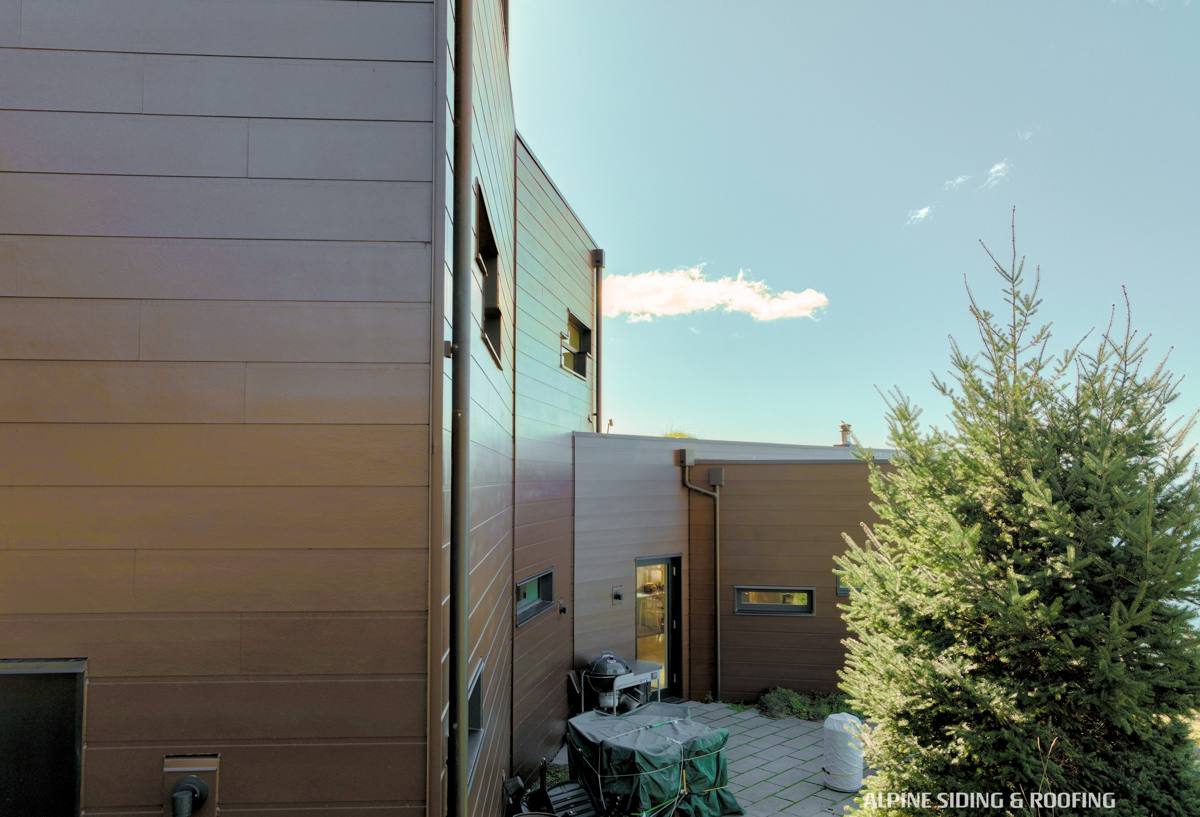
Why the Local Climate Changes the Job
It's tempting to think of siding as a one-size-fits-all product, but the demands placed on it change a lot depending on exposure, shade, and moisture cycling. A few things we account for on every Everson-area job:
- Long wet seasons: Whatcom County gets extended stretches of steady rain rather than short heavy downpours, which means siding and trim stay saturated for days at a time rather than drying quickly between storms.
- Shaded, tree-covered lots: Many properties in this area sit under mature trees or have north- and west-facing walls that rarely see direct sun, which slows drying and encourages moss and algae growth on any surface that holds moisture.
- Marine air moving inland: Even away from the immediate waterfront, humid air moving in off the Sound keeps ambient moisture levels higher than drier inland regions, which matters for both the siding material and the fasteners and flashing behind it.
- Temperature swings between seasons: Siding expands and contracts with temperature and moisture content. Materials that move a lot with humidity changes are more prone to cracking, cupping, or opening up seams over time.
None of this is unique to Everson, but it's a real and constant factor for homes here, and it's the reason we don't treat siding selection as a cosmetic decision.
Why We Standardized on James Hardie
We install James Hardie fiber cement siding and nothing else — no vinyl, no LP SmartSide, no Cemplank or Allura, no primed or unfinished wood products. That's a deliberate professional standard, not a sales pitch, and it comes down to how each of those materials actually performs under the conditions described above.
Fiber cement is dimensionally stable, meaning it doesn't expand and contract with moisture the way wood-based products do, and it's non-combustible, which matters both for insurance considerations and for long-term durability. James Hardie's HZ5 product line is specifically engineered for climates with freeze-thaw cycling and heavy moisture exposure — the Pacific Northwest is one of the regions that line was designed around. The factory-applied ColorPlus finish is baked on under controlled conditions and backed by a separate finish warranty, which avoids the uneven weathering and more frequent repainting that field-applied finishes tend to need in a wet climate.
We're not going to tell you every other siding product is bad — plenty of them have a place. But for what Everson-area homes go through every year, we only want our name on a product we're confident will still look and perform correctly in fifteen or twenty years, not just on install day.
What a Correct James Hardie Installation Actually Involves
James Hardie siding fails early far more often because of installation mistakes than because of the material itself. A correct install has several layers that matter more than the visible siding panel:
Moisture Management Behind the Siding
A properly lapped weather-resistant barrier goes on first, with all seams taped and every window and door opening flashed so water is directed out and down, never behind the barrier. This layer is what actually keeps water out of the wall assembly — the siding itself is the second line of defense, not the only one.
Clearances and Fastening
Hardie panels need proper clearance from rooflines, decks, and grade to avoid wicking moisture, and fasteners need to be placed and driven to the manufacturer's specification — not overdriven, not underdriven, and in the correct locations relative to the plank. Get this wrong and you invite the exact moisture problems the siding is supposed to prevent.
Caulking and Trim Details
Joints and trim need the right sealant applied correctly, not as a cosmetic afterthought. Poor caulking is one of the most common sources of early water intrusion we see on siding jobs that weren't installed to spec, regardless of the brand of siding used.
What We Commonly Find on Older Everson-Area Homes
When we're called out to inspect or replace existing siding in this area, a handful of issues show up repeatedly:
- Moss and algae staining concentrated on shaded, north- or west-facing walls
- Trim and corner boards that have absorbed moisture and started to soften or rot, even where the field siding still looks intact
- Trapped moisture behind old siding where the original weather barrier was missing, poorly lapped, or never taped at the seams
- Caulking that has shrunk, cracked, or pulled away from joints, allowing water to track behind the siding
- Fastener corrosion or staining where the wrong fastener type was used for the material and exposure
These aren't dramatic failures — they're slow, cumulative problems that show up as cosmetic issues first and structural issues later if left alone. Catching them during a siding replacement is one of the real advantages of a full re-side over a quick patch.
Our Process, Start to Finish
Inspection and Estimate
We walk the exterior with you, note any problem areas — moisture staining, soft trim, prior repair patches — and put together a written estimate that accounts for what we actually find, not just a rough square-footage number.
Prep and Tear-Off
Old siding comes off, the sheathing underneath gets inspected for rot or damage, and any necessary repairs happen before anything new goes on. Covering up a damaged wall with new siding is how small problems become expensive ones later.
Weather Barrier and Flashing
This is the step that determines how the job performs in ten years, and it happens before a single piece of visible siding is installed.
Hardie Installation
Panels, fasteners, and trim go on to manufacturer specification, with attention to clearances, fastener placement, and joint treatment throughout.
Final Walkthrough
We go over the finished job with you directly, before we consider the project complete.
Cost Factors for an Everson-Area James Hardie Project
Every home is different, so we don't quote flat prices sight unseen, but these are the main factors that move the cost of a project up or down:
| Factor | Why It Affects Cost |
|---|---|
| Home size and number of stories | More surface area and more difficult access both add labor time |
| Condition of existing sheathing | Rot or moisture damage found during tear-off requires repair before new siding goes on |
| Siding profile chosen | Lap siding, board-and-batten, and shingle-style Hardie products differ in material and labor cost |
| Trim and detail complexity | Homes with more corners, dormers, or architectural trim take longer to finish correctly |
| Removal and disposal of old siding | Type and condition of the existing material affects tear-off time and disposal cost |
| Color and finish selection | Factory-applied ColorPlus finishes vs. field painting affect both cost and long-term maintenance |
We'll walk through these factors specifically for your home during the estimate, so you know what's driving the number rather than getting a vague lump sum.
Why a Crew That Already Works This Area Matters
Siding work in Whatcom County isn't identical from one property to the next, and a crew that already works the Ferndale and Everson area brings a few practical advantages: familiarity with local permitting expectations, a realistic sense of how exposure and shade patterns on a given lot affect moisture behavior, and the ability to actually show up for a warranty callback without being a long drive away. Fiber cement siding is a long-term investment, and being reachable years after installation is part of what makes that investment worth making.
Keeping Hardie Siding Looking Right After Installation
Correctly installed James Hardie siding is low-maintenance, not no-maintenance. A little routine attention goes a long way in this climate:
- Rinse siding annually to clear pollen, dust, and early moss or algae buildup before it sets in
- Keep gutters clear so overflow doesn't run down the wall face repeatedly
- Trim back vegetation and tree limbs that keep siding shaded and damp longer than necessary
- Inspect and re-caulk joints periodically, especially around windows, doors, and trim
- Address any soft or damaged trim promptly rather than waiting for it to spread
If you're weighing a siding replacement or just want an honest read on the condition of what's on your home now, we're happy to take a look. There's a free, no-pressure estimate form below whenever you're ready.