 Ferndale Siding
 Siding Repair for Lummi Nation Homes
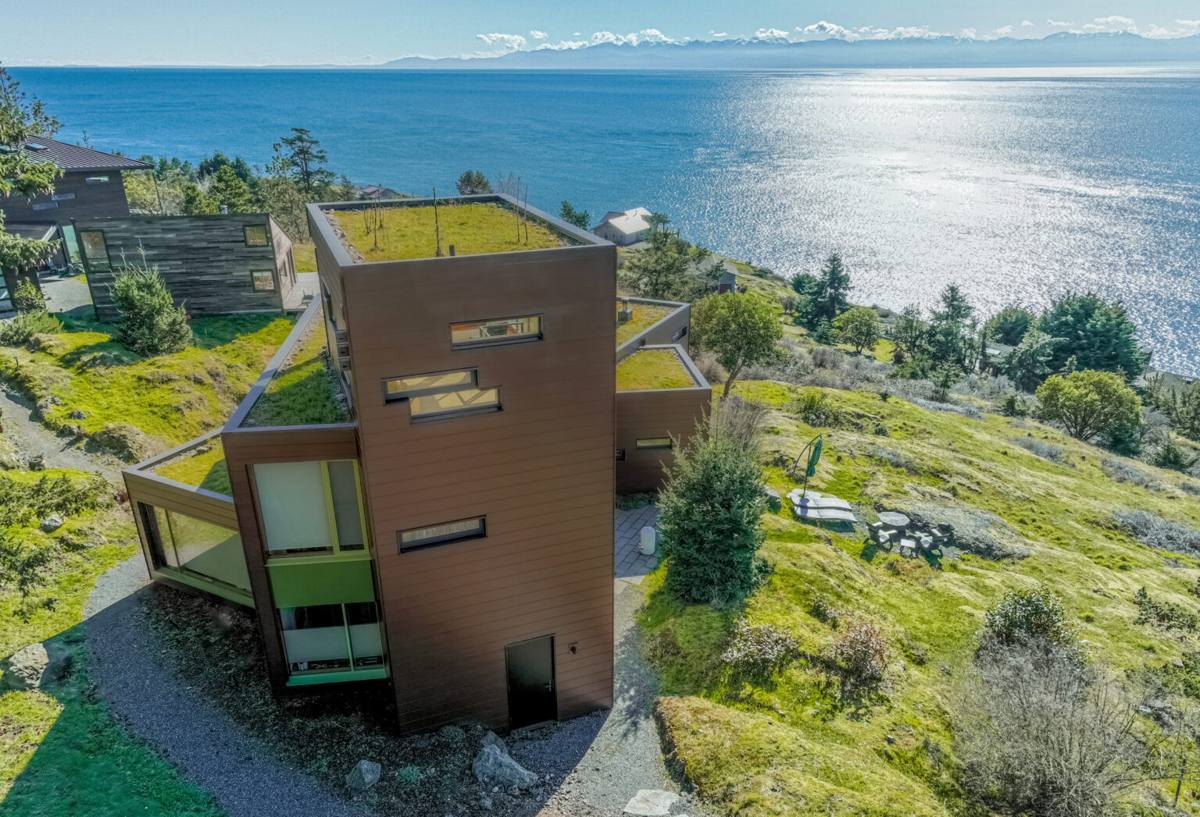
Homes in and around Lummi Nation sit close to the water, and that proximity shapes everything about how siding ages here. Salt-laden air off Bellingham Bay and the surrounding shoreline works on exterior materials in ways that inland Whatcom County homes never have to deal with. Add Ferndale's long, wet winters and the shaded, moisture-trapping conditions that many properties in this area have from surrounding tree cover, and you get a climate that is genuinely hard on siding. We're a Ferndale-based crew, and Lummi Nation is part of our regular service area — we're not driving in from Seattle to look at a callback once and disappear.
This page is specifically about siding repair — patching, replacing damaged sections, and fixing the underlying causes of siding failure — not full re-siding. If your siding is fundamentally sound but showing localized damage, repair is usually the right call. Knowing the difference between "this needs a patch" and "this needs to come off the house" is most of what a good repair contractor actually does.
What This Climate Does to Siding
Salt Air and Corrosion
Airborne salt doesn't just affect metal fasteners and flashing, though it does accelerate corrosion in both. It also settles into porous or poorly sealed siding materials, holding moisture against the surface longer than it would inland. Over years, this shows up as fastener staining, soft spots around nail heads, and premature paint or finish failure — especially on the sides of a house that face open water or prevailing wind.
Driving Rain and Wind-Driven Moisture
Whatcom County storms often come with real wind behind the rain, which pushes water sideways into laps, seams, and trim joints that were never designed to handle water moving in that direction. This is where a lot of "mystery" siding damage actually starts — not from a single storm, but from years of wind-driven rain finding the same weak seam over and over.
Moss, Algae, and the Long Wet Season
Ferndale's moss season isn't a minor cosmetic issue. Moss and algae hold moisture directly against the siding surface for extended periods, and on shaded north- and west-facing walls — common on properties with mature tree cover near Lummi Nation — that dampness rarely gets a chance to fully dry out between rain events. Left alone, this accelerates rot in wood-based products and breaks down caulking and sealant faster than manufacturers' warranties assume.
Signs Your Siding Needs Repair, Not Just Cleaning
Homeowners often assume a moss-streaked or discolored wall just needs a wash. Sometimes that's true. But certain signs mean there's damage underneath that a pressure wash won't fix and will only make worse if ignored:
- Soft, spongy, or bubbling sections when you press on the siding
- Visible gaps or separation at seams, corners, or trim joints
- Paint or finish that's peeling in a localized patch rather than evenly across a wall
- Dark staining that keeps returning shortly after cleaning
- Warping, cupping, or boards that no longer sit flush against the wall
- Rust streaks below fasteners or flashing
- Interior signs — a musty smell, peeling interior paint, or a damp spot on an interior wall that lines up with an exterior siding problem
Any one of these is worth a look. Several of them together usually mean water has been getting behind the siding for a while, and the repair needs to address the water path, not just the visible board.
What a Correct Siding Repair Actually Involves
A repair that just swaps a damaged board for a new one, without checking what let the damage happen, is a repair that fails again. Here's what we actually check and do on a siding repair call:
Find the Water Path First
Before replacing anything, we trace how water is getting in. That might mean checking flashing above a window, a gap where trim meets siding, a failed caulk joint, or a spot where the original installation left a seam unsealed. Replacing the board without fixing the entry point just delays the next repair.
Check the Weather-Resistive Barrier
Behind every siding panel or board should be an intact weather-resistive barrier (housewrap). If water has been getting behind the siding for a while, that barrier may be compromised too, and a proper repair addresses it — not just the siding on top of it.
Match the Existing Material Correctly
If your home has James Hardie fiber cement siding, we repair it with Hardie product and match the ColorPlus finish as closely as the product line allows, since factory-finished boards are formulated to weather consistently — mixing in a different material or a field-painted patch tends to age visibly differently over time. If your home has a different siding material, we'll walk you through your real options, including what an honest patch job looks like and what it won't fully solve (more on that below).
Re-Flash and Re-Seal Properly
Any repair that disturbs flashing, trim, or seams gets those elements re-installed to correct overlap and sealed with a product rated for exterior use in a marine climate — not just whatever caulk was on the shelf.
Repair vs. Replacement: How We Make the Call
| Factor | Repair Usually Makes Sense | Replacement Usually Makes Sense |
|---|---|---|
| Extent of damage | Isolated to one or two wall sections | Spread across multiple elevations |
| Underlying barrier | Weather-resistive barrier still intact | Barrier compromised in multiple areas |
| Siding age | Mid-life, otherwise performing well | At or past expected service life |
| Material match | Matching material/finish still available | Product discontinued or badly faded |
| Root cause | A fixable detail (flashing, caulk, one seam) | Systemic issue (grade, drainage, original install) |
| Cost over time | Lower cost now, addresses the actual problem | Repeated patch costs approach replacement cost |
We'll never talk you into a full re-side when a targeted repair genuinely solves the problem — and we'll tell you plainly when a patch is just going to buy you a year or two before the same call happens again.
Our Process for Lummi Nation Repair Calls
- Inspection: We look at the damaged area and the surrounding siding, not just the spot you called about, since related problems often sit nearby.
- Moisture check: Where damage suggests water intrusion, we check for softness and moisture behind the surface, not just visible symptoms.
- Honest scope: We tell you what's a repair, what's a "repair now, plan to replace later," and what's better addressed as a full replacement — with our reasoning, not just a recommendation.
- The work: Removal of damaged material, correction of the underlying issue (flashing, barrier, seam), and installation of matched or appropriate replacement material.
- Final check: Seams sealed, fasteners set correctly, and finish matched as closely as the product allows.
Why James Hardie for Repairs and Replacement Sections
We only install James Hardie fiber cement siding, and that includes the material we use for repairs. Hardie's HZ product lines are engineered for climate zones like ours, the ColorPlus factory finish holds up more consistently than field-applied paint on a patch, and the material itself doesn't absorb and hold moisture the way wood-based or foam-backed products can. When we're repairing a home that already has Hardie siding, matching in more Hardie product is straightforward and keeps the wall performing as one system. When a home has a different material and the damage points to a bigger pattern — repeated moss-driven rot, recurring seam failures, a product nearing the end of its practical life — we'll say so honestly, and Hardie is what we'd recommend and install if you decide full replacement makes more sense than another round of patching.
Why a Local Ferndale Crew Matters for This Work
Siding repair is detail work, and the details that matter here are specific to this stretch of Whatcom County: which elevations take the worst wind-driven rain, how aggressively moss returns on shaded walls near the water, and how salt air behaves differently on a home a quarter mile from the shoreline versus one further inland. A crew that works Lummi Nation regularly has already seen how these houses fail and what actually holds up afterward. That's not something you get from a contractor doing a one-off job hours away, and it's part of why we treat this as our regular service area rather than an occasional job site.
A Quick Checklist Before You Call
- Walk your home's exterior after a hard rain and look for staining, soft spots, or gaps
- Press gently on any discolored or moss-covered siding sections to check for softness
- Check trim and window edges for cracked or missing caulk
- Note any interior signs — musty smell, damp drywall, peeling paint — that line up with an exterior wall
- Look at fastener heads for rust streaking
- Write down which side of the house faces prevailing wind and water — it helps us diagnose faster
If your Lummi Nation home is showing any of these signs, we're happy to take a look and give you a straight answer on whether it's a repair, a bigger fix, or nothing to worry about yet. Reach out for a free, no-pressure estimate using the form below.