 Ferndale Siding
 Roofing for a Marine Climate, Not a Generic One
Marietta sits close enough to the water that homes here deal with a different mix of weather stress than roofs even a few miles inland. Salt-laden air off the bay, wind-driven rain that comes in sideways instead of straight down, and a moss season that can run eight or nine months out of the year all work against a roof at the same time. An asphalt shingle roof that would hold up fine in a drier part of Whatcom County can wear out early here if it wasn't installed with this specific exposure in mind. This page covers what that means in practice — for materials, installation detail, and the maintenance rhythm a Marietta roof actually needs.
Asphalt shingles remain the most practical choice for the majority of homes in this area. They're not the only roofing material that exists, and they're not right for every house, but for most Marietta rooflines they offer the best combination of upfront cost, proven weather performance, and manageable long-term maintenance — provided the installation accounts for the local climate instead of following a generic spec sheet.
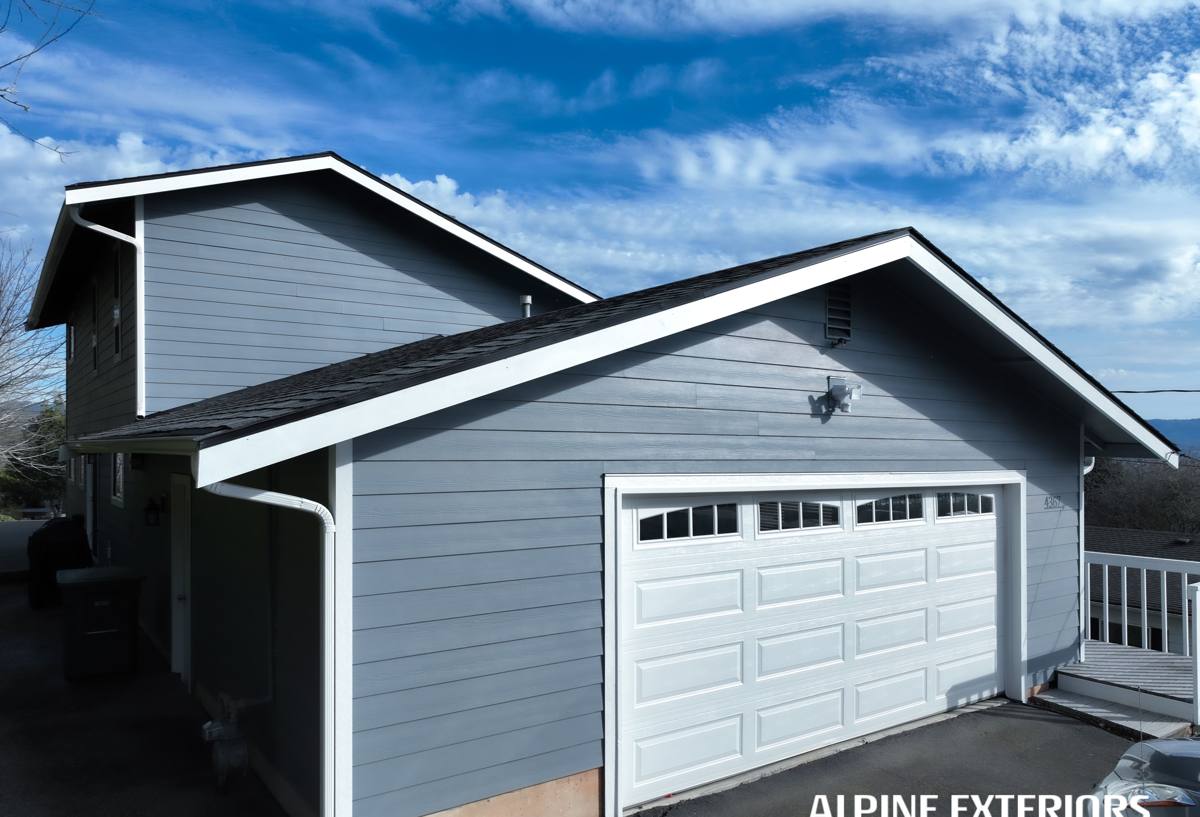
What Salt Air, Driving Rain, and Moss Actually Do to a Roof
Each of these three stressors attacks a roof differently, and understanding the mechanism matters because it changes how the roof should be built and maintained.
Salt Air
Airborne salt accelerates the corrosion of exposed metal — flashing fasteners, drip edge seams, vent stacks, and any exposed nail heads. On a roof close to the water, unprotected or poorly sealed metal components corrode faster than the shingles themselves age. This is why fastener and flashing material selection matters as much as the shingle brand.
Driving Rain
Wind-driven rain doesn't just fall on a roof, it gets pushed sideways and upward under shingle edges, around vent penetrations, and into any gap where flashing wasn't lapped correctly. A roof that would shed straight-down rain without issue can still leak under driving rain if the underlayment, flashing laps, and fastening pattern weren't installed to handle wind-driven moisture specifically.
Extended Moss Season
Whatcom County's damp, shaded, cool conditions for much of the year create ideal moss growth conditions on north-facing and tree-shaded slopes. Moss isn't just cosmetic — as it grows it holds moisture against the shingle surface, lifts shingle edges as root-like structures work into the granule layer, and can force water back up under the shingle course above it. Left unaddressed for a few seasons, moss growth shortens the effective life of an otherwise sound roof.
What a Correct Asphalt Shingle Installation Involves Here
A roof that's going to hold up under these conditions needs more attention paid to the details than a basic shingle swap. The shingles themselves are only one layer of a system that has to work together.
- Underlayment: A synthetic or self-adhered underlayment rated for wind-driven moisture, not just a basic felt layer, especially on exposed elevations.
- Ice and water barrier: Self-adhering membrane at eaves, valleys, and around penetrations — the areas most likely to take on driving rain or trapped moisture.
- Flashing: Corrosion-resistant metal (not bare or lightly coated steel) at all valleys, walls, chimneys, and vent penetrations, properly lapped shingle-fashion so water always sheds downhill over the joint.
- Fasteners: Corrosion-resistant nails set correctly — not overdriven, not underdriven — since a poorly set fastener is one of the most common causes of an early leak.
- Ventilation: Balanced intake and exhaust airflow through the attic, which controls both moisture buildup under the deck and the temperature swings that shorten shingle life.
- Shingle installation pattern: Correct nailing zone, proper offset between courses, and starter strip installed at eaves and rakes to seal the first course against wind lift.
Skipping or shortcutting any one of these doesn't usually cause an immediate problem — it shows up two, five, or ten years later as a leak, premature granule loss, or shingles that lift in the next windstorm. That's the pattern we're specifically building against on every Marietta roof we install.
Choosing Shingles and Materials for This Exposure
Not every asphalt shingle product performs the same way in salt air and heavy moss pressure. Some manufacturers offer algae-resistant granules (copper-infused) built into the shingle specifically to slow moss and algae colonization — a real advantage on shaded or north-facing roof planes common in this area. Wind rating also matters more here than in more sheltered inland neighborhoods; a shingle with a stronger sealant strip and higher wind warranty holds up better against driving rain events.
| Factor | Standard 3-Tab Shingle | Algae-Resistant Architectural Shingle |
|---|---|---|
| Typical wind rating | Lower | Higher |
| Moss/algae resistance | None built in | Copper-granule resistance included |
| Appearance | Flat, uniform | Dimensional, heavier shadow line |
| Typical service life in this climate | Shorter | Longer |
| Upfront cost | Lower | Moderate |
We don't push one brand over another as a matter of loyalty — the honest trade-off is that a basic 3-tab product costs less upfront but tends to need moss treatment and edge maintenance sooner, while an architectural shingle with algae-resistant granules costs more initially but generally holds its appearance and performance longer under Marietta's specific conditions. Which one makes sense depends on your budget, how long you plan to stay in the home, and how shaded your roof planes are.
Repair, Restoration, or Full Replacement: How We Tell the Difference
Not every roofing problem in Marietta calls for a full tear-off. Part of doing this job honestly is telling a homeowner when a repair or a moss/algae service will genuinely solve the issue versus when the underlying materials are past the point where patching makes sense.
Signs a Repair May Be Enough
- Isolated flashing leak with the surrounding shingle field still in good condition
- A small area of wind-lifted or damaged shingles after a storm
- Moss buildup on an otherwise structurally sound roof that hasn't caused shingle damage yet
- A single failed vent boot or pipe collar
Signs Replacement Is the Better Investment
- Widespread granule loss showing bare, shiny asphalt across multiple slopes
- Shingles that are curling, cracking, or brittle over most of the roof
- Repeated leaks in different locations rather than one isolated spot
- A roof that's already past or near the end of its expected service life and showing several of the issues above at once
We'll walk the roof, explain what we're seeing, and give a straight answer about which category your situation falls into — not the most expensive option by default.
Our Process From Estimate to Cleanup
The process is straightforward, and we keep it that way on purpose:
- On-site assessment: We walk the roof (or inspect from ladder/drone where walking isn't safe) and check the attic for ventilation, moisture staining, and deck condition.
- Written estimate: A clear scope covering materials, underlayment, flashing work, ventilation changes if needed, and cleanup — no vague line items.
- Material selection: We go over shingle and accessory options together, including the algae-resistant question above, based on your roof's exposure and budget.
- Tear-off and deck inspection: Old roofing removed down to the deck, with any soft or damaged sheathing identified and replaced before new materials go down.
- Installation: Underlayment, ice and water barrier, flashing, and shingles installed in the sequence and pattern that actually sheds Marietta's wind-driven rain.
- Final walkthrough and cleanup: Magnetic sweep for stray fasteners, debris removal, and a final review of the finished roof with you before we consider the job done.
Living With an Asphalt Shingle Roof Here: Maintenance That Actually Matters
A well-installed roof still needs periodic attention in this climate — the difference is that the maintenance is manageable if it's done on a regular schedule instead of reactively.
- Check and clear gutters and valleys of debris at least twice a year, since clogged valleys are where driving rain most often finds its way under shingles
- Have moss and algae growth treated before it spreads across a full slope, not after
- Trim back overhanging branches that keep roof sections shaded and damp longer than necessary
- After any significant windstorm, do a visual check (or have it checked) for lifted or missing shingles
- Keep an eye on flashing around chimneys, skylights, and vent stacks for early signs of corrosion or lifted caulking
- Confirm attic ventilation isn't blocked by insulation, which traps moisture against the underside of the deck
Simple Seasonal Inspection Checklist
- Gutters and downspouts clear and draining properly
- No visible moss buildup thicker than a light surface film
- No curling, cracking, or missing shingles visible from the ground
- Flashing around penetrations looks intact, not lifted or rusted
- No daylight or staining visible in the attic near the roof deck
- Vent stacks and boots show no cracking at the rubber collar
Cost Factors to Understand Before You Get an Estimate
Every roof is priced individually after an on-site look, but the main factors that move the number are consistent across Marietta homes:
| Factor | Why It Matters |
|---|---|
| Roof size and number of planes | More area and more valleys/hips mean more material and labor time |
| Roof pitch and accessibility | Steeper or harder-to-access roofs require more safety setup and time |
| Existing deck condition | Rotted or soft sheathing found during tear-off adds repair scope |
| Shingle grade chosen | Basic 3-tab versus algae-resistant architectural shingle changes material cost |
| Ventilation upgrades | Adding or correcting intake/exhaust venting adds labor but improves long-term performance |
| Layers of existing roofing | Multiple old layers requiring removal add disposal and labor time |
We'd rather walk your roof and give you real numbers than quote a range that doesn't mean much until we've actually seen the deck and the exposure.
Why a Crew That Already Works Marietta Matters
Roofing crews that mostly work drier, more sheltered parts of Whatcom County can still do competent work, but a crew that regularly roofs homes close to the water builds a different set of habits — checking flashing laps more carefully, defaulting to corrosion-resistant fasteners without being asked, and knowing which roof orientations in this specific area tend to hold moss longest. None of that is exotic knowledge, but it's the kind of detail that only comes from doing the work here repeatedly rather than reading a spec sheet once. For a Marietta homeowner, that local familiarity is part of what you're paying for when you hire a roofing crew — not just the shingles themselves.
If you're dealing with an aging roof, storm damage, moss buildup, or you're simply planning ahead for a replacement, we're glad to take a look and give you an honest, no-pressure estimate. There's no obligation — just a straight assessment of where your roof stands and what it would take to get it right for Marietta's weather. Use the form below to get started.