 Ferndale Siding
 Why Semiahmoo Homes Need a Different Approach to Windows
Homes in the Semiahmoo area sit close enough to open water that salt-laden air is a daily fact of life, not an occasional nuisance. Add Whatcom County's long wet season, near-constant driving rain off the Strait, and the shaded, moss-friendly conditions that come with mature evergreen cover, and you've got one of the tougher window environments in Washington. A window that performs fine in a dry inland subdivision can fail early out here if it wasn't chosen and installed with this specific climate in mind.
We install and replace windows throughout the Ferndale area, including the Semiahmoo neighborhood, and the pattern is consistent: most premature window failures we're called out to inspect trace back to the installation, not the glass itself. Good windows installed the wrong way still leak. That's the problem this page is really about.
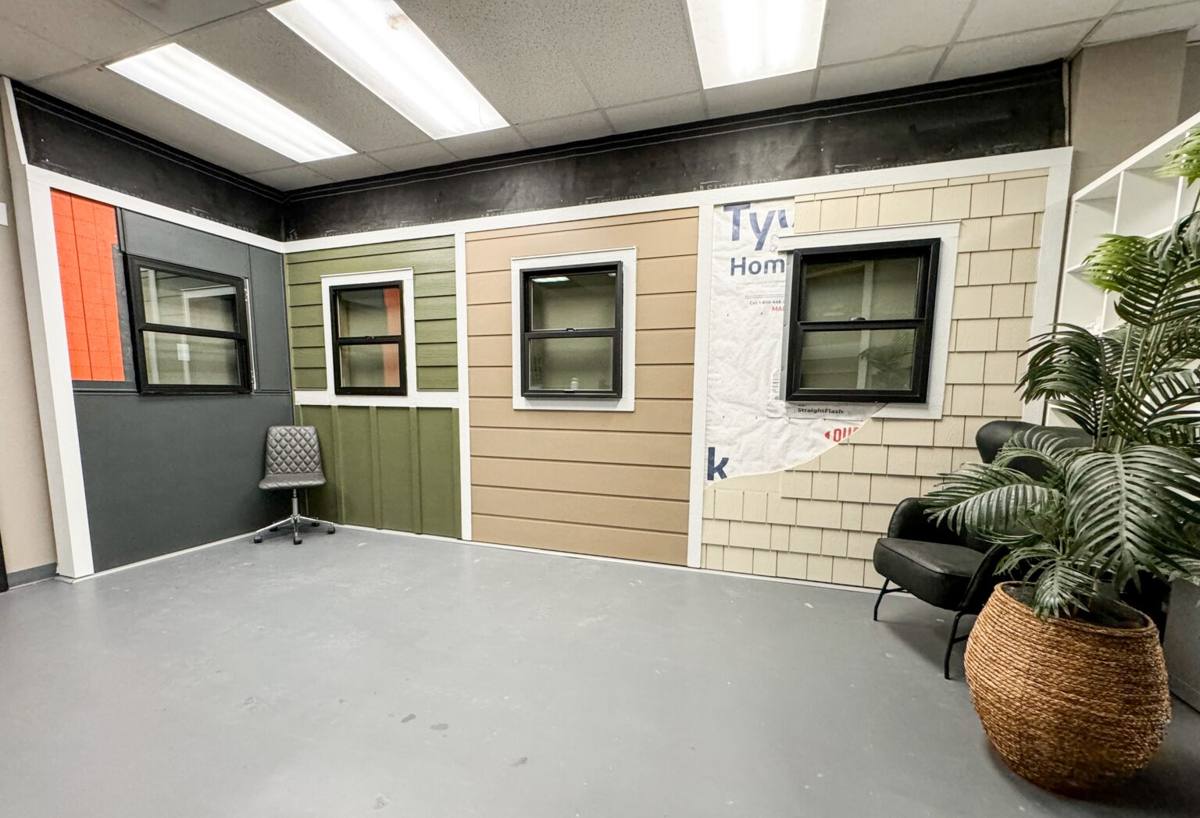
What Salt Air, Driving Rain, and Moss Season Actually Do to a Window
Salt Air
Airborne salt is corrosive to unprotected metal hardware, fasteners, and some lower-grade aluminum components. Over years, it can pit finishes, stiffen locking mechanisms, and accelerate the breakdown of cheaper weatherstripping and seals. It doesn't destroy a window overnight — it works slowly, which is exactly why it gets overlooked until hardware starts sticking or a frame starts chalking prematurely.
Driving Rain
Wind-driven rain doesn't just fall on a window, it gets pushed sideways and upward into any gap in the flashing, sill pan, or trim. On exposed elevations facing open water, this is the single biggest cause of hidden water intrusion around window openings — and it's almost always a flashing or sealant detail failure, not a defect in the window unit itself.
Moss and Sustained Moisture
Long stretches of shade and damp air let moss, algae, and mildew take hold on sills, trim, and any horizontal surface that doesn't dry out quickly. Beyond the cosmetic issue, sustained organic growth holds moisture against wood trim and caulk lines, which shortens the life of both.
Signs Your Current Windows Are Losing the Fight
- Hardware (locks, cranks, hinges) feels stiff, gritty, or requires more force than it used to
- Visible pitting, chalking, or corrosion on aluminum or lower-grade metal components
- Soft or discolored trim, sill, or drywall near the window — a sign of water getting behind the frame
- Persistent condensation between panes (a failed seal on a double- or triple-pane unit)
- Moss or dark streaking building up on sills and horizontal trim faster than it can be cleaned off
- Noticeable draft or a whistling sound during wind events
- Difficulty opening, closing, or locking a window that used to operate smoothly
Any one of these on its own isn't an emergency. Several of them together, especially on a wall facing open water or prevailing wind, usually mean the window or its installation has reached the end of its useful service life.
What a Correct Custom Window Installation Involves
"Custom" windows means the units are built to the exact rough opening of your home rather than pulled from a standard size chart — important in older Semiahmoo-area homes where openings have settled or shifted slightly over the decades. But the sizing is the easy part. What actually determines whether the installation holds up to this climate is what happens at the opening before the new window ever goes in.
The details that matter most in a marine climate
- Sill pan flashing that directs any water reaching the opening back outside instead of into the wall cavity
- Proper window flashing sequence (sill, jambs, then head) so each layer sheds water onto the layer below it, shingle-style
- Compatible sealants and tapes rated for sustained moisture and temperature swings, not general-purpose caulk that hardens and cracks within a couple of seasons
- Corrosion-resistant fasteners and hardware appropriate for salt-air exposure
- Correct shimming and leveling so the sash operates smoothly for years, not just on install day
- Interior and exterior air sealing that stops both moisture and drafts without trapping water inside the wall assembly
Skip any one of these and the window itself becomes almost irrelevant — water will find the gap.
Choosing a Frame Material for This Climate
There's no single "best" frame material for every home — it depends on exposure, budget, and how the window is maintained. Here's how the common options generally hold up under salt air and sustained wet weather:
| Frame Material | Salt Air / Coastal Performance | Maintenance | Typical Cost Position |
|---|---|---|---|
| Vinyl | Won't corrode or rust; performs well in salt air | Low — occasional cleaning | Lower |
| Fiberglass | Very stable, resists corrosion and expansion/contraction from moisture cycling | Low | Higher |
| Wood-clad | Good if cladding is intact; exposed wood is vulnerable to sustained moisture | Moderate to high — trim and paint need attention | Higher |
| Aluminum (uncoated or budget-grade) | Prone to pitting and corrosion over time near salt air | Moderate | Lower to moderate |
We don't install budget-grade aluminum on homes with direct salt exposure as a matter of professional standard — not because it's incapable of working anywhere, but because the corrosion risk in this specific environment outweighs the upfront savings for most homeowners. We'll walk through what fits your home, your exposure, and your budget honestly rather than pushing one product line.
Glass and Performance Considerations Worth Understanding
For homes facing open water or prevailing wind, a few performance factors matter more than they would inland:
- Low-E coatings help manage heat loss through our long, overcast winters
- Argon or krypton gas fill between panes improves insulation value, which matters when driving rain and wind are constantly testing the seal
- Impact and pressure ratings are worth checking on elevations that take the brunt of storm winds off the water
- Warm-edge spacers reduce condensation risk at the glass edge, which is where seal failures often start
None of this needs to be complicated for the homeowner — it's our job to translate it into a straightforward recommendation for your specific exposure, not to hand you a spec sheet and walk away.
Our Process for Semiahmoo-Area Window Projects
1. On-Site Assessment
We look at each opening individually — exposure direction, existing flashing condition, signs of past water intrusion, and how the wall assembly behind the window is built. This is also when we identify any rot or damage that needs to be addressed before a new window goes in, rather than covered up behind it.
2. Custom Measurement and Ordering
Every opening gets measured on-site so the replacement window fits correctly rather than being forced or shimmed excessively to compensate for a standard size.
3. Removal and Opening Prep
Old flashing, damaged trim, and any compromised sheathing get addressed at this stage — this is the point where hidden problems, if any, get fixed instead of sealed in.
4. Flashing, Installation, and Sealing
Sill pan, jamb flashing, head flashing, and window installation happen in the correct sequence, followed by climate-appropriate air sealing inside and weatherproof sealing outside.
5. Final Check and Walkthrough
We test operation, check the seal, and walk you through anything specific to your new windows before we consider the job done.
Maintaining Your Windows in a Coastal Climate
Even a well-installed, well-chosen window benefits from a bit of routine attention out here. A simple seasonal habit goes a long way:
- Rinse salt residue off exterior frames and hardware a few times a year, especially after storms
- Keep sills and trim clear of moss, needles, and debris so they can dry between rain events
- Lubricate locks and cranks periodically to keep salt air from stiffening the mechanism
- Check exterior caulking annually for cracking or gaps, particularly on wind-exposed elevations
- Watch for condensation between panes — an early sign of seal failure worth addressing before it worsens
- Trim back vegetation that keeps a window in constant shade and dampness
Why Local Experience in Semiahmoo Matters
A crew that works this specific stretch of Whatcom County knows which elevations typically take the worst of the wind-driven rain, how quickly moss builds up on north-facing trim here, and which flashing details actually hold up season after season in a marine environment. That's not something you get from a general contractor passing through — it comes from doing this work repeatedly in these exact conditions. We treat every Semiahmoo-area project as a coastal installation from the start, not a standard install with an extra bead of caulk added at the end.
If your windows are showing wear, letting in drafts, or you're planning ahead for a remodel, we're happy to take a look and give you a straightforward, no-pressure assessment. Reach out using the form below to schedule a free estimate for your Semiahmoo-area home.