 Ferndale Siding
 Building New in Sudden Valley? Get the Windows Right the First Time
New-construction window installation is one of those jobs where the difference between "done" and "done right" doesn't show up for a few years — and by then it's a much bigger repair. If you're building or doing a full frame-out addition near Sudden Valley, this is your one shot to get the window openings, flashing, and rough-in sequencing correct before the siding closes everything up. Once the exterior skin goes on, mistakes in the window install are hidden behind trim and paint until they show up as staining, soft framing, or drafts.
We install new-construction windows on homes throughout Whatcom County, and the fundamentals don't change from job to job — but the details we pay closest attention to are shaped by what this specific climate does to a house year over year.
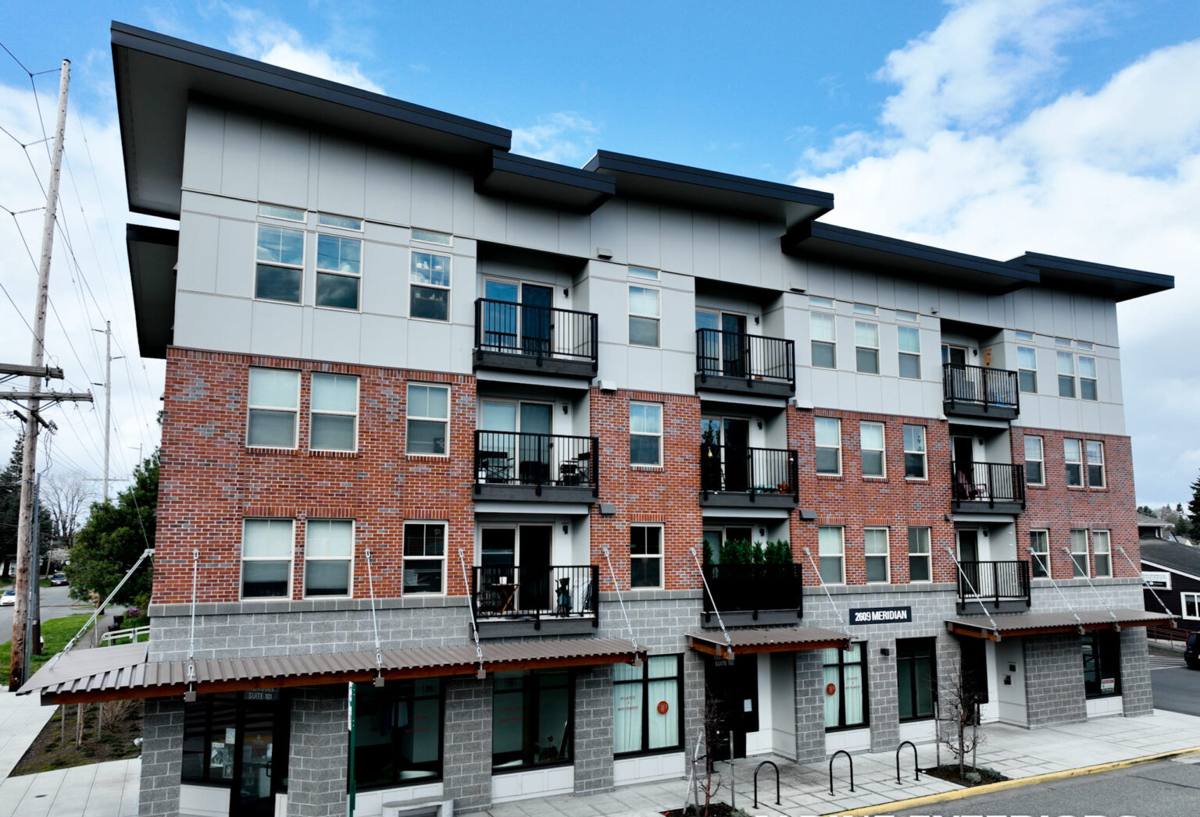
What the Local Climate Actually Does to Windows
Whatcom County sits close enough to the water that salt-laden air is a real factor on fasteners, flashing, and exposed hardware, even on homes that aren't right on the shoreline. Combine that with long stretches of driving, wind-blown rain and the extended damp, mossy season that runs from fall through spring, and you've got an environment that's genuinely tough on window openings if they're not detailed correctly.
Three things matter most here:
- Wind-driven rain resistance — rain in this area rarely falls straight down, which means water gets pushed sideways into any gap in the flashing or sealant line.
- Corrosion resistance — salt air accelerates corrosion on lower-grade fasteners, cladding, and hardware over time.
- Moisture management, not just moisture blocking — no window opening is 100% waterproof forever. The framing and flashing need a path for incidental moisture to drain back out, not just a barrier to keep it out.
New-construction installs give us the advantage of building that moisture path in from the studs out, rather than working around an existing wall assembly. That's the whole case for doing it right at this stage.
New-Construction vs. Replacement Windows — Why the Method Matters
These are genuinely different installation methods, not just a paperwork distinction, and it matters for a build like yours.
| Factor | New-Construction Install | Replacement/Retrofit Install |
|---|---|---|
| Nailing fin | Attached to sheathing, fully integrated with the water-resistive barrier and flashing | Usually not used; window fits inside the existing frame |
| Flashing access | Full access to the rough opening before siding goes on | Limited to what can be done around existing trim and cladding |
| Best suited for | New builds, additions, full wall reframes | Existing homes keeping their current siding and trim |
| Long-term water performance | Highest, when flashed correctly, since the assembly is built as one system | Good, but limited by what the original opening allows |
Because you're building new, you get access to the best method available — but only if the flashing and sequencing are done in the correct order. A new-construction window installed with retrofit-level attention to detail gives up most of that advantage.
Why We Don't Cut Corners on Sequencing
The order of operations on a new-construction window opening is not flexible: weather-resistive barrier first, sill pan flashing, window unit, jamb and head flashing, then the water-resistive barrier laps back over the top flashing. Skip a step or do it out of order and you've built a funnel for water instead of a drain path — and it won't show up as a problem until the wall's already closed in.
Materials and Glass: What We Recommend for This Climate
For homes in this region, we lean toward vinyl or fiberglass frames with corrosion-resistant hardware and fasteners, paired with dual-pane, low-E glass as a baseline. The reasoning is straightforward, not brand loyalty:
- Frame material — vinyl and fiberglass both handle sustained moisture exposure and temperature swings without the maintenance burden that wood-clad frames carry in a wet climate. Wood-clad units can look great, but they demand a level of ongoing sealant and paint maintenance that most owners underestimate, especially with this area's moss and mildew pressure.
- Glass package — low-E dual-pane glass is the practical standard here; it manages heat loss through the long wet season without the cost premium of triple-pane, which is usually better justified in colder inland climates than in our marine-influenced weather.
- Hardware and fasteners — stainless or coated fasteners rated for coastal exposure cost a little more up front and save you corroded, seized hardware a few years down the line.
We'll walk through specific product lines and warranty terms once we know your budget and the look you're going for — this section is about the categories that matter, not a sales pitch for one brand.
Our Installation Process
1. Rough Opening Verification
Before a single window arrives on site, we verify every rough opening against the actual window schedule — size, square, and plumb. Framing tolerances that seem minor on paper cause real problems once a window is set.
2. Sill Pan and Flashing Prep
Every opening gets a sloped sill pan flashing detail so any water that does get past the window drains back out and away from the framing, not down into it.
3. Window Setting
Units are set plumb, level, and square, shimmed at manufacturer-specified points, and fastened per the manufacturer's installation instructions — this matters for warranty coverage as much as performance.
4. Flashing Integration
Jamb and head flashing tie back into the water-resistive barrier in the correct shingle-lap order, so the whole wall assembly sheds water downward and outward, the way it's designed to.
5. Sealant and Final Check
Exterior sealant is applied at the manufacturer-specified joints only — not as a substitute for proper flashing, which is a shortcut that fails quietly over time. We do a final water-management check before we sign off.
Cost Factors for a New-Construction Window Package
Pricing on a build like this depends on more than just window count. The factors that move the number most are:
| Factor | How It Affects Cost |
|---|---|
| Number and size of openings | More and larger openings mean more units, flashing, and labor hours |
| Frame material | Vinyl is typically the most economical; fiberglass and wood-clad cost more |
| Glass package | Upgraded low-E coatings or specialty glass (tempered, obscure) add cost per unit |
| Elevation exposure | Openings on the weather-facing side of the home may warrant extra flashing detail |
| Access and staging | Multi-story or hard-to-access openings add labor time |
We give straightforward, itemized estimates so you can see exactly what's driving the number — no vague lump-sum pricing.
Why Hiring a Crew That Already Works in Sudden Valley Matters
A window installed correctly in Arizona isn't automatically installed correctly here. Crews who mostly work drier climates sometimes treat sealant as the primary water barrier instead of the backup it's meant to be — a habit that catches up with a house once the rainy season sets in for months at a stretch. Working regularly in Whatcom County means we're flashing to the standard this climate actually requires, not a generalized national spec.
It also means we know how local building department inspections tend to go, what documentation gets asked for, and how to sequence the window install so it doesn't hold up your framing or siding schedule. On a new build, coordination between trades is often what separates a smooth project from a frustrating one.
A Simple Pre-Install Checklist for Homeowners and Builders
If you're coordinating a build and want to sanity-check your window package before installation day, run through this:
- Confirm rough opening sizes match the finalized window schedule, not the original architectural plans
- Verify frame material and glass package in writing, including U-factor and any coastal/corrosion-rated hardware upgrades
- Ask what sill pan flashing method will be used and confirm it's included in the bid, not treated as an add-on
- Check that fastener and flashing materials are rated for coastal/marine exposure, not just a general-purpose spec
- Get manufacturer warranty terms in writing, including what voids coverage on the installation side
- Confirm scheduling around your framing and water-resistive barrier install so there's no gap where openings sit exposed
A little diligence at this stage costs you nothing and prevents the kind of callback that's expensive to fix once siding and interior trim are in place.
Let's Talk About Your Build
Every new-construction project has its own window schedule, elevation exposures, and timeline, so there's no substitute for walking through your specific plans. If you're building near Sudden Valley or elsewhere in the Ferndale area, we're happy to look at your window schedule, talk through material options, and give you a clear, itemized estimate — no pressure, no obligation. Use the form below to get started.