 Ferndale Siding
 Windows Built for Sudden Valley's Weather
Sudden Valley sits close enough to the water and the tree line that its homes take a different kind of weather beating than houses further inland. Between salt-laden air moving in off the Sound, driving rain that comes in sideways during winter storms, and a moss season that seems to stretch longer every year, windows here work harder than the manufacturer's spec sheet assumes. Frames corrode faster, seals fail sooner, and sills that aren't detailed correctly stay damp for weeks at a stretch. If you're planning a window replacement project in this part of Whatcom County, the climate should shape almost every decision you make — frame material, glazing, flashing detail, and even the time of year you schedule the install.
This page covers what we've learned installing and servicing windows in this specific area: what tends to fail first, what a correct installation actually involves, and how we run the job from estimate to final walkthrough.
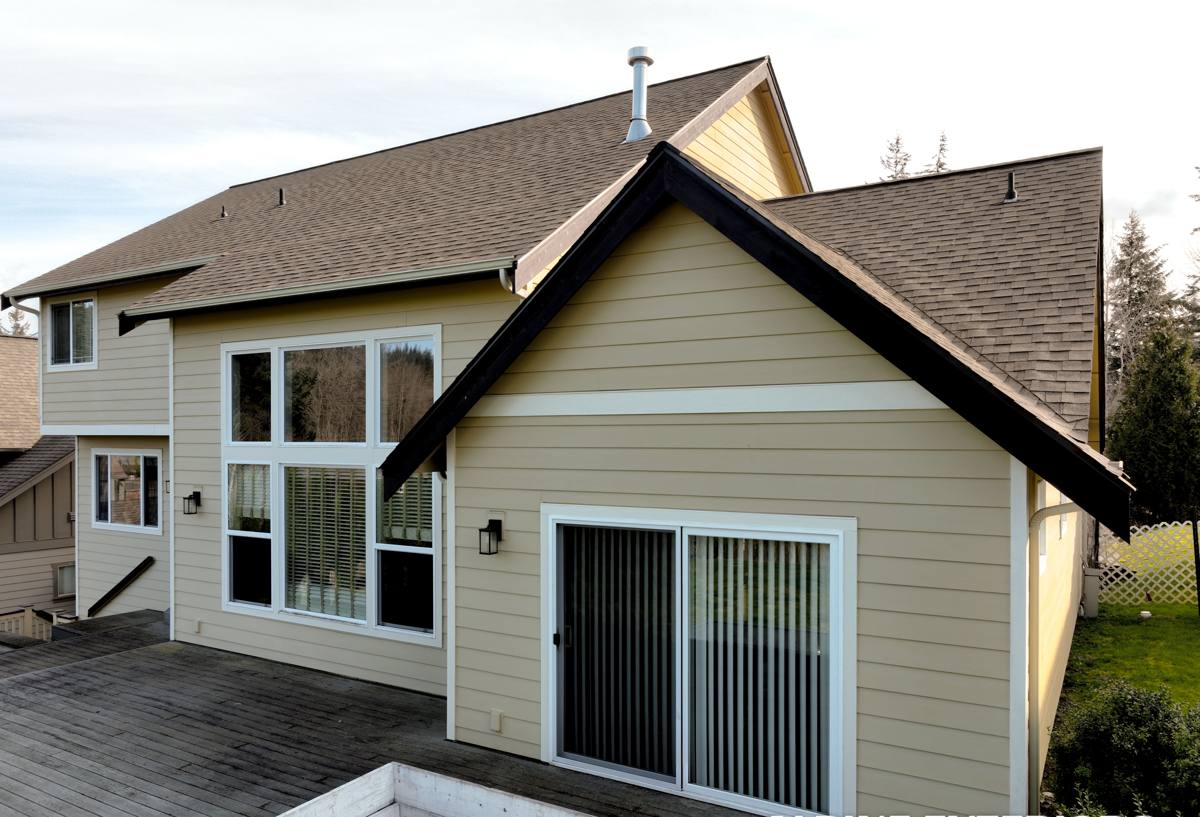
What Sudden Valley's Climate Does to Windows
Salt Air and Corrosion
Homes closer to open water deal with airborne salt that settles on metal components — hinges, cranks, weep hole covers, and especially aluminum frames or cladding that isn't rated for coastal exposure. Over years, that salt exposure pits finishes and corrodes hardware, which is why operable windows in this area often get stiff or stop latching properly well before the glass itself shows any wear. It's a slow process, so most homeowners don't notice it until a window won't close all the way anymore.
Driving Rain and Wind-Driven Water
Storms coming off the water don't just drop rain straight down — they push it sideways into the building envelope. That means the flashing and sealant details around a window matter more here than they would in a drier, calmer climate. A window that's watertight in a light rain can still leak during a wind-driven storm if the flashing wasn't lapped correctly or the sill pan wasn't sloped to shed water outward instead of pooling it against the frame.
Moss and Prolonged Moisture
Whatcom County's long wet season keeps north-facing and shaded walls damp for extended stretches, which is exactly the environment moss and mildew need to take hold. Around windows, that shows up as green or black staining on sills, trim, and the caulk lines at the frame perimeter. It's mostly cosmetic in the early stages, but sustained moisture sitting against wood trim or an aging seal is also what eventually leads to soft wood, failed glazing seals, and fogged double-pane glass.
Signs a Sudden Valley Home Needs Window Replacement
- Fogging or a hazy film between the panes of double-pane glass — the seal has failed and the gas fill (if any) is gone
- Windows that are difficult to open, close, or lock, especially on the sides of the house exposed to prevailing wind and salt air
- Visible gaps, cracked caulk, or daylight around the frame where it meets the siding or trim
- Soft or discolored wood at the sill or lower frame corners — a sign moisture has been sitting there
- A noticeable draft near the window even when it's fully latched
- Persistent moss, mildew, or dark staining on the sill or exterior trim that keeps coming back after cleaning
- Rooms that are harder to heat in winter or noticeably warmer in summer than the rest of the house
- Condensation forming on the inside of the glass regularly, especially in colder months
Any one of these on its own might just need a repair. Several showing up together, especially on the same wall, usually means the window and its surrounding flashing have reached the end of their service life.
What a Correct Installation Involves
Window replacement quality is decided almost entirely by what happens before and around the glass — not the window unit itself. A premium window installed with a poor flashing detail will leak; a mid-range window installed correctly will outperform it for years. In an area dealing with wind-driven rain and salt exposure, we treat the following steps as non-negotiable:
Removal and Inspection
Once the old window is out, we inspect the framing, sheathing, and sill for water damage or rot before anything new goes in. This is often the point where a homeowner learns whether the issue was just the window itself or if moisture had already worked its way into the wall assembly. Any damaged framing gets addressed before the new window is set — installing a new window over compromised framing just hides the problem for a few more years.
Sill Pan and Flashing
A sloped sill pan directs any water that gets past the window outward instead of letting it sit against the frame or wick into the wall. Flashing tape is layered in the correct shingle-style order — bottom, sides, then top — so water is always directed down and out, never trapped behind a layer above it. This detail matters more here than in drier climates because wind-driven rain tests it far more often.
Air Sealing and Insulation
The gap between the window frame and the rough opening gets sealed with a proper backer rod and sealant or low-expansion foam — not just caulk smeared around the trim. Done right, this cuts drafts and keeps conditioned air from leaking out around the frame, which matters for both comfort and heating costs through a long, damp winter.
Exterior Trim and Sealant
The exterior caulk joint is the first line of defense against wind-driven rain and the first thing salt air and UV break down over time. We use sealants rated for the exposure and finish the joint so it sheds water rather than holding it against the trim.
Choosing the Right Frame Material for This Area
Frame material has a bigger impact on long-term performance here than in a mild, dry climate. Here's how the common options hold up against salt air, sustained moisture, and driving rain specifically:
| Frame Material | Salt Air Resistance | Moisture Behavior | Maintenance |
|---|---|---|---|
| Vinyl | Good — won't corrode | Won't rot; seams need periodic sealant checks | Low |
| Fiberglass | Very good — stable, low expansion | Excellent — dimensionally stable in wet/dry cycles | Low |
| Aluminum (uncoated/standard) | Poor — prone to pitting and corrosion near water | Conducts cold and can sweat/condensate | Higher |
| Wood (unclad) | Fair — needs a protective finish | Vulnerable to rot without diligent upkeep | High |
| Wood-clad (vinyl or aluminum exterior) | Good on the exterior face | Interior wood still needs protection from condensation | Moderate |
For most Sudden Valley homes, we steer people toward vinyl or fiberglass for the exterior-facing performance — they don't corrode, and they handle the wet-to-dry cycling of a Pacific Northwest winter without the maintenance burden that wood or bare aluminum carries near the water. That's a maintenance and durability recommendation based on how these materials behave in this climate, not a claim that other materials can't work with diligent upkeep.
Glass and Glazing Considerations
Beyond the frame, the glass package affects comfort and condensation control, both relevant in a climate with long stretches of cold, damp weather:
- Double-pane with Low-E coating is the practical standard for this area — it cuts heat loss and helps reduce interior condensation on cold mornings
- Argon gas fill adds a modest insulation boost over standard double-pane and is common at this performance tier
- Warm-edge spacers reduce the cold spot at the glass edge, which is often where condensation forms first
- Tempered glass is required by code in certain locations (near doors, low to the floor, in bathrooms) — we'll flag where that applies during the estimate
Our Process for Sudden Valley Window Replacement
- On-site assessment: We look at each window's exposure, current condition, and any signs of moisture intrusion before recommending anything.
- Written estimate: A clear scope covering frame material, glass package, flashing approach, and timeline — no surprise add-ons once work starts.
- Scheduling around the weather: We plan installs to minimize how long an opening is exposed, and we don't start exterior work in conditions that would compromise the flashing or sealant.
- Removal and structural check: Old units come out carefully, and we inspect the framing before setting anything new.
- Installation to the detail level above: Sill pan, flashing sequence, air sealing, and exterior finish work, done in order, every time.
- Final walkthrough: We test operation, check the seal from inside and out, and make sure the job matches what was on the estimate.
Why Local Experience Matters for This Job
Window replacement isn't a one-size-fits-all trade. A crew that mostly works drier inland areas may not think twice about flashing sequence or frame material, because in their climate a mediocre detail rarely gets tested hard enough to fail visibly. In Sudden Valley, it gets tested every winter. Working regularly in Ferndale and the surrounding Whatcom County communities means we've seen how different frame materials, sealant choices, and flashing shortcuts actually hold up against this specific mix of salt air, wind-driven rain, and a moss season that doesn't let up. That experience shows up in the small decisions — how a sill pan is sloped, which sealant gets used on a north-facing wall, when to push a scheduled install back a few days for weather — that determine whether a window replacement lasts one winter or twenty.
Get a Free, No-Pressure Estimate
If your windows in Sudden Valley are fogging, sticking, drafting, or just showing their age, we're happy to take a look and give you a straight answer about what's going on and what it would take to fix it — no pressure, no obligation. Use the form below to request a free estimate.